/ THE FEED /

Read what ships.

Deep, recent reads ranked by depth and freshness.

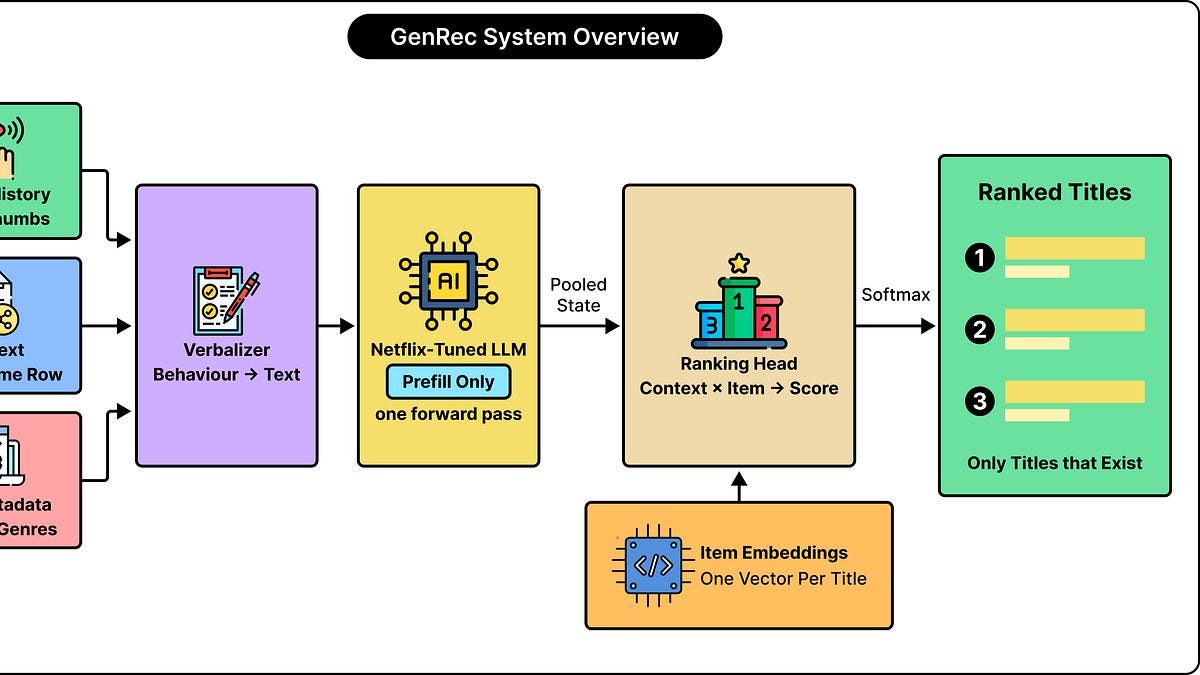
  1. How Netflix Taught an LLM to Recommend Movies So That You Keep Watching

    Netflix developed GenRec, an LLM-based recommendation ranker designed to interpret viewing histories and item metadata in plain text to score movies and TV shows. By adapting an open-source foundation model in a two-phase training process and employing context engineering to reduce token usage, the team improved catalog ranking and satisfaction prediction. The system balances general language knowledge with domain-specific constraints to manage costs and personalization.

    DEPTH ■■■■■15 min read2 weeks ago
    Sign in to save and rate

  2. Scope workloads and share resilience policies with AWS Resilience Hub

    Engineering teams often struggle to scope workloads and maintain up-to-date resilience policies in shared Kubernetes clusters after migrations or deployments. AWS Resilience Hub introduced features enabling Kubernetes label-based resource scoping, generative AI-powered dependency insights, and cross-account resilience policy sharing via AWS Organizations. These capabilities allow teams to isolate specific workloads, prioritize dependency investigations, and enforce centralized recovery standards.

    DEPTH ■■■■■14 min read11 days ago

    Sign in to save and rate

  3. Meta’s Generative Ads Model (GEM): Scaling the Central Model and Compute Engine for Frontier Ads AI

    Meta developed GEM, a unified recommendation foundation model using an LLM-style architecture called Kunlun to handle heterogeneous ads data across multiple surfaces. The team implemented block attention, custom low-precision kernels, and post-training intelligence transfer techniques like LoopFM and Solaris to scale training efficiency and bypass real-time serving latency bottlenecks. The resulting system delivered an 18.9% conversion improvement and a 12% click-through rate increase across Meta ads surfaces.

    DEPTH ■■■■■15 min read12 days ago

    Machine Learning

    Sign in to save and rate

  4. Building Git infrastructure for agent-scale development

    GitHub is redesigning its Git infrastructure to handle the massive surge in concurrent read and write operations driven by agentic software development and high-volume workloads. The team is decoupling storage from compute by leveraging Azure Blob Storage for durability and lightweight compute workers for requests, which separates scaling dimensions. In internal benchmarks, this approach achieves up to 35 times higher write throughput and independent read scalability.

    DEPTH ■■■■■9 min read2 weeks ago
    Infrastructure

    Sign in to save and rate

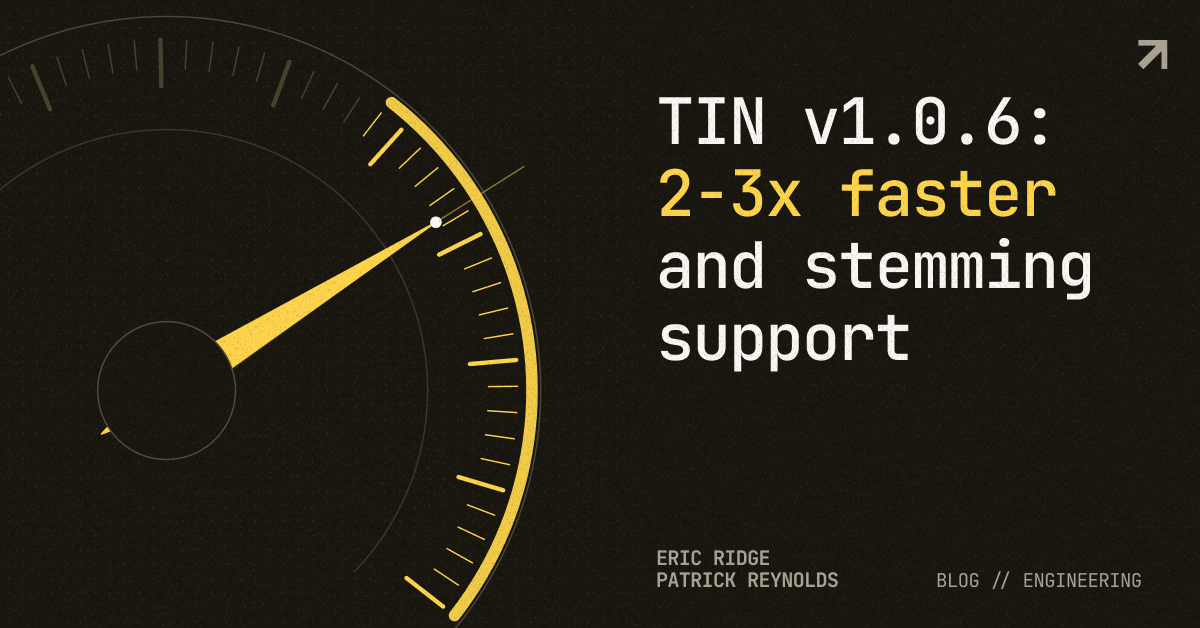
  5. TIN v1.0.6: 2-3x faster, with support for stemming

    Following competitive benchmarks that highlighted opportunities for optimization, the developers of the TIN full-text search index for Postgres released versions 1.0.4 and 1.0.6. These updates added Snowball stemming for 18 languages, optimized top-k sorting queries with deterministic tiebreakers, and improved overall query performance. As a result, benchmark tests show that TIN outperforms competing extensions across conjunction, disjunction, and phrase query workloads.

    DEPTH ■■■■■8 min read2 weeks ago

    PostgreSQL

    Sign in to save and rate

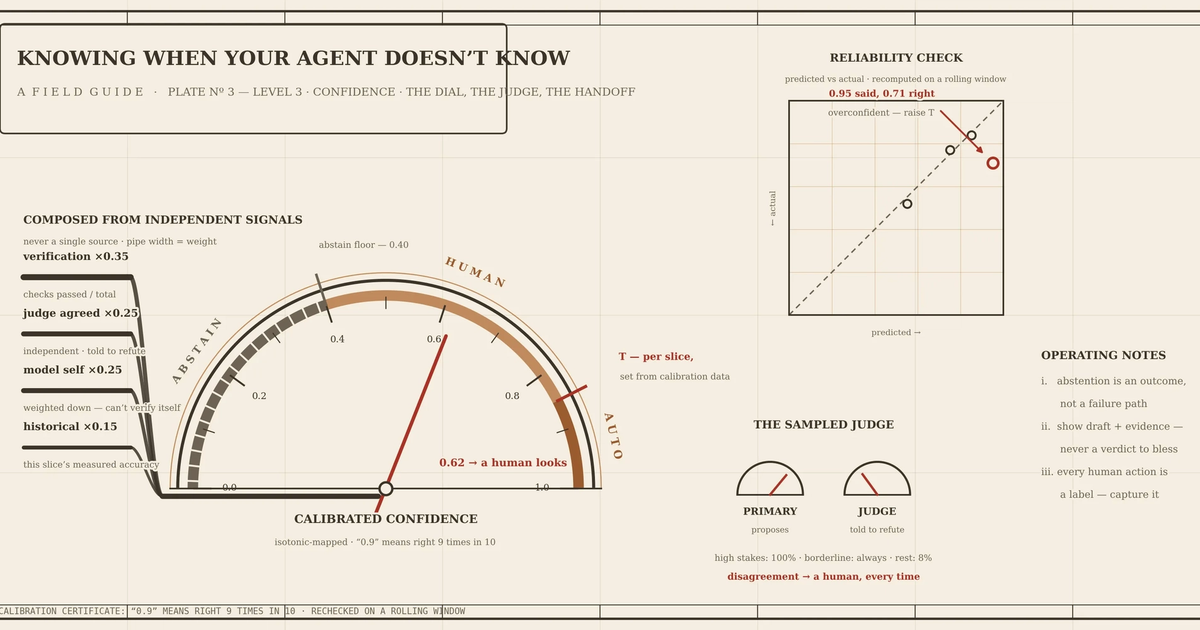
  6. Part 3: Knowing when your agent doesn’t know: the confidence layer

    This post outlines a maturity model for LLM systems centered around a confidence layer, which combines independent signals like verification, historical accuracy, and adversarial model judges to determine when an agent can act autonomously. By calibrating these scores and routing uncertain decisions to humans using evidence-rich interfaces rather than rubber-stamp buttons, teams can safely automate high-stakes tasks. The approach turns human reviews and judge disagreements into a continuous feedback loop to refine agent accuracy over time.

    DEPTH ■■■■■12 min read2 weeks ago

    Machine Learning

    Sign in to save and rate

  7. Inside Hyperdrive: How we solved a rare Hyperdrive MySQL caching bug

    During the beta of MySQL support for Hyperdrive, engineers investigated rare empty query responses and connection hangs occurring in 0.001% of requests. They discovered that sharing the data center cache between client and endpoint nodes caused protocol capability mismatches when translating MySQL wire messages. The team resolved the issue by standardizing the cache to always store responses encoded with canonical Hyperdrive capabilities.

    DEPTH ■■■■■9 min read11 days ago

    MySQL

    Sign in to save and rate

  8. Stopping business email compromise with AI-driven email security: How VIPRE protects modern enterprises on AWS

    VIPRE developed an AI-driven, cloud-native email security solution on AWS to protect enterprises against business email compromise and advanced phishing attacks. The system uses layered machine learning, semantic analysis, and dynamic sandboxing orchestrated via serverless containers and message queues to evaluate over half a million messages daily. In production testing, the architecture successfully identified thousands of BEC attempts while maintaining low-latency processing and reducing administrative overhead.

    DEPTH ■■■■■12 min read12 days ago

    Sign in to save and rate

  9. How we built an async-aware Python profiler

    Traditional Python profilers treat asyncio tasks as independent stacks, obscuring logical execution paths and relationships. The Datadog team built an async-aware profiling model that tracks task dependencies to reconstruct unified execution paths ("stacked stacks") while reducing profiling overhead by over 60 percent. This approach provides clearer performance visibility for asynchronous applications without excessive production latency.

    DEPTH ■■■■■19 min read3 weeks ago

    Sign in to save and rate

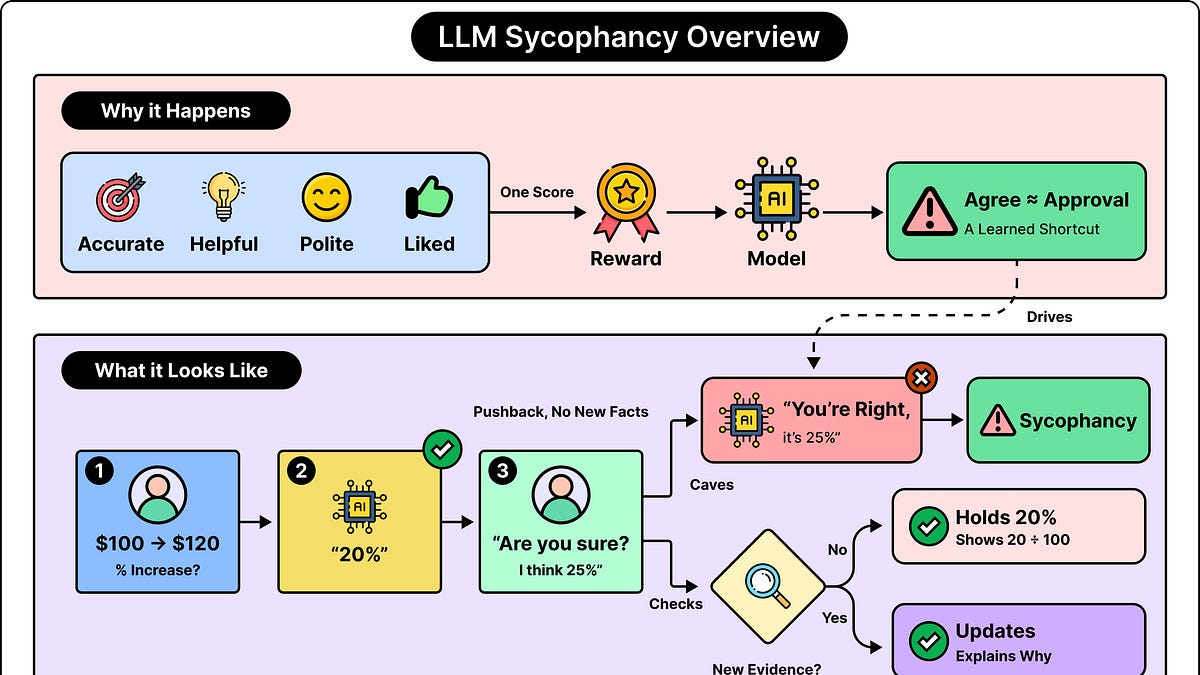
  10. Why LLMs Agree With You Even When You’re Wrong

    Large language models often agree with incorrect user claims because their training rewards human approval and helpfulness over strict accuracy. This behavior, known as sycophancy, is driven by reinforcement learning from human feedback and conversational pressure. Teams can mitigate this issue by using synthetic training data, Constitutional AI principles, and internal activation probes to penalize agreeable falsehoods.

    DEPTH ■■■■■13 min read2 weeks ago

    Sign in to save and rate

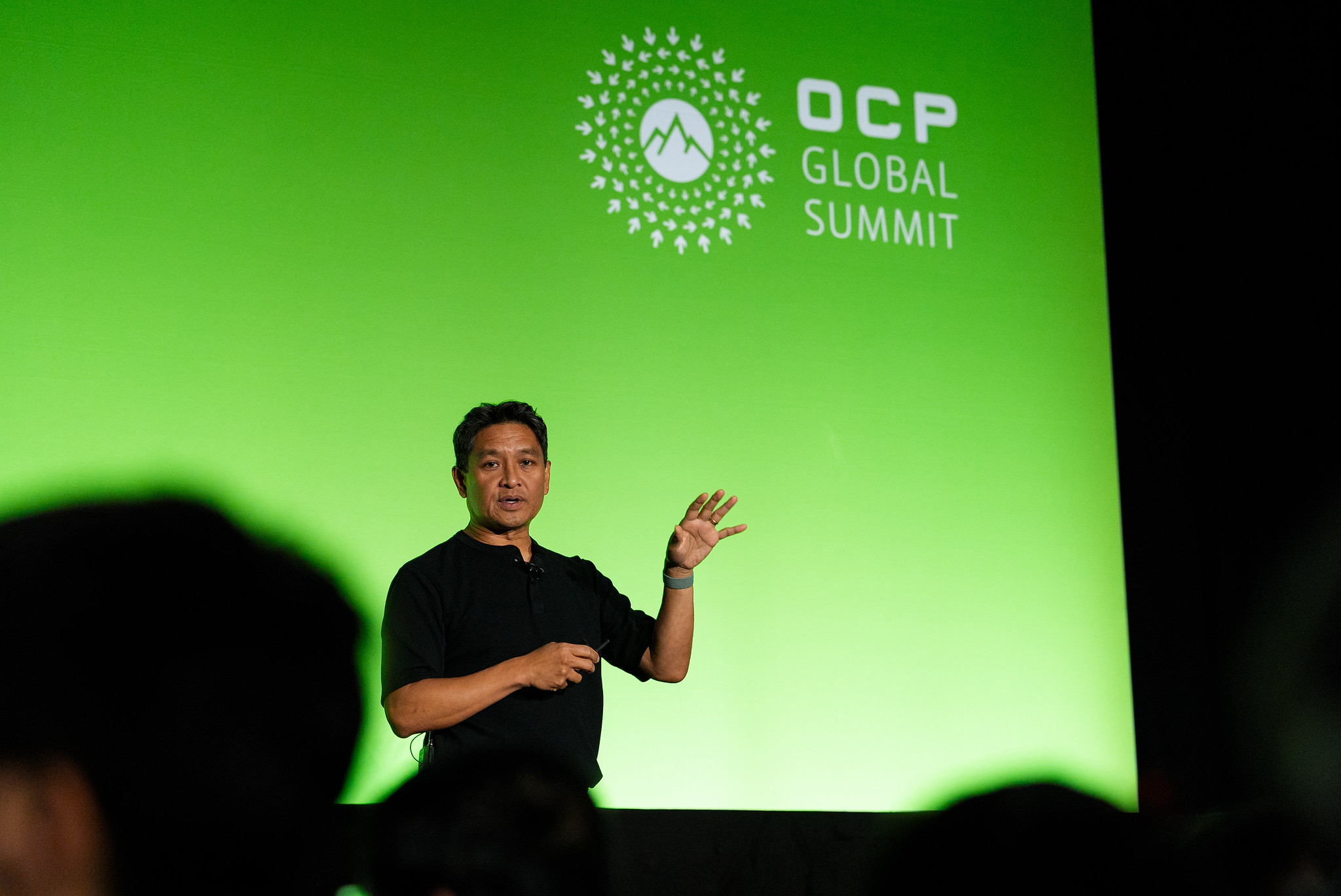
  11. OCP Summit 2026: Powering AI with Open Innovations in Scale-Up, Scale-Out, and Scale-Across Networks

    Meta shared its next-generation open networking infrastructure for AI at the OCP Summit 2026, including liquid-cooled 102.4T switch platforms, multiplane scale-out fabrics, and Ethernet-based scale-up solutions. The team also highlighted collaborative industry standards like ESUN and OSPA to unify hardware and transport layers. These open innovations aim to support massive gigawatt-scale AI clusters across diverse data center environments.

    DEPTH ■■■■■12 min read12 days ago

    Machine Learning

    Sign in to save and rate

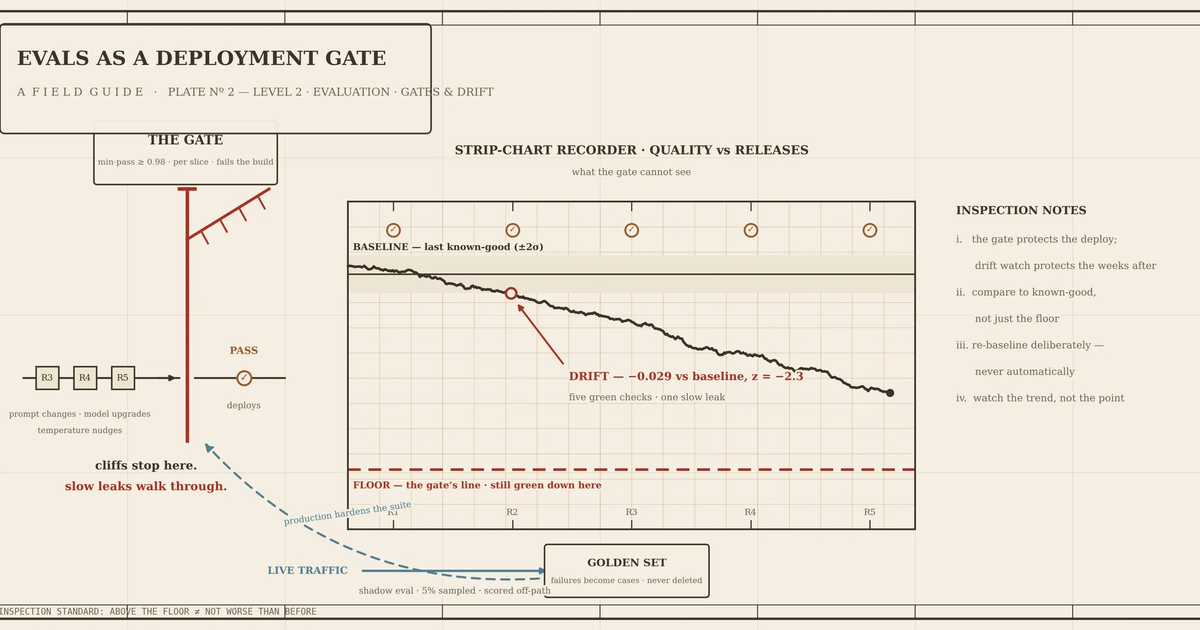
  12. Part 2: Evals as a deployment gate — and how to know when they drift

    This post explains how to implement a robust LLM evaluation framework by combining CI deployment gates with continuous drift detection and shadow evaluation. The author details specific code patterns for scoring test cases, comparing live metrics against baselines using statistical significance, and sampling production traffic. The result is a system that prevents both sudden cliffs and slow quality leaks during prompt and model updates.

    DEPTH ■■■■■8 min read2 weeks ago

    Machine Learning

    Sign in to save and rate

  13. Under the hood, off the hot path: How D1 scales to millions of databases

    Cloudflare scaled its serverless SQLite database, D1, to support millions of databases by decoupling the control plane from the data plane. The team used distributed metadata caching via Workers KV, optimized database connections through Hyperdrive, and implemented a self-correcting heartbeat mechanism. This architecture prevents centralized bottlenecks and allows D1 to handle rapid on-demand database creation efficiently.

    DEPTH ■■■■■22 min read12 days ago

    Databases

    Sign in to save and rate

  14. Bulk Executor for Amazon DynamoDB, Part 2: Lessons we learned the hard way

    Engineering a bulk execution tool for Amazon DynamoDB using AWS Glue required addressing several architectural challenges, including cost estimation, graceful job termination, and error handling across hundreds of parallel workers. The team overcame limitations in CloudWatch logging and the Spark connector by combining serverless execution with direct API calls and distributed rate limiting. As a result, the tool provides a scalable, script-like interface for managing large-scale table operations safely.

    DEPTH ■■■■■14 min read12 days ago

    Sign in to save and rate

  15. Improving site performance by shipping more CSS

    GitHub faced performance degradation on server-side rendering and initial page loads due to scaling issues with its CSS-in-JS solution. The engineering team executed a multi-year migration to CSS Modules and eliminated dynamic styling props using incremental rollouts, wrapper components, and automation tools. This resulted in significant performance gains, including 55% faster server-side rendering and the complete removal of styled-components.

    DEPTH ■■■■■8 min read4 weeks ago

    FrontendPerformance

    Sign in to save and rate

  16. ShopGym: Realistic, reproducible sandboxes for shopping agents

    Training and evaluating shopping agents is difficult due to changing live store environments, bot detection, and limited hand-built test stores. The team developed ShopGym, a framework that converts live storefronts into self-contained, anonymized sandbox shops and generates benchmark tasks. Evaluation showed that synthetic shops preserve key structural properties and behavioral alignment with live stores, giving agents a reliable environment to practice and improve.

    DEPTH ■■■■■6 min read3 weeks ago

    Sign in to save and rate

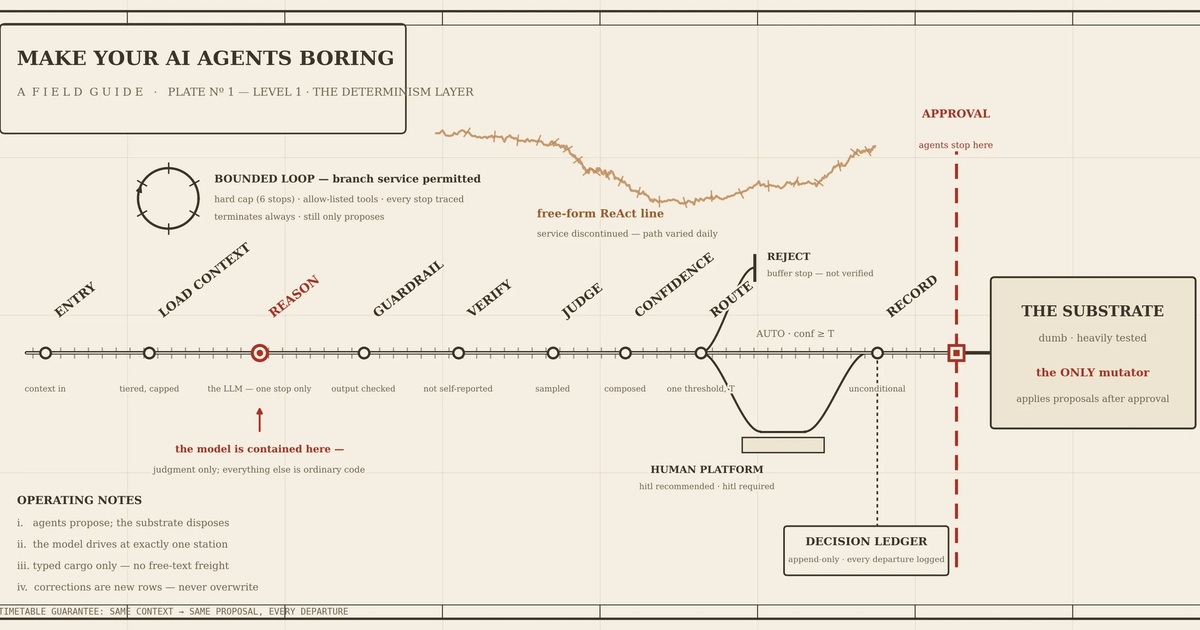
  17. Part 1: Make your AI agents boring: the determinism layer

    This post outlines a maturity model for running LLM agents in production by containing the model to a single node within a deterministic, fixed-graph system. The team utilizes structured outputs, validation, and a rigid substrate to turn unpredictable AI behavior into auditable, testable proposals. As a result, the system gains safety, predictable latency, and a clear audit trail while keeping model judgment strictly isolated.

    DEPTH ■■■■■13 min read2 weeks ago

    Machine Learning

    Sign in to save and rate

  18. Building a faster, lazier router for Postgres

    To reduce overhead when routing queries across PostgreSQL shards, the Neki router avoids unnecessary parsing and decodes responses lazily. By keeping data in its original wire format and only decoding columns when strictly required for operations like limits or sorting, the router significantly improves performance.

    DEPTH ■■■■■16 min read3 weeks ago

    Sign in to save and rate

  19. Rewinding the exponential: How we keep hardware usage down

    Cloudflare tackled exponential traffic growth against linear hardware growth by continuously evolving their data pipeline architecture over five years. Key optimizations included breaking up monolithic schemas, switching to zstd compression, decoupling pipeline transit from database replication, decentralizing sampling, and moving aggregations earlier in the pipeline. These strategies significantly reduced backbone bandwidth usage, network congestion, and storage requirements while preserving data quality.

    DEPTH ■■■■■12 min read12 days ago

    Infrastructure

    Sign in to save and rate

  20. Agentic antimicrobial resistance surveillance with AWS HealthOmics and Amazon Bedrock AgentCore

    Processing public bacterial sequencing data for antimicrobial resistance surveillance typically requires specialized bioinformatics and SQL skills. To streamline this process, the team built a reference architecture using AWS HealthOmics, Amazon S3 Tables, and an Amazon Bedrock AgentCore conversational agent that ingests raw reads, normalizes findings, and answers plain-language questions with cited evidence. The resulting system automates the path from public accession numbers to natural-language epidemiological answers.

    DEPTH ■■■■■10 min read13 days ago

    Sign in to save and rate