/ THE FEED /

Read what ships.

Deep, recent reads ranked by depth and freshness.

  1. Origin Range Requests: Serving large files without range-request tuning

    Cloudflare replaced a legacy, fixed-size range caching design that suffered from bandwidth waste and memory pressure with a Pingora-based chunk coordinator. The new implementation dynamically combines cached chunks and aligned origin fetches to serve range requests accurately without manual tuning. This approach cut p99 time to first byte in half for R2 storage and reduced tiered cache traffic by six percent.

    DEPTH ■■■■■8 min read3 days ago

    DatabasesPerformanceRedis

    Sign in to save and rate

  2. Shard design doesn't start from your tables

    Designing a sharded Postgres architecture requires grouping tables around shared query keys rather than starting from table structures alone. The post details how to configure shard groups, reference tables, SQL expressions in shard indexes, and global secondary indexes using Neki. This setup enables efficient single-shard queries and transactions while maintaining full Postgres semantics.

    DEPTH ■■■■■8 min read4 days ago

    PostgreSQL

    Sign in to save and rate

  3. The Pulse: Anthropic builds its own source control system

    Anthropic experienced a massive increase in code merges due to the heavy use of AI coding agents, which quickly overwhelmed standard Git scaling limits and CI checkouts. To solve this, a small engineering team built a custom centralized version control system called Scion backed by Google Spanner and Cloud Storage, along with a code review tool called Antique. This move successfully migrated the entire monorepo off Git and eliminated bottlenecks, though the architecture drew controversy over similarities to Meta's Mononoke.

    DEPTH ■■■■■12 min read4 days ago

    ArchitectureDistributed Systems

    Sign in to save and rate

  4. We gave AI agents a mobile dev environment

    Engineering teams outgrew their local machines while running parallel AI mobile development agents, constrained by heavy builds and lack of iOS tools on Linux. To solve this, they built Remote Dev using warm pools of remote Macs connected via SSH alongside separate Linux VMs for Android virtualization, paired with agent skills and live browser streaming. This setup shifted workflow bottlenecks, increasing AI-merged pull requests from 6 percent to 61 percent.

    DEPTH ■■■■■9 min read5 days ago

    ArchitectureMobile

    Sign in to save and rate

  5. PHP2Shell: GitLab helps find and remediate critical PHP flaws

    Critical remote code execution vulnerabilities known as PHP2Shell affect the PHP engine across multiple versions, requiring immediate runtime updates to fixed versions or patched distribution packages. The team utilized platform features like container scanning, code search, and automated agent workflows to locate PHP projects and remediate vulnerabilities. Operators must also check logs and environments for signs of compromise as framework updates and input validations cannot prevent these engine-level flaws.

    DEPTH ■■■■■10 min read5 days ago

    ArchitectureSecurity

    Sign in to save and rate

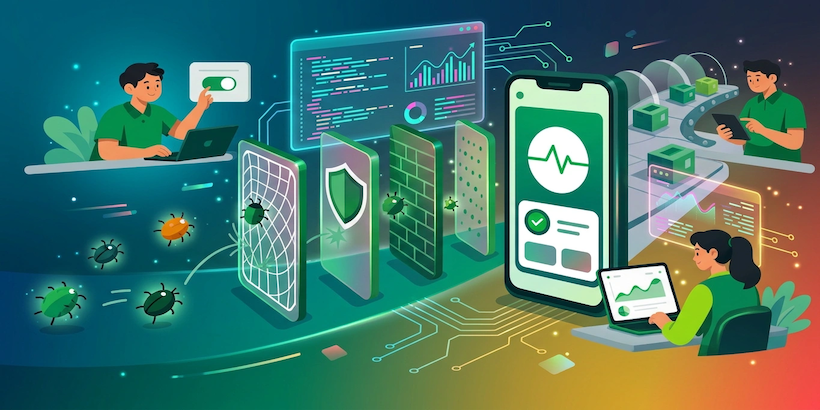
  6. App stability at scale with a layered defense

    To maintain app stability amidst rapid weekly releases and AI-generated code, Grab uses a layered defense strategy covering prevention, release gates, and incident response. This pipeline includes static analysis via custom lint rules, multiple tiers of automated and manual testing, a pre-production early access build, staged rollouts, and feature flags with instant kill switches. As a result, critical defects are caught early in the development lifecycle before reaching the wider production user base.

    DEPTH ■■■■■16 min read6 days ago

    MobileReliability

    Sign in to save and rate

  7. The Thin Orchestrator: How We Made Our AI Agents More Reliable by Giving the Router Less to Do

    Meta engineers reduced hallucinations and improved reliability in their data pipeline agents by replacing a single heavyweight LLM orchestrator with a thin deterministic router and fourteen specialized subagents. The thin orchestrator handles routing and reliability checks through a fixed protocol, while isolated subagents execute domain reasoning. This architecture reduced configuration preparation time from a day to under an hour.

    DEPTH ■■■■■7 min read7 days ago

    Machine Learning

    Sign in to save and rate

  8. Advancing Generative Recommendation Inference: our collaboration with NVIDIA on TensorRT LLM

    Spotify migrated its generative recommendation inference to NVIDIA TensorRT-LLM to address performance bottlenecks with vLLM and feature gaps in other engines. Through a collaboration with NVIDIA, the team added support for beam search, multi-item scoring, and soft token injection into TensorRT-LLM. This integration resulted in significant cost reductions of up to 54 percent for beam search and 7 percent for scoring workloads.

    DEPTH ■■■■■7 min read11 days ago

    Machine Learning

    Sign in to save and rate

  9. MCP standardized tools. Now we need the infrastructure around them.

    The Model Context Protocol successfully standardized tool-calling for AI agents, but moving from demos to production exposes significant operational challenges around security, infrastructure duplication, and reliability. Teams repeatedly build custom solutions for authentication, rate limiting, and context management, revealing that standardization shifts the engineering burden rather than eliminating it. Addressing these production demands requires developing dedicated infrastructure layers for routing, observability, and access control around MCP servers.

    DEPTH ■■■■■8 min read11 days ago

    Machine Learning

    Sign in to save and rate

  10. How Shopify turns open models into task experts

    Shopify uses a continual learning flywheel to post-train open models, such as NVIDIA Nemotron, to serve as dedicated subagents for specific tasks like GraphQL generation. By optimizing inference and utilizing automated self-healing to generate training data from production failures, the team successfully created task experts that outperform frontier models while reducing serving costs by 90-98% and improving response times.

    DEPTH ■■■■■5 min read6 days ago

    Architecture

    Sign in to save and rate

  11. I don't trust ON DELETE CASCADE

    Postgres ON DELETE CASCADE can cause production outages, replication failures, and performance degradation during large deletions or schema migrations due to long-running transactions holding locks and generating massive WAL. The author recommends using soft deletes with batched background cleanup instead to keep transactions short and bounded. This approach avoids table locks and simplifies data recovery.

    DEPTH ■■■■■5 min read6 days ago

    PostgreSQL

    Sign in to save and rate

  12. Cutting our inference bill by 68% by being obsessive about optimization

    An engineering team investigated a steady rise in AI code review costs and found that cache misses and redundant model calls were driving up expenses. By restructuring system prompts to enable cross-repository prompt caching, eliminating wasted tool calls, and switching to more efficient models, the team cut inference costs by 68% while also significantly improving review latency.

    DEPTH ■■■■■15 min read7 days ago

    Machine Learning

    Sign in to save and rate

  13. Redesigning source control at Anthropic

    Anthropic experienced a massive surge in code generation due to AI coding tools, causing git to become a critical bottleneck for their monorepo. To scale, the team built Scion, a custom version control system optimized for online clients and server-side computation. This new architecture reduced infrastructure resource requirements by 200x and drastically improved checkout speeds for CI jobs.

    DEPTH ■■■■■17 min read2 weeks ago

    Architecture

    Sign in to save and rate

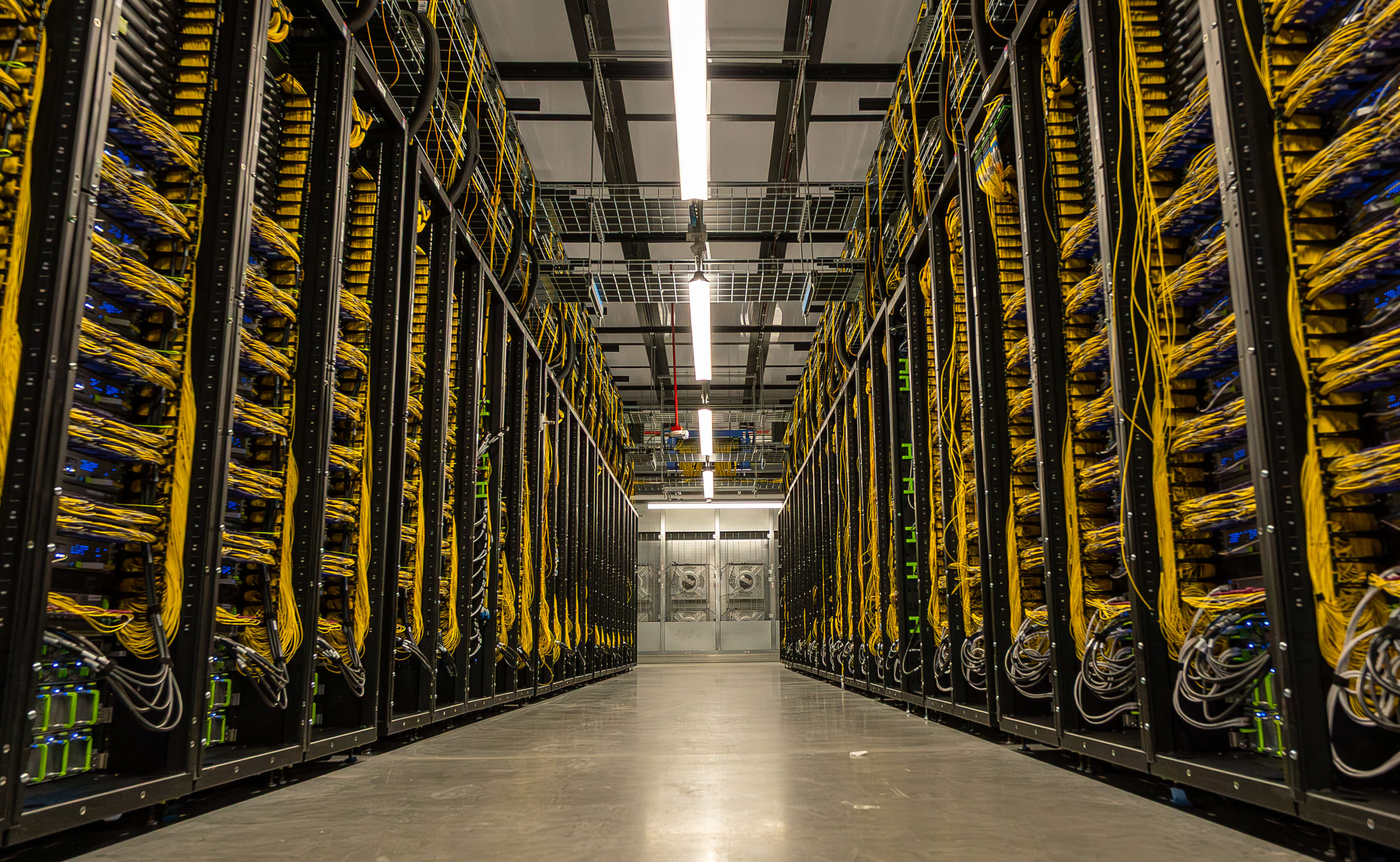
  14. Inside Prometheus: Meta’s Journey to a Gigawatt-Scale Supercluster

    Meta built Prometheus, a gigawatt-scale AI supercluster designed to scale up to one million GPUs using multi-generation NVIDIA hardware and specialized backend Ethernet networks. The team achieved high goodput and significantly reduced system interruptions by implementing an in-rack sparing strategy, parallelism-aware fault tolerance, and close co-engineering with vendors. These infrastructure advancements allowed the team to successfully train frontier foundational models like Muse Wonder.

    DEPTH ■■■■■17 min read8 days ago

    InfrastructureMachine Learning

    Sign in to save and rate

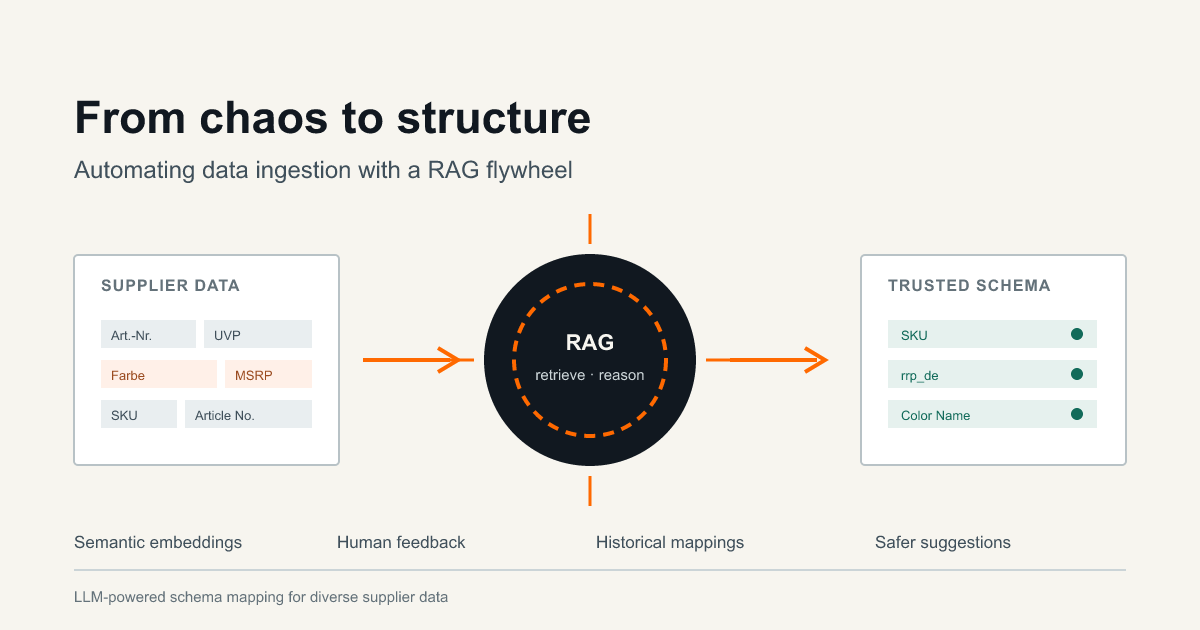
  15. Automating Data Ingestion with a RAG Flywheel

    Zalando replaced manual schema mapping for diverse supplier data with an LLM-powered Retrieval-Augmented Generation (RAG) flywheel. The system combines Amazon Titan embeddings stored in PostgreSQL via pgvector with tool-constrained generative models running at zero temperature. Every LLM suggestion passes through strict API validation checks before being reviewed by operations specialists, creating a continuous learning loop that improves future predictions.

    DEPTH ■■■■■14 min read2 weeks ago

    Machine LearningPostgreSQL

    Sign in to save and rate

  16. Cross-store product clustering across millions of stores

    Shopify needed to group identical product listings from millions of different merchants under a single global identifier. To solve this at scale without comparing every possible pair, the team implemented a multi-stage pipeline using vector retrieval, a tiered scoring system of ML models, and a bounded graph clustering approach. This architecture successfully standardizes product data across the entire platform while controlling computational costs.

    DEPTH ■■■■■13 min read7 days ago

    Architecture

    Sign in to save and rate

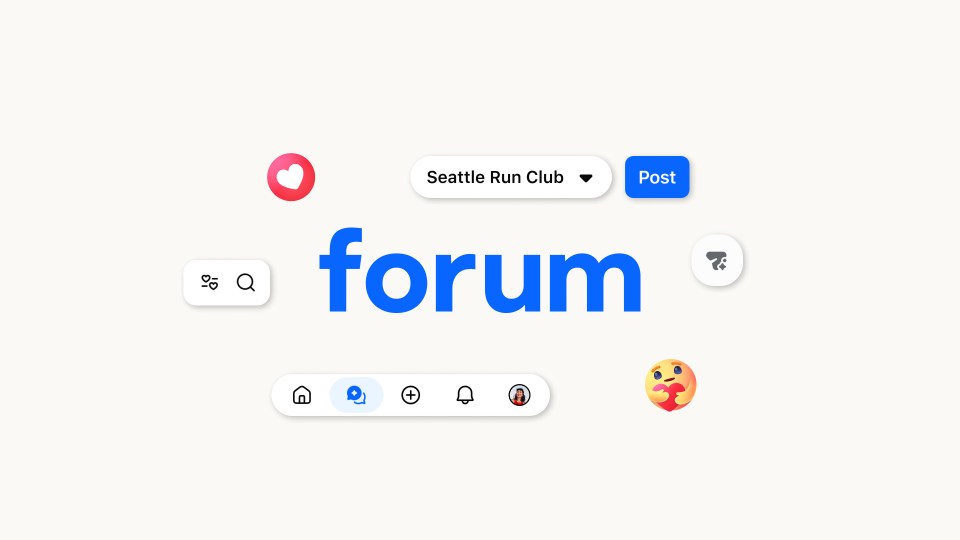
  17. How Meta Built Forum With AI-Native Engineering

    Meta engineers built the Forum app using a human-on-the-loop AI agent workflow that automated planning, building, testing, and verification. By shifting focus from code generation to automated verification, tooling improvements, and architectural legibility, the team reached feature parity in eight weeks while catching systemic memory issues early.

    DEPTH ■■■■■8 min read11 days ago

    FrontendMobile

    Sign in to save and rate

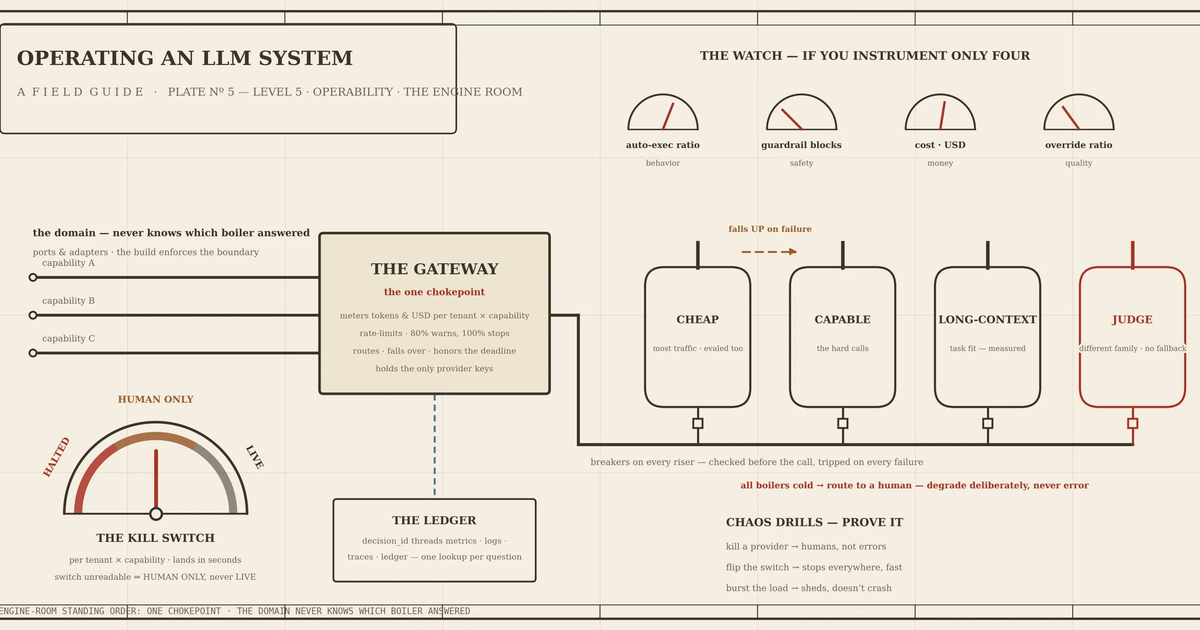
  18. Part 5: Operating an LLM system: observability, cost, routing, and the platform underneath

    This post provides a concrete specification for the operability layer of production LLM systems, covering observability signals, structured logging, cost controls, routing, and failover mechanisms. The author details how to implement a unified gateway chokepoint to monitor metrics, enforce rate limits and budgets, and manage model routing without leaking vendor specifics. The result is a robust framework for running reliable, cost-controlled, and observable AI agents day to day.

    DEPTH ■■■■■19 min read2 weeks ago

    Machine Learning

    Sign in to save and rate

  19. Under the hood, off the hot path: How D1 scales to millions of databases

    Cloudflare scaled its serverless SQLite database, D1, to support millions of databases by decoupling the control plane from the data plane. The team used distributed metadata caching via Workers KV, optimized database connections through Hyperdrive, and implemented a self-correcting heartbeat mechanism. This architecture prevents centralized bottlenecks and allows D1 to handle rapid on-demand database creation efficiently.

    DEPTH ■■■■■22 min read13 days ago

    Databases

    Sign in to save and rate

  20. Evolving our calendar assistant Reclaim to be AI-native without starting over

    Dropbox engineers evolved their calendar assistant, Reclaim, to support natural-language AI requests by building a custom agent platform that integrates with existing scheduling logic. They utilized a shared action system and a Preview Mode backed by Redis to ensure AI suggestions are consistent and reviewable before affecting real calendars. This approach allows the product to adopt AI capabilities without fragmenting its core architecture or duplicating functionality.

    DEPTH ■■■■■7 min read4 weeks ago

    InfrastructureMachine Learning

    Sign in to save and rate