/ THE FEED /

Read what ships.

Deep, recent reads ranked by depth and freshness.

  1. It's time to make your own RSS reader

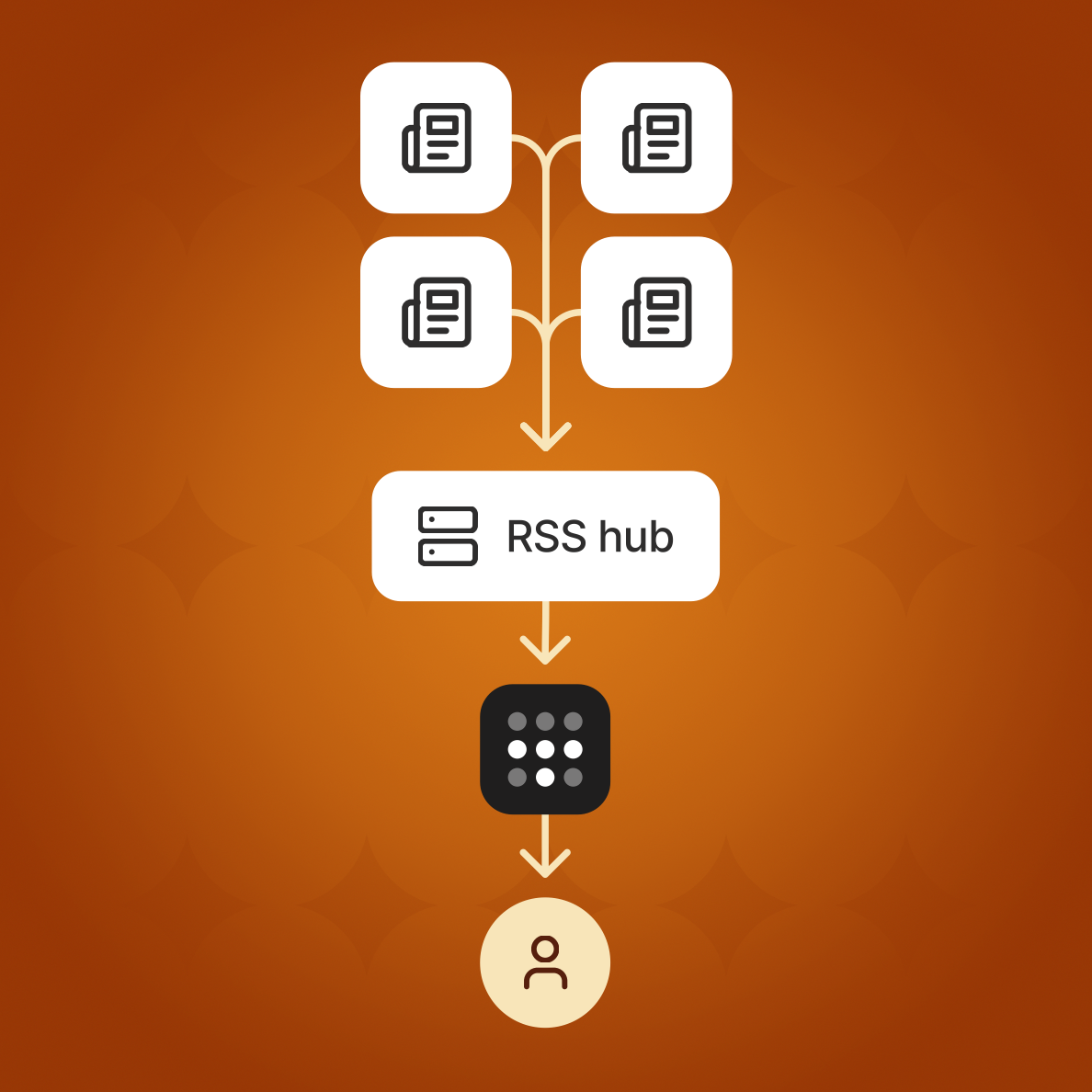
    This post walks through the process of self-hosting a personal RSS reader using FreshRSS and Docker, secured privately over a Tailscale network. The author details the configuration of environment variables, auth keys, and Docker compose deployment to avoid exposing the service to the open web. The result is a private, algorithm-free news reader accessible across multiple devices and integrable with external reading apps or AI agents.

    DEPTH ■■■■■10 min read9 days ago
    Sign in to save and rate

  2. The making of the Yelp Assistant UI

    Yelp developed a chat interface called Yelp Assistant using a hybrid approach combining native UI components and a server-driven UI framework called CHAOS. This architecture allows the team to dynamically update the chat experience without waiting for app store releases. The system separates views from data using reactive datasets and MessageEvents to manage the chat loop, state, and user interactions.

    DEPTH ■■■■■12 min read3 weeks ago

    Sign in to save and rate

  3. Your agent, your network: How Meta’s Muse agent works with Tailscale

    Meta integrated Tailscale into its Muse personal AI agent, allowing the agent to join a user's tailnet as a separate node and interact with self-hosted services and SSH sessions. By treating Muse like any standard tailnet node, users can apply Tailscale's access controls, grants, and tags to enforce security and adhere to the principle of least privilege.

    DEPTH ■■■■■5 min read3 weeks ago

    Sign in to save and rate

  4. Why I tried to kill token billing (and why we kept it)

    The author examines the limitations of token-based billing as a customer-facing pricing model, noting that it exposes internal margins and commoditizes AI products. The company explored abandoning token billing entirely but realized its necessity for backend cost tracking and margin management. Ultimately, the piece proposes unified credits and output-based pricing as better ways to align invoices with customer value.

    DEPTH ■■■■■7 min read3 weeks ago

    Sign in to save and rate