/ THE FEED /

Read what ships.

Deep, recent reads ranked by depth and freshness.

  1. OpenTelemetry Collector Configuration for LLM Observability

    LLM applications emit bulky telemetry containing sensitive user content and disparate attribute names. The team uses an OpenTelemetry Collector pipeline to normalize, enrich, redact, and export this data to Honeycomb. This centralizes control, protects data before it leaves the network, and maintains consistent observability.

    DEPTH ■■■■■12 min read2 weeks ago

    Sign in to save and rate

  2. It's time to make your own RSS reader

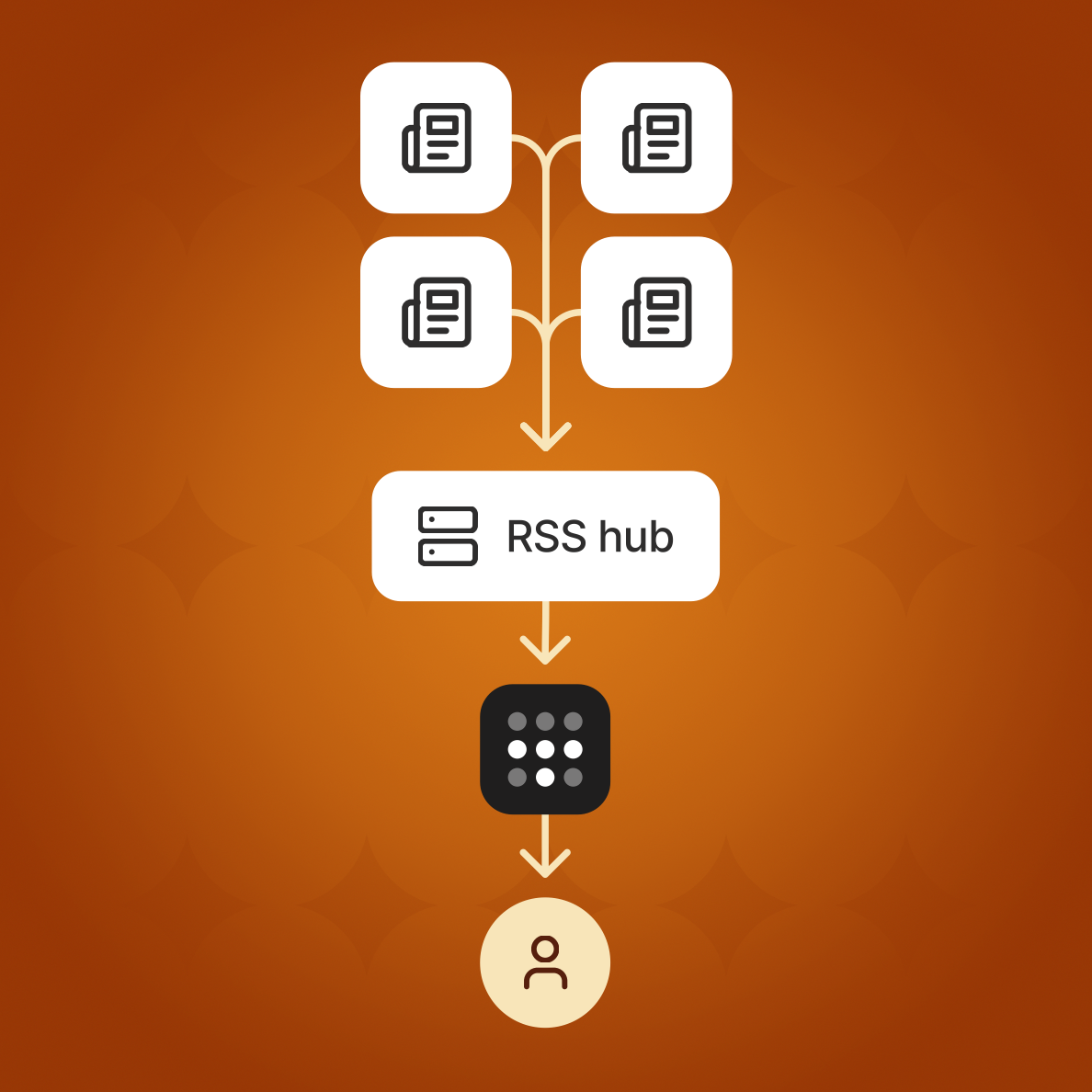
    This post walks through the process of self-hosting a personal RSS reader using FreshRSS and Docker, secured privately over a Tailscale network. The author details the configuration of environment variables, auth keys, and Docker compose deployment to avoid exposing the service to the open web. The result is a private, algorithm-free news reader accessible across multiple devices and integrable with external reading apps or AI agents.

    DEPTH ■■■■■10 min read9 days ago

    Sign in to save and rate

  3. How Honeycomb Private Cloud Drinks From the Fire Hose

    The Honeycomb Private Cloud team struggled to manually track and integrate rapid infrastructure and configuration changes produced by upstream teams. To solve this, they built custom scripts to generate automated drift reports and eventually integrated AI to help triage and track the necessary follow-up work. As a result, the team successfully scaled their integration process into a reliable daily workflow.

    DEPTH ■■■■■10 min read2 weeks ago

    Sign in to save and rate

  4. Your agent, your network: How Meta’s Muse agent works with Tailscale

    Meta integrated Tailscale into its Muse personal AI agent, allowing the agent to join a user's tailnet as a separate node and interact with self-hosted services and SSH sessions. By treating Muse like any standard tailnet node, users can apply Tailscale's access controls, grants, and tags to enforce security and adhere to the principle of least privilege.

    DEPTH ■■■■■5 min read3 weeks ago

    Sign in to save and rate