/ THE FEED /

Read what ships.

Deep, recent reads ranked by depth and freshness.

  1. The bridge to agent-scale Git infrastructure

    GitHub faced infrastructure capacity limits and a 25ms cross-region network round trip when migrating repositories to Azure. The team changed the storage quorum from repository-wide locks to per-reference serialization and introduced ephemeral virtual replicas backed by object storage. This raised write throughput, prevented slow replicas from blocking traffic, and decoupled read scaling from the write quorum.

    DEPTH ■■■■■8 min read4 days ago

    Infrastructure

    Sign in to save and rate

  2. The Thin Orchestrator: How We Made Our AI Agents More Reliable by Giving the Router Less to Do

    Meta engineers reduced hallucinations and improved reliability in their data pipeline agents by replacing a single heavyweight LLM orchestrator with a thin deterministic router and fourteen specialized subagents. The thin orchestrator handles routing and reliability checks through a fixed protocol, while isolated subagents execute domain reasoning. This architecture reduced configuration preparation time from a day to under an hour.

    DEPTH ■■■■■7 min read6 days ago

    Machine Learning

    Sign in to save and rate

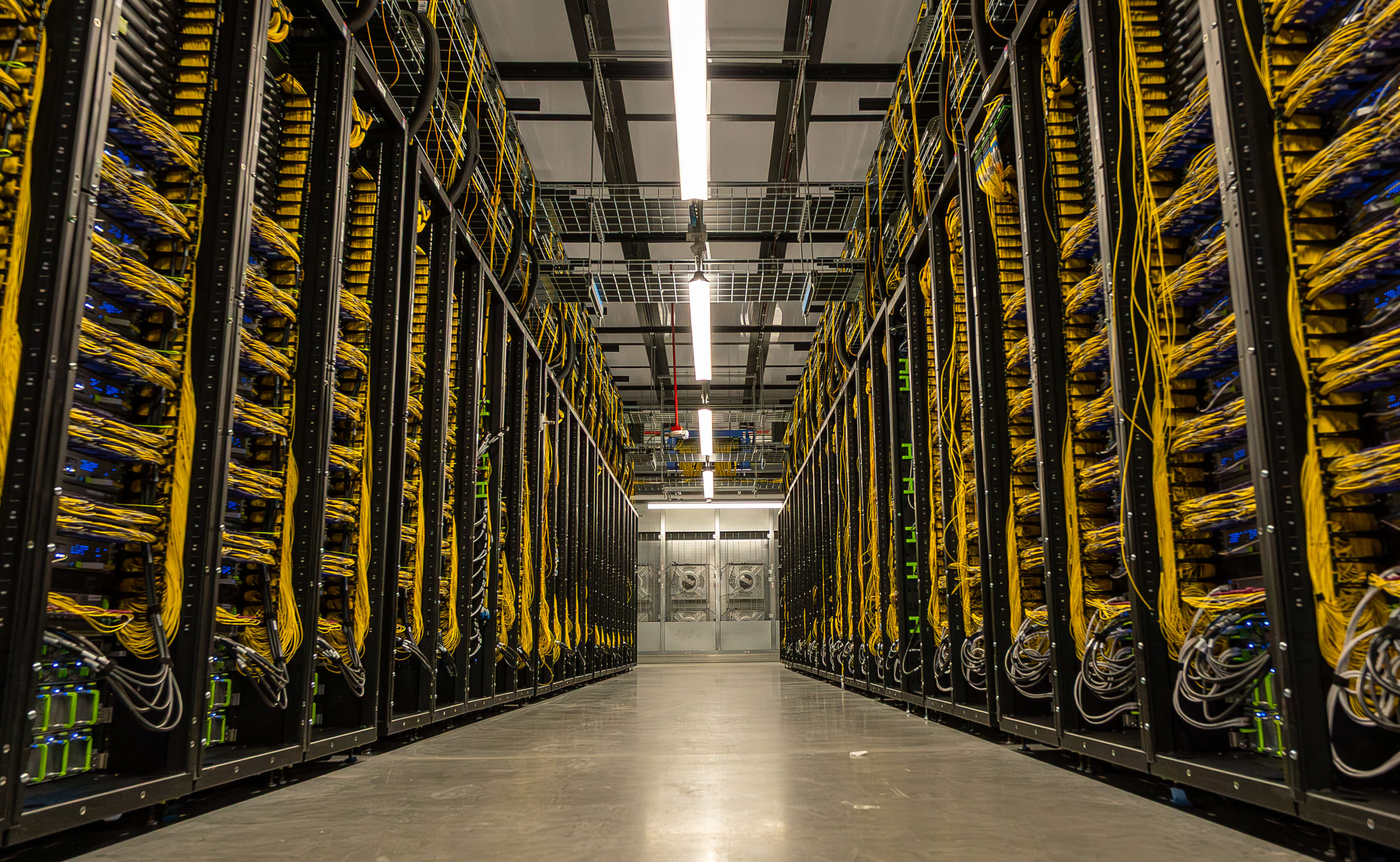
  3. Inside Prometheus: Meta’s Journey to a Gigawatt-Scale Supercluster

    Meta built Prometheus, a gigawatt-scale AI supercluster designed to scale up to one million GPUs using multi-generation NVIDIA hardware and specialized backend Ethernet networks. The team achieved high goodput and significantly reduced system interruptions by implementing an in-rack sparing strategy, parallelism-aware fault tolerance, and close co-engineering with vendors. These infrastructure advancements allowed the team to successfully train frontier foundational models like Muse Wonder.

    DEPTH ■■■■■17 min read6 days ago

    InfrastructureMachine Learning

    Sign in to save and rate

  4. From 2,500 requests to 24: Rebuilding star history without the stargazers

    GitHub faced abuse and performance issues because tools were scraping user identities to reconstruct repository star history. The engineering team collaborated with maintainers to build a purpose-built aggregate endpoint that returns daily star counts without identities and filters by time before aggregation. This reduced request volume from thousands to a few dozen and eliminated heavy database scans.

    DEPTH ■■■■■8 min read11 days ago

    Microservices

    Sign in to save and rate

  5. How Meta Built Forum With AI-Native Engineering

    Meta engineers built the Forum app using a human-on-the-loop AI agent workflow that automated planning, building, testing, and verification. By shifting focus from code generation to automated verification, tooling improvements, and architectural legibility, the team reached feature parity in eight weeks while catching systemic memory issues early.

    DEPTH ■■■■■8 min read10 days ago

    FrontendMobile

    Sign in to save and rate

  6. Meta’s Generative Ads Model (GEM): Scaling the Central Model and Compute Engine for Frontier Ads AI

    Meta developed GEM, a unified recommendation foundation model using an LLM-style architecture called Kunlun to handle heterogeneous ads data across multiple surfaces. The team implemented block attention, custom low-precision kernels, and post-training intelligence transfer techniques like LoopFM and Solaris to scale training efficiency and bypass real-time serving latency bottlenecks. The resulting system delivered an 18.9% conversion improvement and a 12% click-through rate increase across Meta ads surfaces.

    DEPTH ■■■■■15 min read12 days ago

    Machine Learning

    Sign in to save and rate

  7. Building Git infrastructure for agent-scale development

    GitHub is redesigning its Git infrastructure to handle the massive surge in concurrent read and write operations driven by agentic software development and high-volume workloads. The team is decoupling storage from compute by leveraging Azure Blob Storage for durability and lightweight compute workers for requests, which separates scaling dimensions. In internal benchmarks, this approach achieves up to 35 times higher write throughput and independent read scalability.

    DEPTH ■■■■■9 min read2 weeks ago

    Infrastructure

    Sign in to save and rate

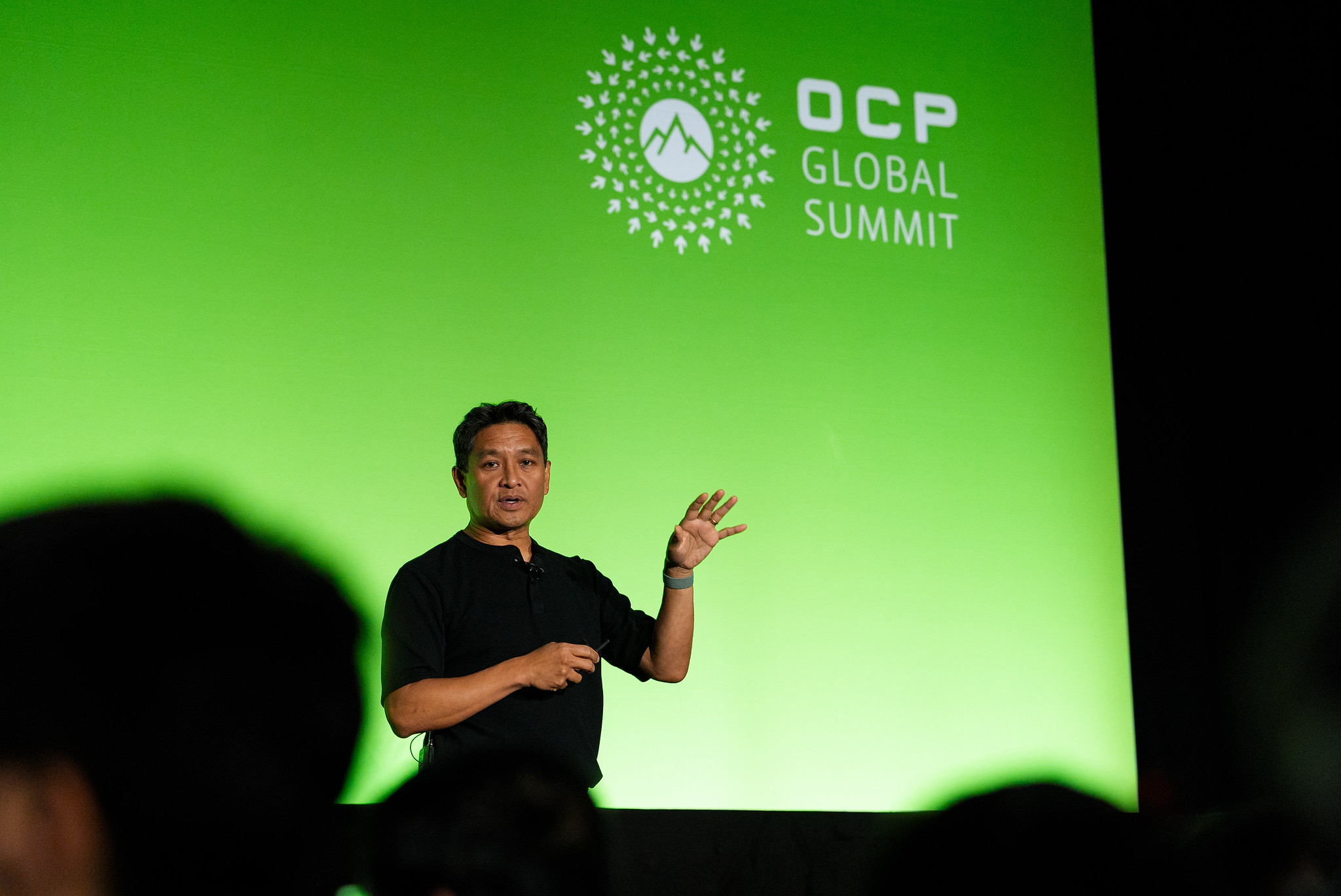
  8. OCP Summit 2026: Powering AI with Open Innovations in Scale-Up, Scale-Out, and Scale-Across Networks

    Meta shared its next-generation open networking infrastructure for AI at the OCP Summit 2026, including liquid-cooled 102.4T switch platforms, multiplane scale-out fabrics, and Ethernet-based scale-up solutions. The team also highlighted collaborative industry standards like ESUN and OSPA to unify hardware and transport layers. These open innovations aim to support massive gigawatt-scale AI clusters across diverse data center environments.

    DEPTH ■■■■■12 min read13 days ago

    Machine Learning

    Sign in to save and rate

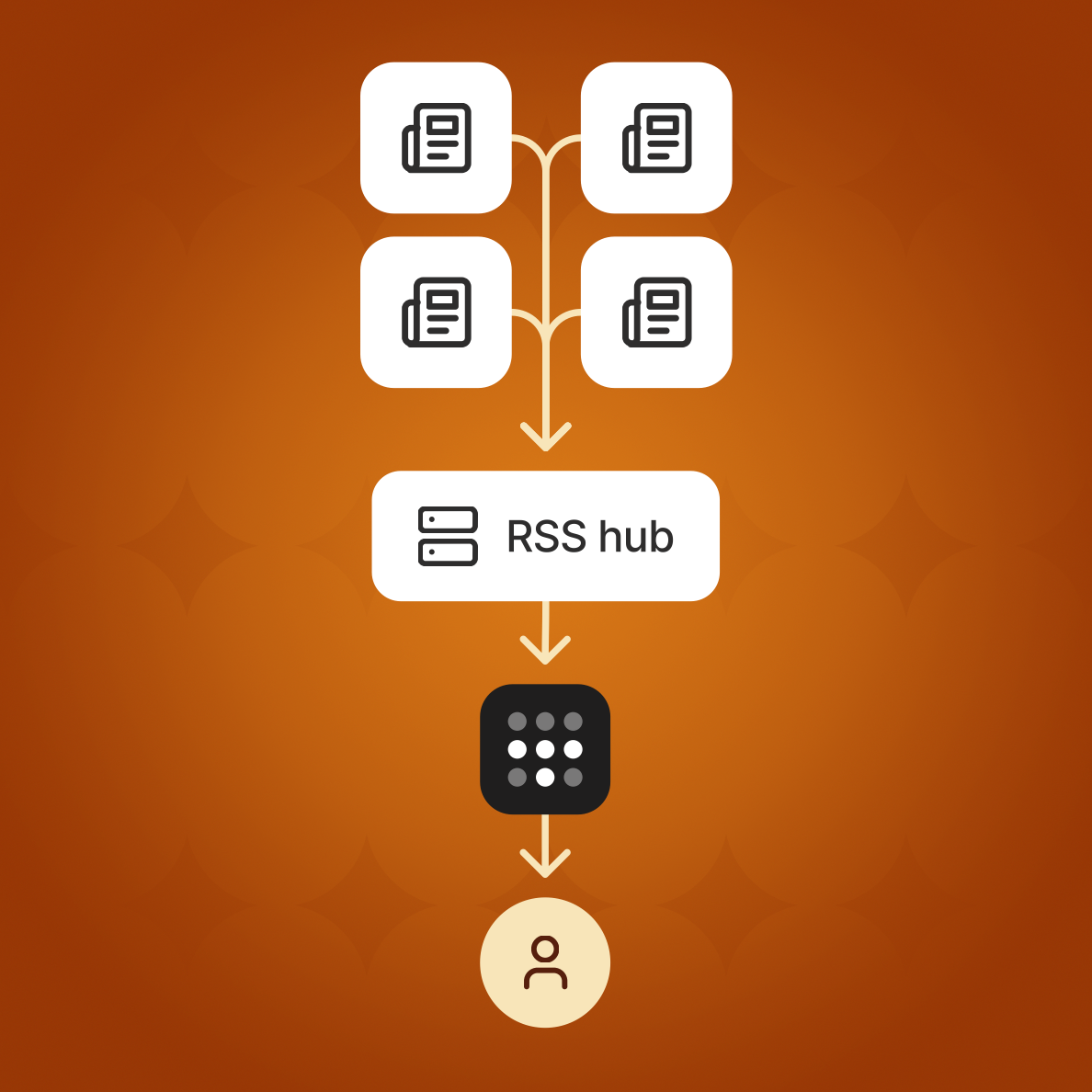
  9. It's time to make your own RSS reader

    This post walks through the process of self-hosting a personal RSS reader using FreshRSS and Docker, secured privately over a Tailscale network. The author details the configuration of environment variables, auth keys, and Docker compose deployment to avoid exposing the service to the open web. The result is a private, algorithm-free news reader accessible across multiple devices and integrable with external reading apps or AI agents.

    DEPTH ■■■■■10 min read9 days ago

    Sign in to save and rate

  10. Front-End Web Deep Dive: Runtime Config

    Front-end web applications traditionally bake environment variables into build artifacts, requiring a full rebuild to change configurations across environments. To solve this, a new approach injects runtime environment variables directly into the HTML document's head element as data attributes via a Cloud Native Buildpack. This enables zero-rebuild configuration changes while remaining compatible with browser security standards like CSP.

    DEPTH ■■■■■3 min read10 days ago

    Frontend

    Sign in to save and rate

  11. Staying Evergreen: How we automated secure access and repo hygiene in a shared org

    Manual repository housekeeping and access reviews for outside collaborators become difficult to maintain as organizations scale. The team built Evergreen, a GitHub App that automates quarterly access reviews and stale repository archiving using native platform features and IssueOps. This automation successfully enforces secure defaults by revoking unanswered access while maintaining a full audit trail in git history.

    DEPTH ■■■■■8 min read10 days ago

    Sign in to save and rate

  12. GenRecs Tokenization: Transforming Ads Recommendation at Meta with Stable Model Vocabulary

    Meta implemented GenRecs Tokenization to replace dedicated item IDs with a stable semantic vocabulary for ads recommendation. Using a three-stage encoding and quantization pipeline, the system enables language models to reason about ad content and user preferences simultaneously. This approach resulted in a +0.35% lift in conversions and improved cold-start performance for new entities.

    DEPTH ■■■■■6 min read6 days ago

    Machine Learning

    Sign in to save and rate

  13. Improving site performance by shipping more CSS

    GitHub faced performance degradation on server-side rendering and initial page loads due to scaling issues with its CSS-in-JS solution. The engineering team executed a multi-year migration to CSS Modules and eliminated dynamic styling props using incremental rollouts, wrapper components, and automation tools. This resulted in significant performance gains, including 55% faster server-side rendering and the complete removal of styled-components.

    DEPTH ■■■■■8 min read4 weeks ago

    FrontendPerformance

    Sign in to save and rate

  14. Your agent, your network: How Meta’s Muse agent works with Tailscale

    Meta integrated Tailscale into its Muse personal AI agent, allowing the agent to join a user's tailnet as a separate node and interact with self-hosted services and SSH sessions. By treating Muse like any standard tailnet node, users can apply Tailscale's access controls, grants, and tags to enforce security and adhere to the principle of least privilege.

    DEPTH ■■■■■5 min read3 weeks ago

    Sign in to save and rate

  15. 2026 World Cup: Breaking Records, Spiky Charts and Reliability at Scale

    Meta's infrastructure handled record-breaking traffic during the 2026 World Cup, including 30 million messages per second on WhatsApp, by relying on automated load balancing, capacity buffers, and targeted pre-builds. Traffic patterns revealed that surges occurred primarily during breaks rather than gameplay, requiring region-specific forecasting rather than cross-region load shifting. The systems maintained full reliability and allowed normal continuous deployment schedules to continue without manual intervention or system freezes.

    DEPTH ■■■■■5 min read10 days ago

    Infrastructure

    Sign in to save and rate

  16. Rendering huge pull requests in the GitHub Copilot app

    Rendering extremely large pull requests with millions of lines and hundreds of comments requires separating deterministic code row geometry from unpredictable dynamic comment blocks. The team implemented an idle-gated measurement scheduler, separate height indices, and identity-based scroll anchoring to maintain smooth scrolling. As a result, the pull request view remains performant and responsive even under extreme loads.

    DEPTH ■■■■■14 min read4 weeks ago

    Sign in to save and rate

  17. Shipping Media Over QUIC at Meta Scale for Instagram Live Ingest

    Meta deployed the emerging Media over QUIC (MoQ) protocol for Instagram Live ingest on iOS and Android to replace their legacy RUSH protocol. By using edge translation to avoid backend rewrites and a phased rollout strategy, the team achieved metric parity with the old protocol without regressions. This deployment establishes a foundation to extend MoQ across Meta's applications for lower-latency and more resilient video streaming.

    DEPTH ■■■■■8 min read13 days ago

    FrontendMobile

    Sign in to save and rate

  18. How we make AI coding more cost efficient without sacrificing task quality

    GitHub optimized GitHub Copilot to improve cost efficiency without sacrificing task quality by evaluating changes across the entire agentic workflow. The team implemented four targeted adjustments including selective output compression, removing unused line-number formatting, shortening prompts via meta-prompting with behavioral tests, and delivering background work completions directly. These modifications reduced token usage and model inference costs globally without causing task-success regressions.

    DEPTH ■■■■■9 min read7 weeks ago

    Machine Learning

    Sign in to save and rate