/ THE FEED /

Read what ships.

Deep, recent reads ranked by depth and freshness.

  1. How the Math Used in 19th-Century Heat Physics Helps LLMs Understand Sentences

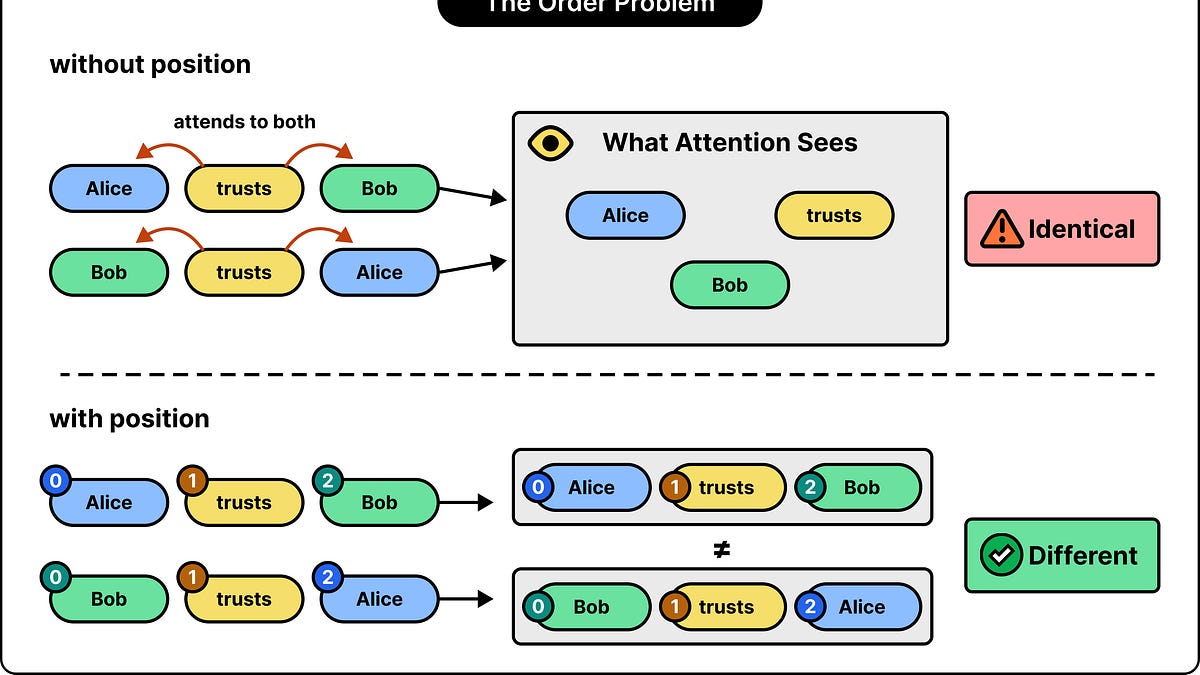
    This post explains how 19th-century mathematical techniques developed by Joseph Fourier using sine and cosine waves are applied in modern transformer models to give tokens positional context. The author demonstrates how word order dictates semantic meaning and how multi-speed rotational patterns provide bounded, scalable positional encodings. Ultimately, this mathematical structure helps attention mechanisms account for relative token distances during training.

    DEPTH ■■■■■13 min read12 days ago
    Sign in to save and rate

  2. Measuring the back/forward cache with Application Metrics

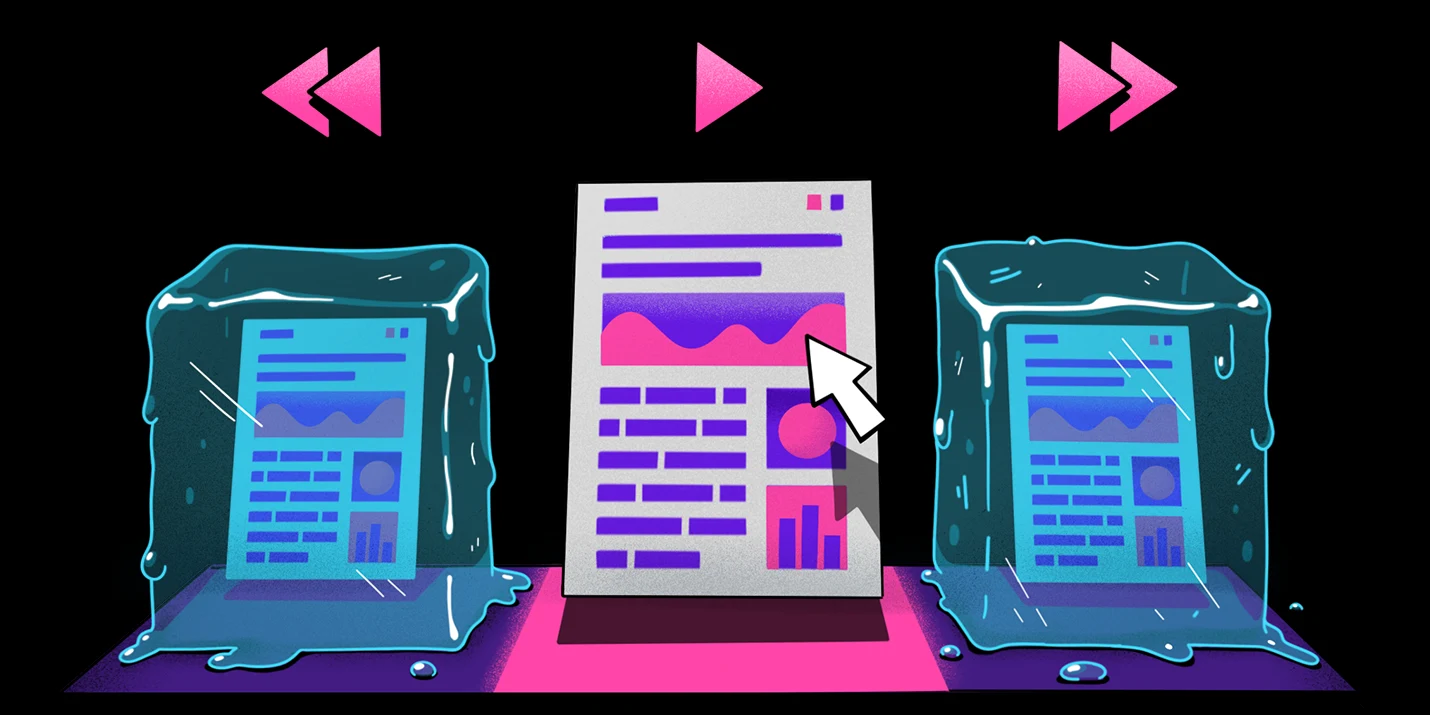
    Engineering teams often lack visibility into back/forward cache performance because successful cache hits leave no telemetry traces and browser heuristics frequently change. To solve this blind spot, the team introduced an opt-in application metrics integration in their JavaScript SDK that models browser bfcache signals into hits, specific miss reasons, and reload durations. As a result, developers can track, query, and fix silent navigation regressions using customizable dashboards.

    DEPTH ■■■■■6 min read4 weeks ago

    Sign in to save and rate

  3. EP230: RAG vs Agentic RAG

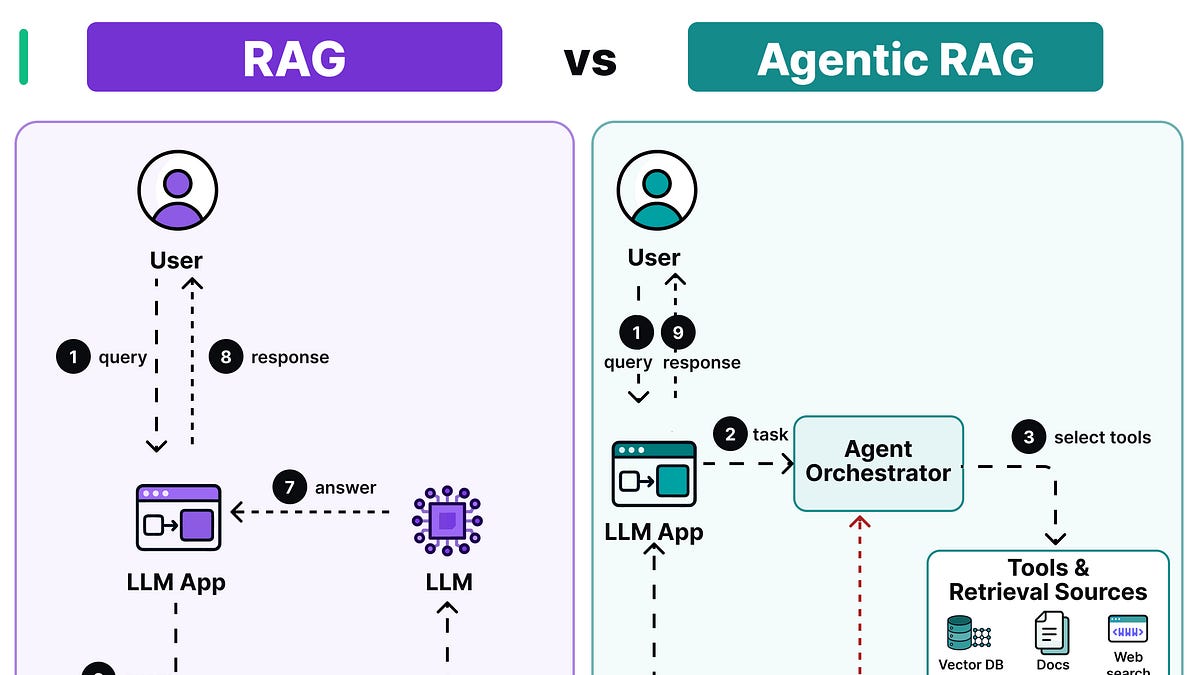
    This post provides brief conceptual overviews of several engineering topics, including traditional RAG versus Agentic RAG, OAuth versus OIDC, and the standard Linux directory structure. Traditional RAG relies on a single retrieval step, whereas Agentic RAG allows iterative searches and tool selection until sufficient evidence is gathered. The text outlines how OAuth handles authorization and OIDC adds user authentication, alongside a breakdown of core Linux directories like boot, dev, bin, and etc.

    DEPTH ■■■■■3 min readyesterday

    Sign in to save and rate

  4. Building Sentry's Laravel AI Integration

    The Sentry team built a Laravel AI integration to support Agent Tracing during an internal hackweek. Because Laravel AI lacked events for individual LLM invocations, the integration correlates outgoing HTTP requests with active invocations using provider URL prefixes. The resulting zero-config feature is available in sentry-laravel 4.27 and automatically traces agents, LLM requests, and tool calls.

    DEPTH ■■■■■4 min read4 weeks ago

    Sign in to save and rate

  5. EP229: 8 Chunking strategies for RAG-based agents

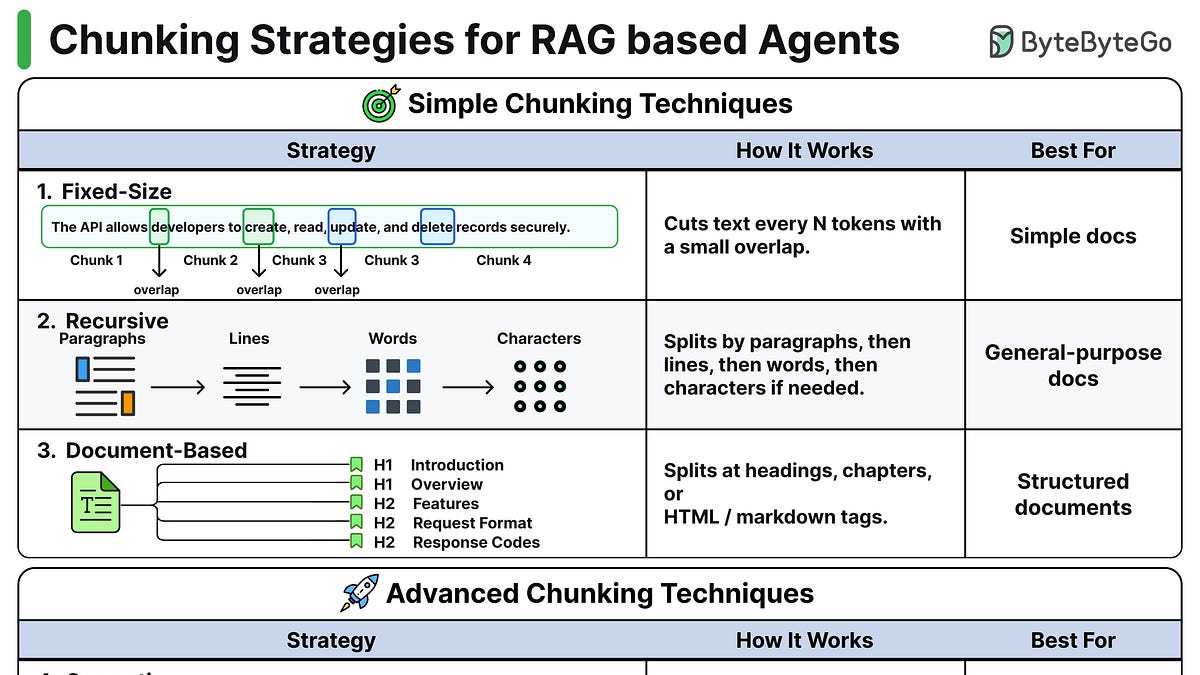
    The post provides brief, high-level overviews of various software engineering concepts including eight chunking strategies for RAG, the architecture of Google Translate, agent skills workflows, and the structural differences between PostgreSQL and MySQL. It touches upon how these different components and techniques function theoretically without deep benchmark comparisons. The content serves as a summary refresher on multiple system design topics.

    DEPTH ■■■■■3 min read8 days ago

    Sign in to save and rate

  6. Debugging our AI search assistant with agent tracing

    The Sentry team developed a Search Query Assistant to convert natural language prompts into search syntax, which initially failed on custom numerical attributes due to incorrect field formatting in the system prompt. By utilizing their own AI Conversation view and agent tracing, they identified the root cause in the tool call results and system prompt generation. This observability workflow enabled them to reproduce, fix, and verify the issue both locally and in production.

    DEPTH ■■■■■4 min read6 weeks ago

    Sign in to save and rate

  7. EP228: How SSH Works

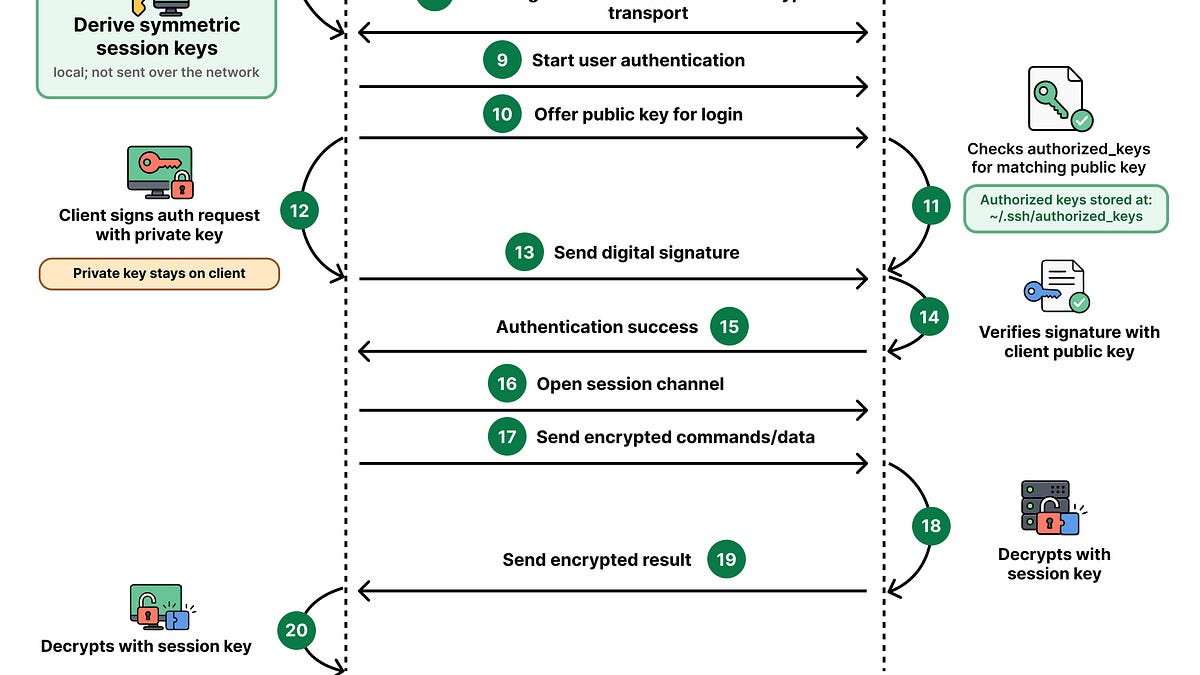
    This engineering newsletter covers the fundamentals of how SSH establishes secure remote connections through TCP, key exchange, and authentication. It also outlines key techniques for efficient LLM serving, the core anatomy of AI agents, and a structured approach to building evaluation systems.

    DEPTH ■■■■■6 min read3 weeks ago

    Sign in to save and rate