/ THE FEED /

Read what ships.

Deep, recent reads ranked by depth and freshness.

  1. PHP2Shell: GitLab helps find and remediate critical PHP flaws

    Critical remote code execution vulnerabilities known as PHP2Shell affect the PHP engine across multiple versions, requiring immediate runtime updates to fixed versions or patched distribution packages. The team utilized platform features like container scanning, code search, and automated agent workflows to locate PHP projects and remediate vulnerabilities. Operators must also check logs and environments for signs of compromise as framework updates and input validations cannot prevent these engine-level flaws.

    DEPTH ■■■■■10 min read3 days ago

    ArchitectureSecurity

    Sign in to save and rate

  2. App stability at scale with a layered defense

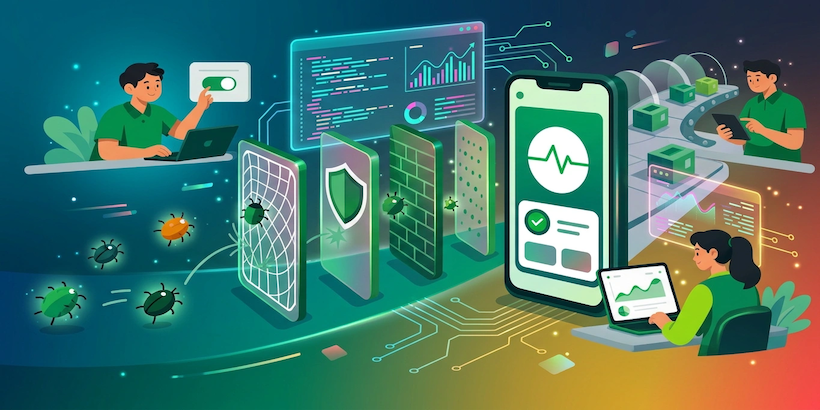
    To maintain app stability amidst rapid weekly releases and AI-generated code, Grab uses a layered defense strategy covering prevention, release gates, and incident response. This pipeline includes static analysis via custom lint rules, multiple tiers of automated and manual testing, a pre-production early access build, staged rollouts, and feature flags with instant kill switches. As a result, critical defects are caught early in the development lifecycle before reaching the wider production user base.

    DEPTH ■■■■■16 min read4 days ago

    MobileReliability

    Sign in to save and rate

  3. Make every AI credit count: See, cap, and reduce agent spend

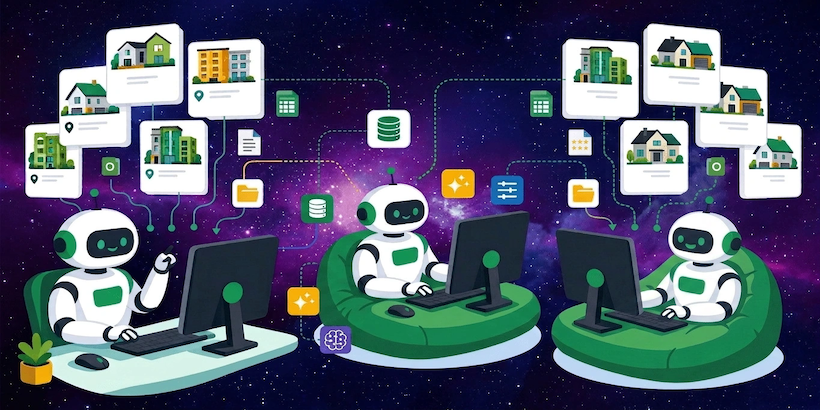
    Uncontrolled AI agent spending can be mitigated by combining open-weight models, centralized context graphs to reduce retries, and usage analytics with credit caps. GitLab introduced these capabilities in its Duo Agent Platform to help platform teams trace, limit, and optimize AI credit consumption. The resulting architecture matches specific tasks to lower-cost models while maintaining task completion quality.

    DEPTH ■■■■■6 min read12 days ago

    Sign in to save and rate

  4. Powering AI-led research through simulation

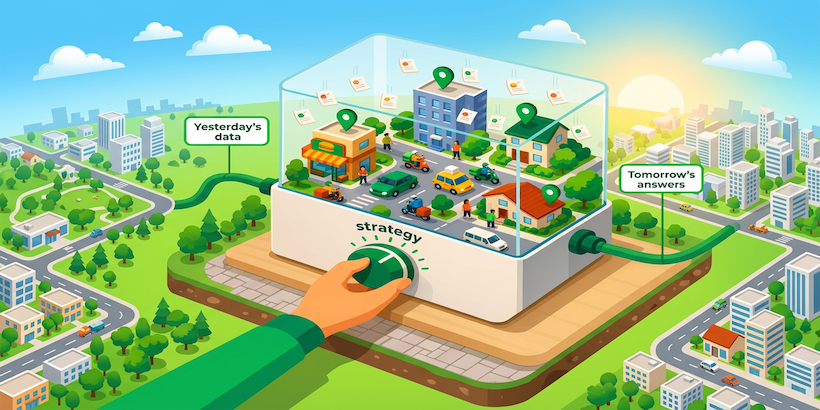
    The engineering team built a self-contained simulation platform called sim-rs to model marketplace dispatch dynamics and accelerate experimentation. By connecting automated software agents to this simulator with strict safety safeguards, the team successfully optimized strategy policies and simulator performance. This closed-loop lab environment allows agents to test ideas rapidly while ensuring that only valid, production-ready improvements are produced.

    DEPTH ■■■■■10 min read2 weeks ago

    Machine Learning

    Sign in to save and rate

  5. How Lufthansa Systems prototypes realistic maps for the cockpit with Figma Make

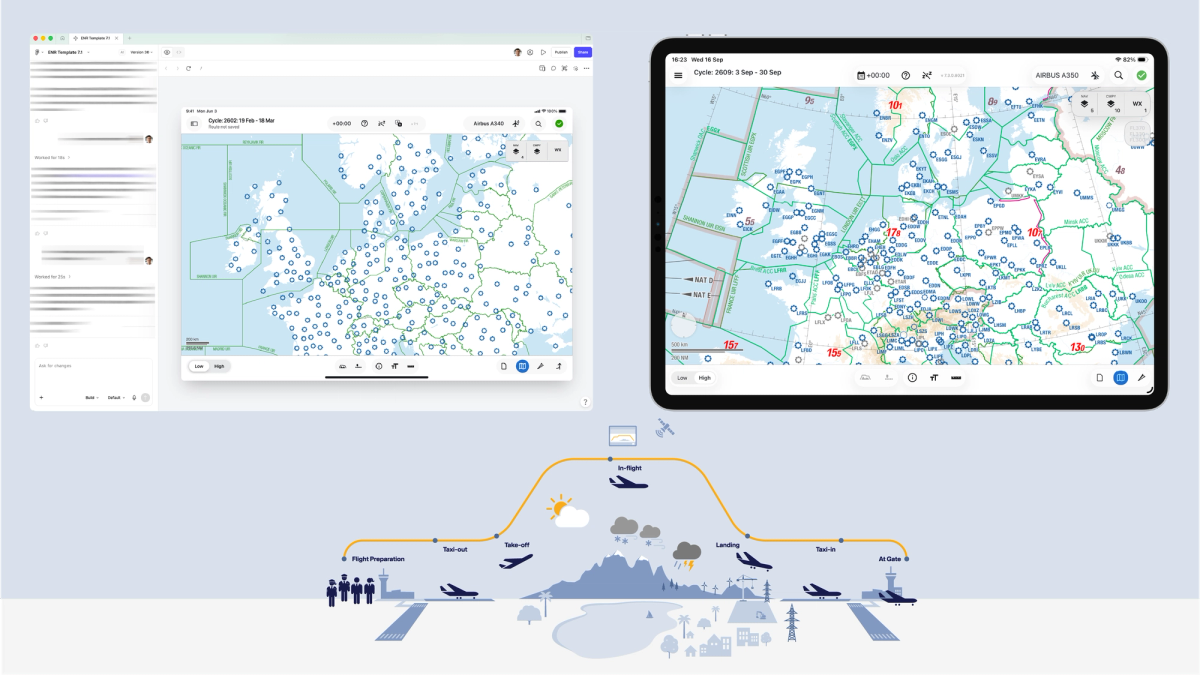
    Lufthansa Systems struggled to build realistic, dynamic map prototypes for cockpit navigation apps using traditional static design tools. The team experimented with Figma Make during an internal hackathon to integrate external data sources like Mapbox and the OpenSky Network into their designs. As a result, designers successfully tested interactive map features and complex flight traffic data with pilots prior to writing production code.

    DEPTH ■■■■■8 min read3 days ago

    Sign in to save and rate

  6. Smarter personalization: How property data helps us understand user price sensitivity

    Existing user personalization systems fail to systematically account for residential property values, leading to one-dimensional profiles and regional blind spots. A conceptual four-step method is proposed that combines public property data, large language models, building-level price estimation, and hierarchical clustering to classify user affluence. The approach remains unimplemented, with future viability depending on technical validation, data quality, and privacy approvals.

    DEPTH ■■■■■4 min read2 weeks ago

    Data EngineeringMachine Learning

    Sign in to save and rate

  7. How to put your design system to work with the Figma agent

    This post explains how to provide the Figma agent with proper context through design libraries, explicit guidelines, practical examples, and reusable skills to produce accurate outputs. By connecting libraries and defining rules, teams can ensure the agent uses approved components and follows design patterns. Reviewing agent outputs helps teams identify missing context and refine their libraries and guidelines.

    DEPTH ■■■■■6 min read2 days ago

    Sign in to save and rate

  8. Three developer tasks worth handing to an agent

    The post explains how to use GitLab Duo Agent Platform features such as automated code reviews, CI/CD pipeline failure diagnosis, and cross-project chat. It provides setup instructions for configuration and outlines a consumption-based pricing model using credits. The features aim to automate routine developer workflows using broader project context than standard IDE assistants.

    DEPTH ■■■■■4 min read6 days ago

    Sign in to save and rate

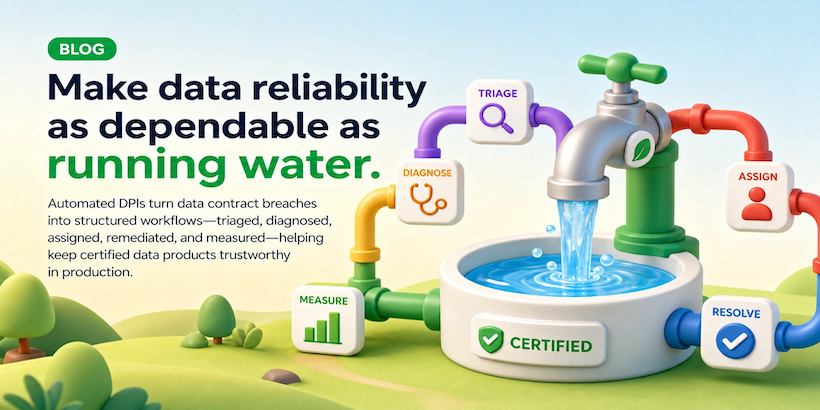
  9. Data Mesh at Grab (Part III): Operationalizing data reliability with automated DPIs

    Grab addressed runtime data reliability issues in its data mesh by implementing automated Data Production Issues (DPIs). The system uses an incident orchestrator to detect contract breaches, a Data Health API for cross-platform root cause analysis, and Hugo for automated remediation. This approach resolved 86.9 percent of incidents automatically and made mean time to resolve six times faster.

    DEPTH ■■■■■12 min read8 weeks ago

    DatabasesObservability

    Sign in to save and rate

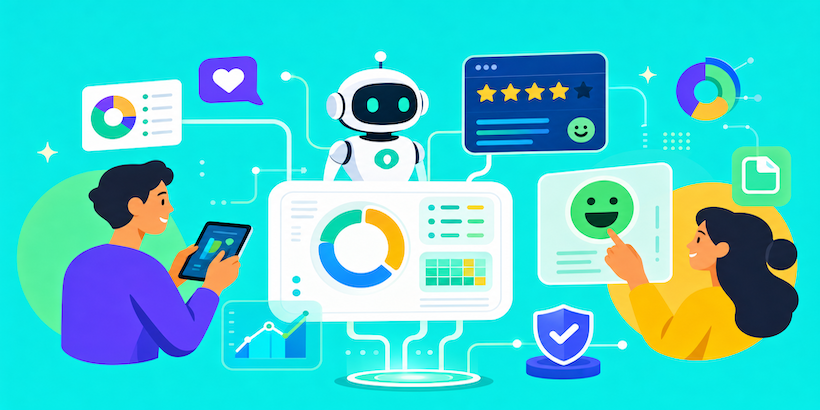
  10. Automated merchant review summary system with integrated feedback

    To help users navigate large volumes of unstructured merchant reviews, the engineering team built an automated review summary system using representative sampling, large language models, and automated quality control checks. The pipeline generates overall and topic-based summaries while incorporating maintenance triggers based on new review counts and consumer feedback. This approach reduces the text consumers need to scan while ensuring claims remain grounded in source data.

    DEPTH ■■■■■5 min read4 weeks ago

    Machine Learning

    Sign in to save and rate

  11. 4 team rituals that drive AI adoption

    To drive team-wide AI adoption beyond isolated power users, several companies introduced collaborative team rituals such as peer-led study groups, process-focused sharing forums, cross-disciplinary training, and prototype-first critiques. These forums helped bridge knowledge gaps, reduce intimidation, and build consistent habits. As a result, teams were able to move from individual experimentation to collective AI usage.

    DEPTH ■■■■■7 min read2 weeks ago

    Sign in to save and rate

  12. Workflow lab: Staying in the flow with Figma’s agent

    A fictional designer at Offtrail updates a permission settings flow using the Figma agent to handle repetitive maintenance, compliance checks, and component specs. By offloading busywork and context gathering to the agent, the designer focuses on feature logic and design decisions while keeping outputs connected in a shared canvas.

    DEPTH ■■■■■8 min read2 weeks ago

    Sign in to save and rate

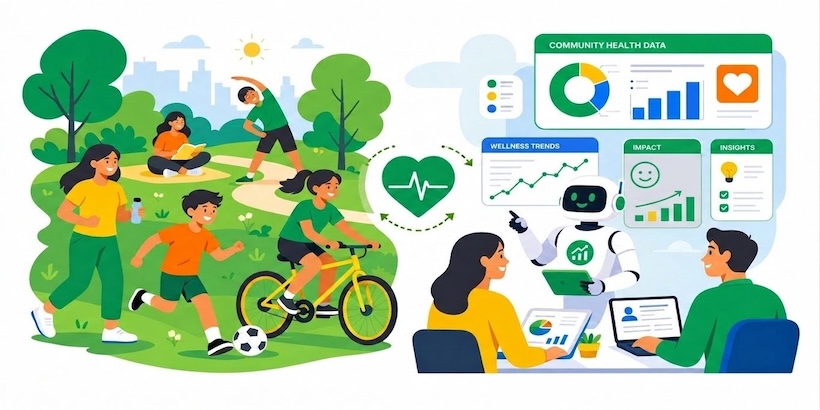
  13. GrabMart data for faster disease outbreak detection

    The organization proposes a conceptual data pipeline to analyze aggregated GrabMart transaction data for symptom-related product demand, aiming to supplement clinical surveillance for disease outbreaks. The design relies on data aggregation, statistical baseline comparisons, and privacy safeguards like differential privacy without involving individual health inference. The system remains in an early planning phase requiring rigorous validation, privacy review, and public health oversight.

    DEPTH ■■■■■5 min read12 days ago

    Data EngineeringMachine Learning

    Sign in to save and rate

  14. How to lighten design system upkeep with the Figma agent

    Design systems often suffer from maintenance overhead like documentation debt, naming inconsistencies, and drift between product screens and libraries. The Figma agent automates these upkeep tasks by drafting specs, auditing token and component usage, and bulk-replacing disconnected elements. This reduces manual toil and helps teams keep their design systems aligned with product work.

    DEPTH ■■■■■5 min read2 weeks ago

    Sign in to save and rate

  15. Behind the build: Generative plugins and shaders at Figma

    Figma developed generative plugins and shaders by replacing a prototype WebGL system with an enterprise-scale WebGPU pipeline, sandbox isolation, and custom UI kits. Through rapid prototyping and cross-functional collaboration, the team shipped the feature suite in two months for Config.

    DEPTH ■■■■■8 min read7 weeks ago

    Sign in to save and rate

  16. How do you actually measure the impact of AI on design?

    Figma conducted a multi-year research project to track the impact of AI on product design by building an AI sentiment index and running hundreds of AI-moderated interviews. To process the massive volume of qualitative data, the team engineered a custom thematic analysis tool and an internal dashboard to serve as a cross-functional source of truth. The results showed that AI's impact on workflows and collaboration nearly doubled over three years.

    DEPTH ■■■■■6 min read8 weeks ago

    Sign in to save and rate