/ THE FEED /

Read what ships.

Deep, recent reads ranked by depth and freshness.

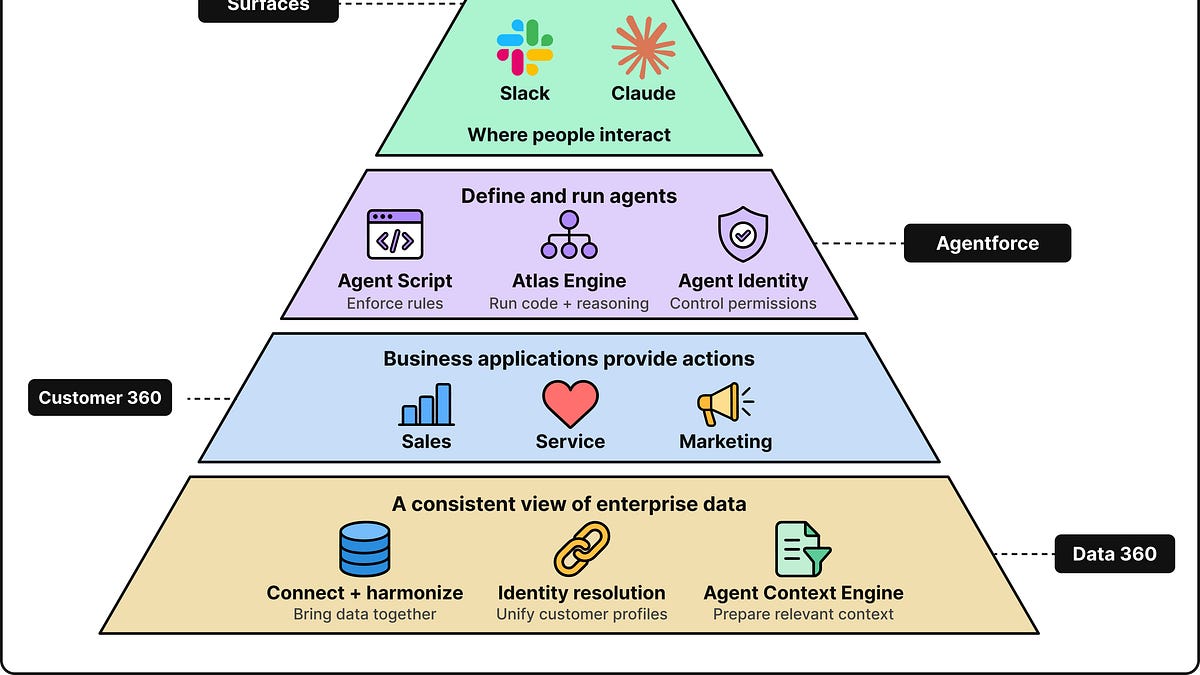
  1. A Deep Dive into Salesforce’s Agent Tech Stack

    Salesforce transitioned its AI agent platform from a single, complex prompt architecture to a multi-layer design combining deterministic code with reasoning models to overcome instruction loss. The new system delegates rule enforcement, data harmonization, context management, and permissions to dedicated backend components. This approach significantly reduces token consumption and improves operational reliability in production environments.

    DEPTH ■■■■■13 min readtoday
    Sign in to save and rate

  2. PHP2Shell: GitLab helps find and remediate critical PHP flaws

    Critical remote code execution vulnerabilities known as PHP2Shell affect the PHP engine across multiple versions, requiring immediate runtime updates to fixed versions or patched distribution packages. The team utilized platform features like container scanning, code search, and automated agent workflows to locate PHP projects and remediate vulnerabilities. Operators must also check logs and environments for signs of compromise as framework updates and input validations cannot prevent these engine-level flaws.

    DEPTH ■■■■■10 min read5 days ago

    ArchitectureSecurity

    Sign in to save and rate

  3. The bridge to agent-scale Git infrastructure

    GitHub faced infrastructure capacity limits and a 25ms cross-region network round trip when migrating repositories to Azure. The team changed the storage quorum from repository-wide locks to per-reference serialization and introduced ephemeral virtual replicas backed by object storage. This raised write throughput, prevented slow replicas from blocking traffic, and decoupled read scaling from the write quorum.

    DEPTH ■■■■■8 min read5 days ago

    Infrastructure

    Sign in to save and rate

  4. App stability at scale with a layered defense

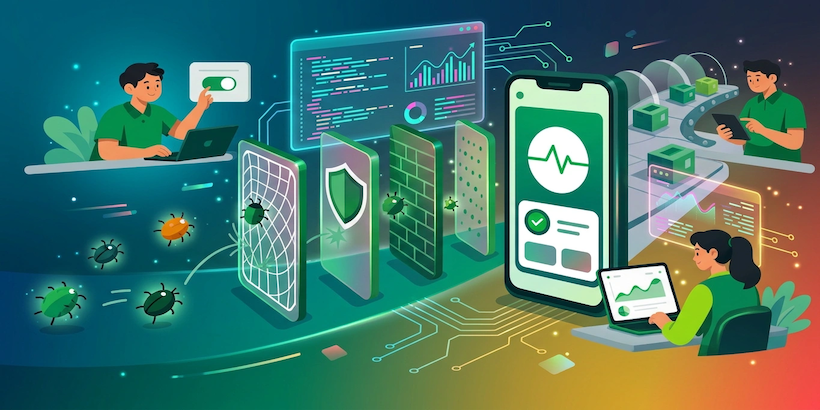
    To maintain app stability amidst rapid weekly releases and AI-generated code, Grab uses a layered defense strategy covering prevention, release gates, and incident response. This pipeline includes static analysis via custom lint rules, multiple tiers of automated and manual testing, a pre-production early access build, staged rollouts, and feature flags with instant kill switches. As a result, critical defects are caught early in the development lifecycle before reaching the wider production user base.

    DEPTH ■■■■■16 min read6 days ago

    MobileReliability

    Sign in to save and rate

  5. The Thin Orchestrator: How We Made Our AI Agents More Reliable by Giving the Router Less to Do

    Meta engineers reduced hallucinations and improved reliability in their data pipeline agents by replacing a single heavyweight LLM orchestrator with a thin deterministic router and fourteen specialized subagents. The thin orchestrator handles routing and reliability checks through a fixed protocol, while isolated subagents execute domain reasoning. This architecture reduced configuration preparation time from a day to under an hour.

    DEPTH ■■■■■7 min read7 days ago

    Machine Learning

    Sign in to save and rate

  6. MCP standardized tools. Now we need the infrastructure around them.

    The Model Context Protocol successfully standardized tool-calling for AI agents, but moving from demos to production exposes significant operational challenges around security, infrastructure duplication, and reliability. Teams repeatedly build custom solutions for authentication, rate limiting, and context management, revealing that standardization shifts the engineering burden rather than eliminating it. Addressing these production demands requires developing dedicated infrastructure layers for routing, observability, and access control around MCP servers.

    DEPTH ■■■■■8 min read11 days ago

    Machine Learning

    Sign in to save and rate

  7. When Software Meets Hardware

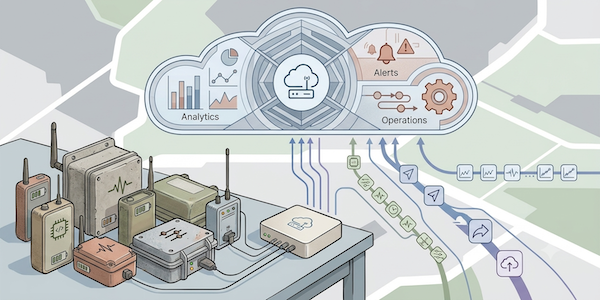
    A software engineering team modernizing a large-scale retail IoT system of 800,000 battery-powered sensors faced challenges integrating software practices with embedded hardware. By building physical sensor farms, virtual emulators, and self-diagnosing firmware, the team learned to design for intermittent connectivity, power efficiency, and fleet-level observability. The project succeeded by treating the physical world, hardware constraints, and engineering environments as core parts of the system lifecycle.

    DEPTH ■■■■■12 min read11 days ago

    Sign in to save and rate

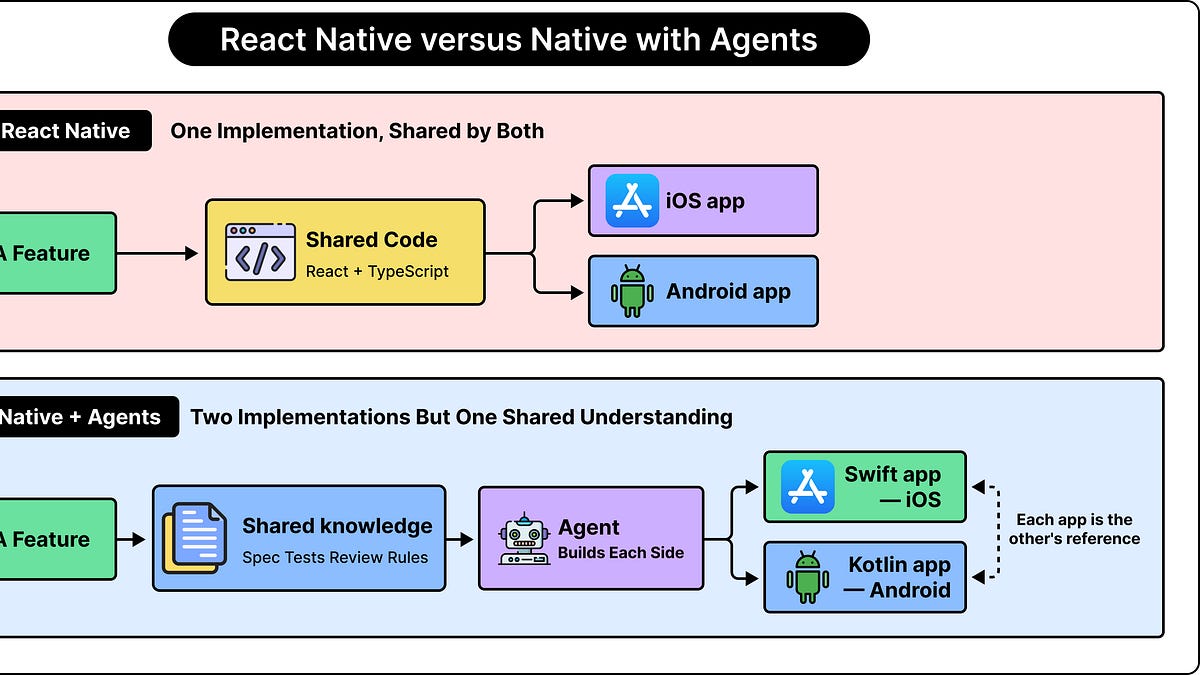
  8. Why Shopify Migrated From React Native

    Shopify migrated its mobile applications from React Native to native Swift and Kotlin because AI coding agents made the cost of duplicating features across platforms negligible. Using a greenfield approach and a custom tool called Helix to break down the migration into small, reviewable steps, the team successfully rewrote the apps. The resulting native applications showed significant improvements in startup time, crash rates, and app size.

    DEPTH ■■■■■11 min read6 days ago

    Sign in to save and rate

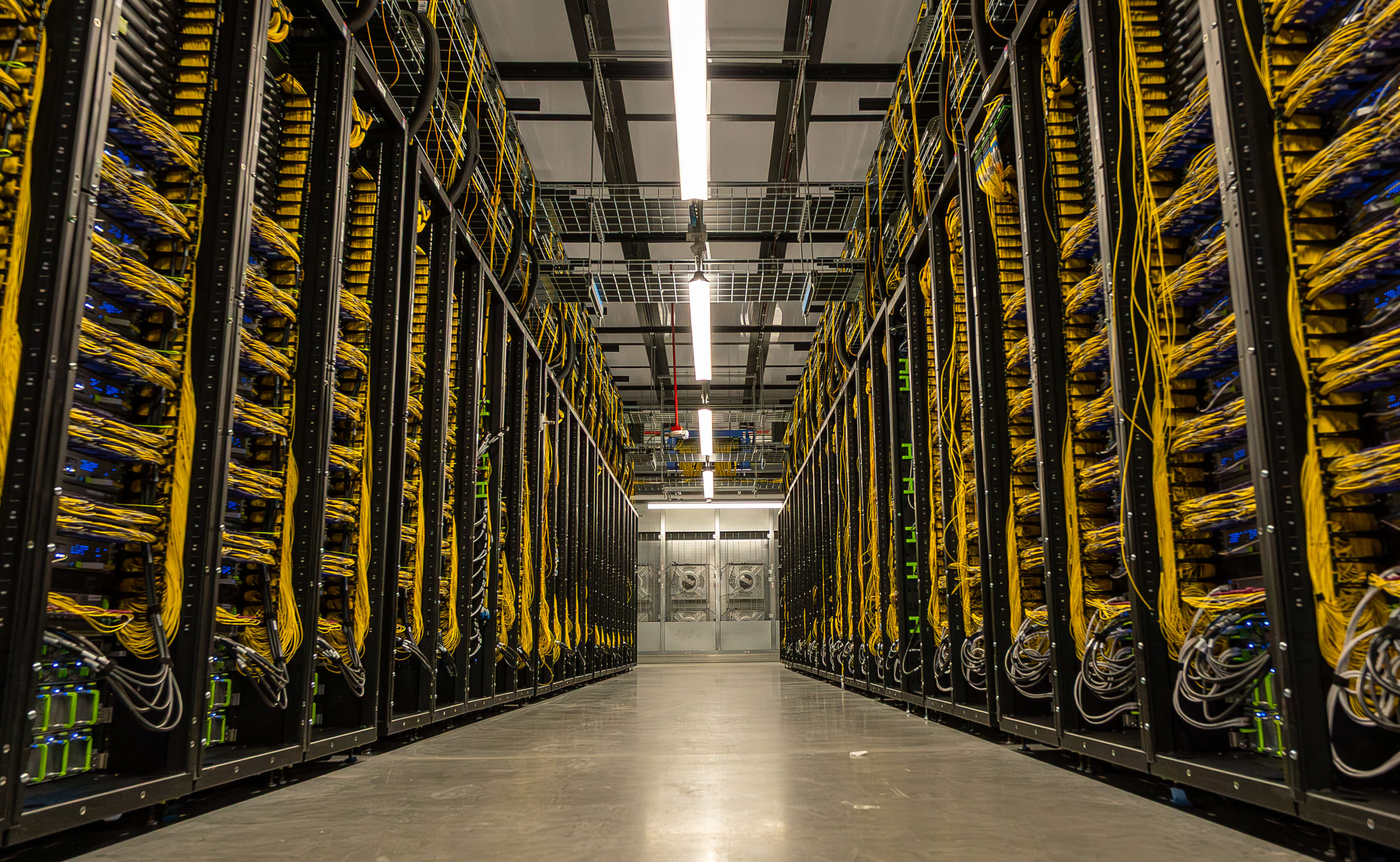
  9. Inside Prometheus: Meta’s Journey to a Gigawatt-Scale Supercluster

    Meta built Prometheus, a gigawatt-scale AI supercluster designed to scale up to one million GPUs using multi-generation NVIDIA hardware and specialized backend Ethernet networks. The team achieved high goodput and significantly reduced system interruptions by implementing an in-rack sparing strategy, parallelism-aware fault tolerance, and close co-engineering with vendors. These infrastructure advancements allowed the team to successfully train frontier foundational models like Muse Wonder.

    DEPTH ■■■■■17 min read7 days ago

    InfrastructureMachine Learning

    Sign in to save and rate

  10. Sentry JavaScript SDK v11 adds tracing for all JS platforms

    Sentry replaced its OpenTelemetry-based JavaScript SDK instrumentation with a source-code transformation approach using diagnostics channels in version 11. This change removes reliance on Node-specific module loader hooks, enabling reliable tracing across non-Node runtimes like Deno, Bun, and Cloudflare Workers, while also supporting bundled applications. The result is a simplified architecture that reduces bundle weight and fixes previous limitations with load order and immutable exports.

    DEPTH ■■■■■13 min read2 weeks ago

    Sign in to save and rate

  11. From 2,500 requests to 24: Rebuilding star history without the stargazers

    GitHub faced abuse and performance issues because tools were scraping user identities to reconstruct repository star history. The engineering team collaborated with maintainers to build a purpose-built aggregate endpoint that returns daily star counts without identities and filters by time before aggregation. This reduced request volume from thousands to a few dozen and eliminated heavy database scans.

    DEPTH ■■■■■8 min read12 days ago

    Microservices

    Sign in to save and rate

  12. Are Harnesses Worth the Cost?

    An experiment was conducted to evaluate whether behavioral harnesses improve coding agent reliability when building a complex backend-for-frontend service. While frontier models succeeded consistently with or without a harness, the harness significantly increased token usage, time, and cost without improving final output. However, for a cost-optimized model, the harness improved success rates from 30 percent to 100 percent.

    DEPTH ■■■■■17 min read13 days ago

    Sign in to save and rate

  13. Make every AI credit count: See, cap, and reduce agent spend

    Uncontrolled AI agent spending can be mitigated by combining open-weight models, centralized context graphs to reduce retries, and usage analytics with credit caps. GitLab introduced these capabilities in its Duo Agent Platform to help platform teams trace, limit, and optimize AI credit consumption. The resulting architecture matches specific tasks to lower-cost models while maintaining task completion quality.

    DEPTH ■■■■■6 min read2 weeks ago

    Sign in to save and rate

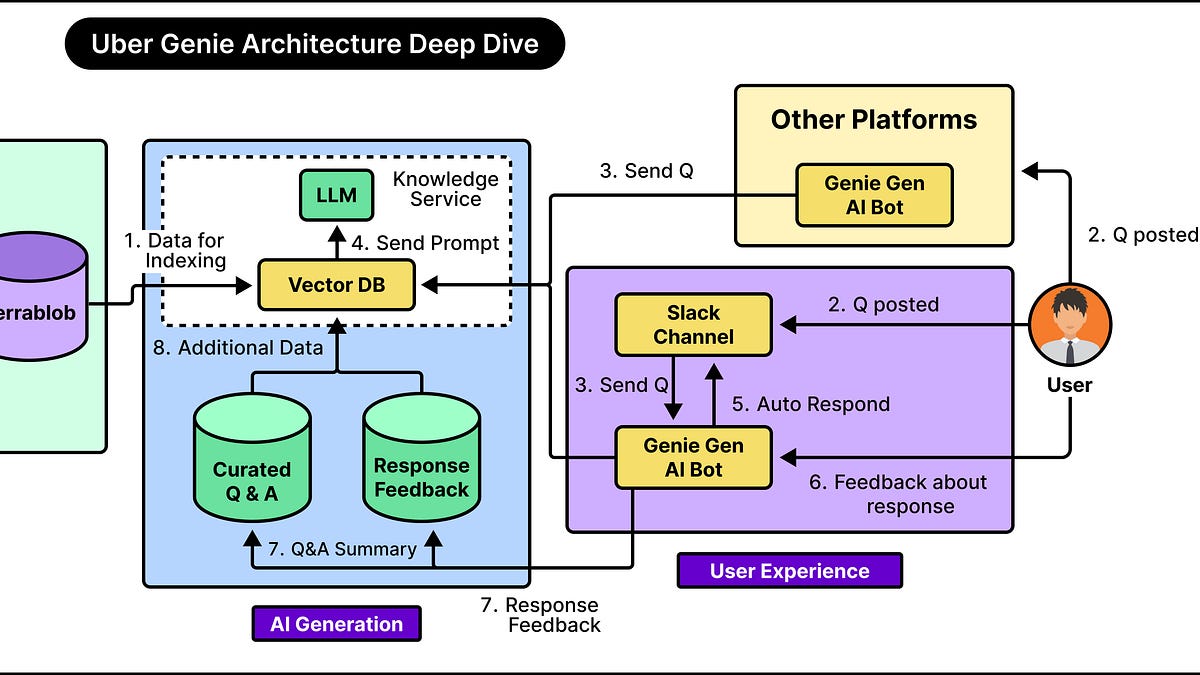
  14. How Uber Built a Genie to Answer Questions Correctly

    Uber built an internal AI assistant called Genie to answer engineering support questions directly within Slack. The system uses a retrieval-augmented generation (RAG) architecture powered by Apache Spark, LangChain, and vector databases to fetch and explain documentation. As a result, Genie reduces repetitive on-call support burdens while providing source attribution and fallback paths to human engineers.

    DEPTH ■■■■■13 min read7 days ago

    Sign in to save and rate

  15. How Meta Built Forum With AI-Native Engineering

    Meta engineers built the Forum app using a human-on-the-loop AI agent workflow that automated planning, building, testing, and verification. By shifting focus from code generation to automated verification, tooling improvements, and architectural legibility, the team reached feature parity in eight weeks while catching systemic memory issues early.

    DEPTH ■■■■■8 min read11 days ago

    FrontendMobile

    Sign in to save and rate

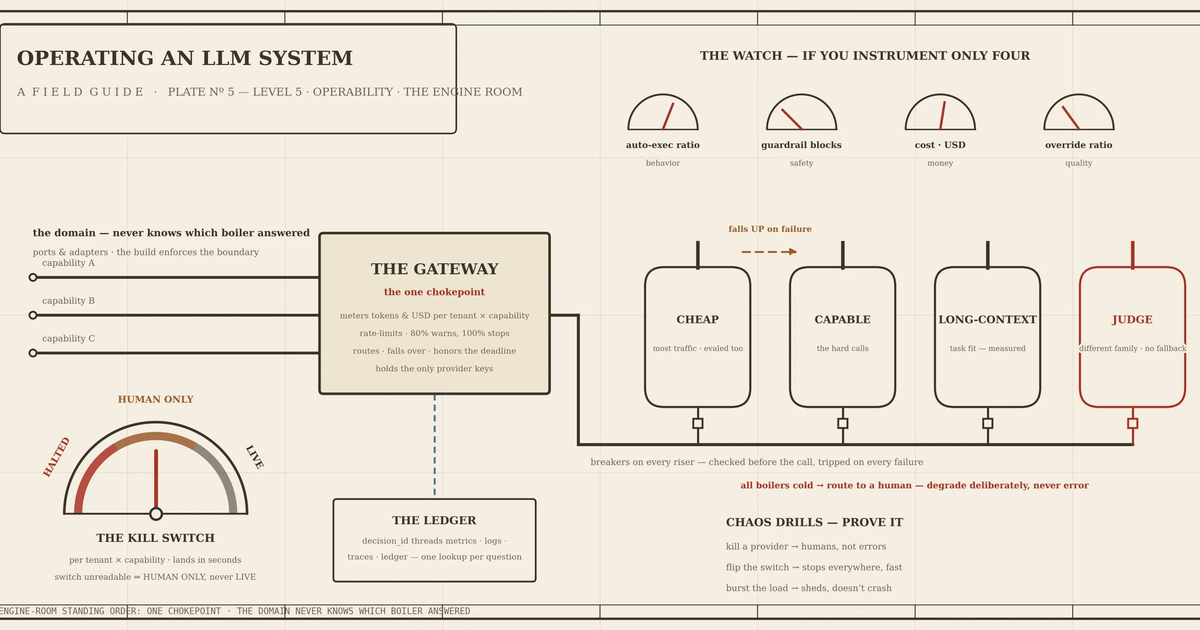
  16. Part 5: Operating an LLM system: observability, cost, routing, and the platform underneath

    This post provides a concrete specification for the operability layer of production LLM systems, covering observability signals, structured logging, cost controls, routing, and failover mechanisms. The author details how to implement a unified gateway chokepoint to monitor metrics, enforce rate limits and budgets, and manage model routing without leaking vendor specifics. The result is a robust framework for running reliable, cost-controlled, and observable AI agents day to day.

    DEPTH ■■■■■19 min read2 weeks ago

    Machine Learning

    Sign in to save and rate

  17. Reducing Android scope-sync overhead in Sentry Flutter

    The Sentry Flutter team investigated scope-sync overhead on Android and found redundant data normalization across isolates alongside unnecessary buffer copies during JSON encoding. By removing the duplicate normalization and encoding directly to UTF-8 bytes, the team reduced processing time by 27 to 30 percent across benchmarked payloads.

    DEPTH ■■■■■4 min read2 weeks ago

    Sign in to save and rate

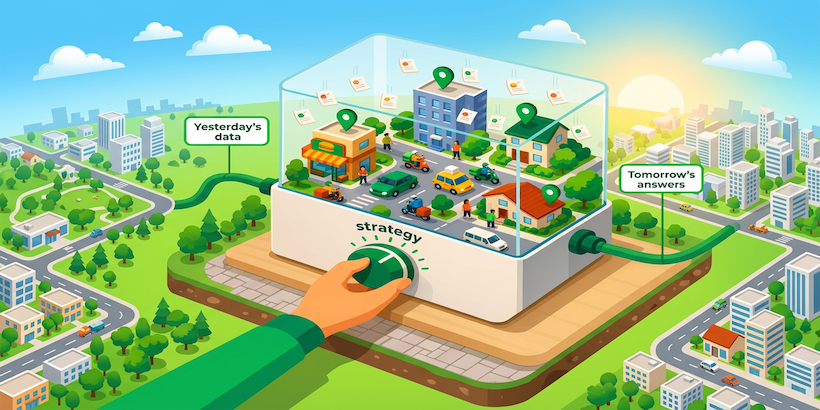
  18. Powering AI-led research through simulation

    The engineering team built a self-contained simulation platform called sim-rs to model marketplace dispatch dynamics and accelerate experimentation. By connecting automated software agents to this simulator with strict safety safeguards, the team successfully optimized strategy policies and simulator performance. This closed-loop lab environment allows agents to test ideas rapidly while ensuring that only valid, production-ready improvements are produced.

    DEPTH ■■■■■10 min read3 weeks ago

    Machine Learning

    Sign in to save and rate

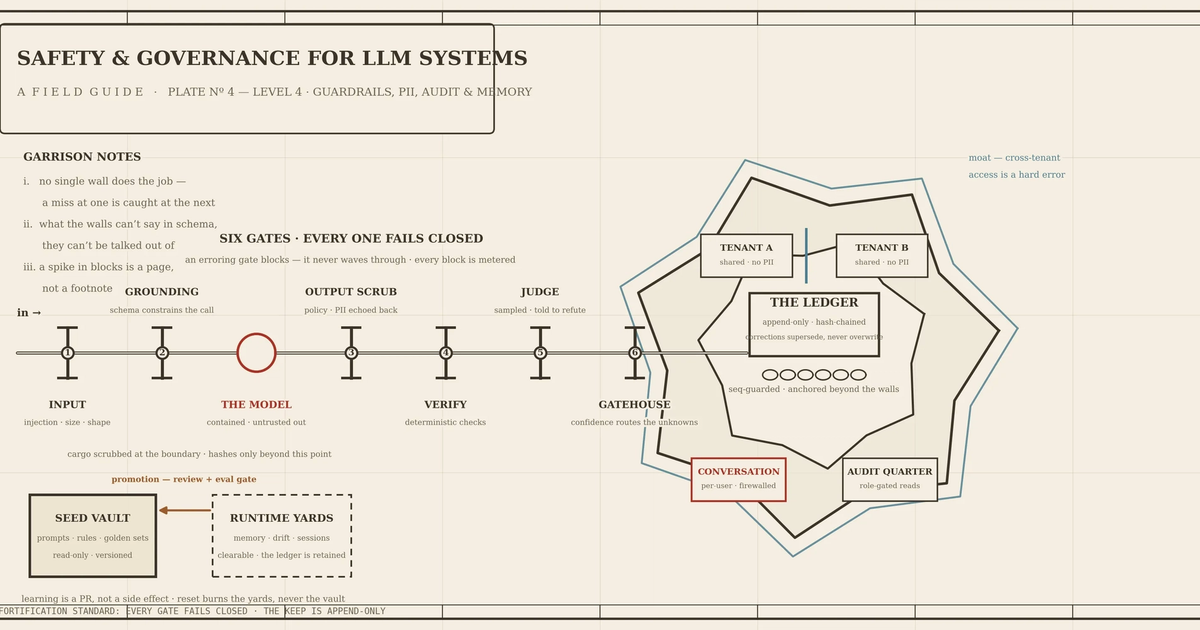
  19. Part 4: Safety and governance for LLM systems: guardrails, PII, audit, and memory

    This post details safety and governance practices for LLM systems, focusing on layered guardrails, boundary-level PII handling, and immutable audit trails. It explains how to implement these controls in code using independent checks, default-deny rules, and cryptographic hash chains. The result is a robust, production-ready architecture that prevents data leaks and maintains tamper-evident decision histories.

    DEPTH ■■■■■19 min read2 weeks ago

    Machine Learning

    Sign in to save and rate

  20. Meta’s Generative Ads Model (GEM): Scaling the Central Model and Compute Engine for Frontier Ads AI

    Meta developed GEM, a unified recommendation foundation model using an LLM-style architecture called Kunlun to handle heterogeneous ads data across multiple surfaces. The team implemented block attention, custom low-precision kernels, and post-training intelligence transfer techniques like LoopFM and Solaris to scale training efficiency and bypass real-time serving latency bottlenecks. The resulting system delivered an 18.9% conversion improvement and a 12% click-through rate increase across Meta ads surfaces.

    DEPTH ■■■■■15 min read13 days ago

    Machine Learning

    Sign in to save and rate