/ THE FEED /

Read what ships.

Deep, recent reads ranked by depth and freshness.

  1. Inside Prometheus: Meta’s Journey to a Gigawatt-Scale Supercluster

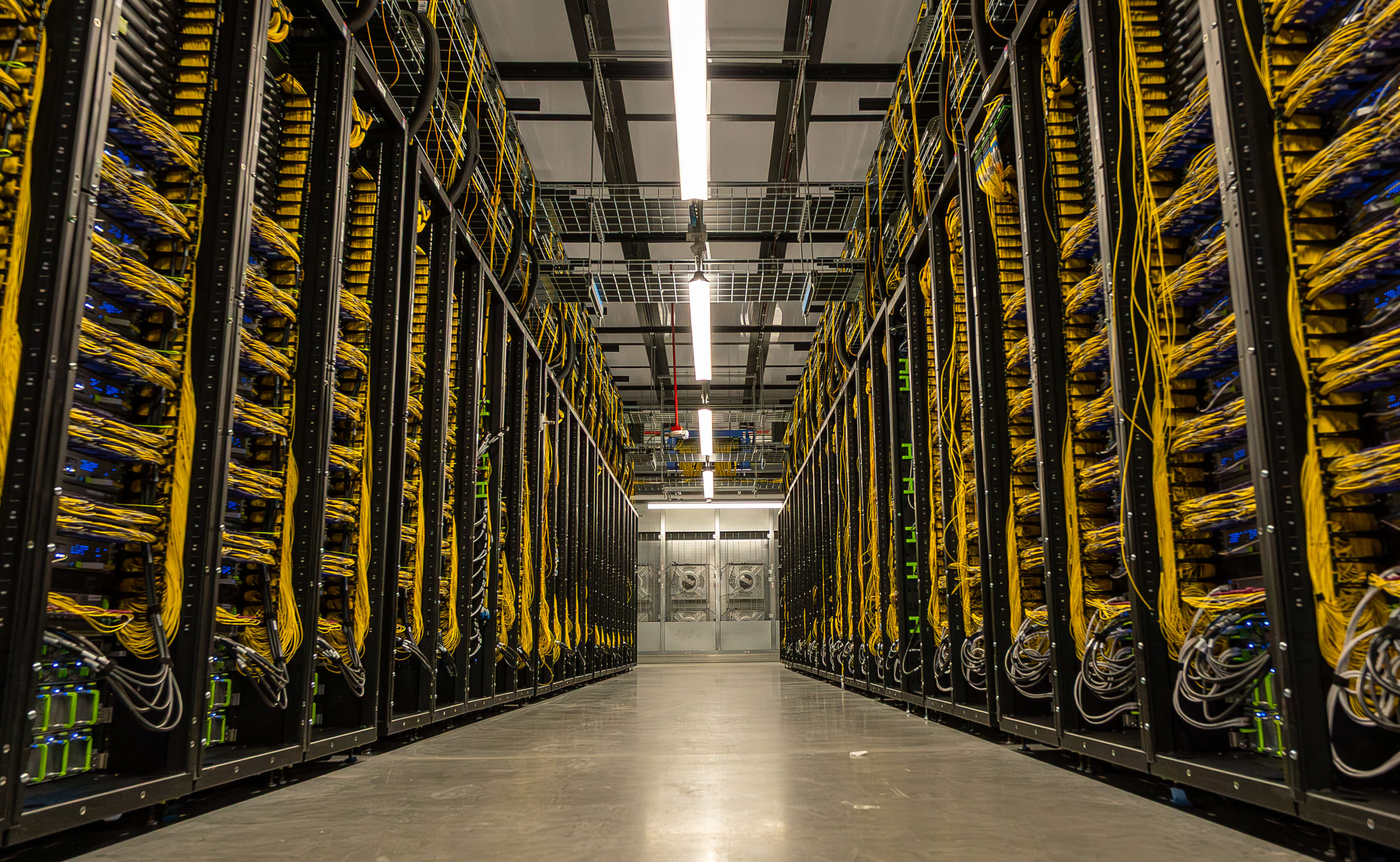
    Meta built Prometheus, a gigawatt-scale AI supercluster designed to scale up to one million GPUs using multi-generation NVIDIA hardware and specialized backend Ethernet networks. The team achieved high goodput and significantly reduced system interruptions by implementing an in-rack sparing strategy, parallelism-aware fault tolerance, and close co-engineering with vendors. These infrastructure advancements allowed the team to successfully train frontier foundational models like Muse Wonder.

    DEPTH ■■■■■17 min read6 days ago
    InfrastructureMachine Learning

    Sign in to save and rate

  2. Rewinding the exponential: How we keep hardware usage down

    Cloudflare tackled exponential traffic growth against linear hardware growth by continuously evolving their data pipeline architecture over five years. Key optimizations included breaking up monolithic schemas, switching to zstd compression, decoupling pipeline transit from database replication, decentralizing sampling, and moving aggregations earlier in the pipeline. These strategies significantly reduced backbone bandwidth usage, network congestion, and storage requirements while preserving data quality.

    DEPTH ■■■■■12 min read12 days ago

    Infrastructure

    Sign in to save and rate

  3. How Meta Built Forum With AI-Native Engineering

    Meta engineers built the Forum app using a human-on-the-loop AI agent workflow that automated planning, building, testing, and verification. By shifting focus from code generation to automated verification, tooling improvements, and architectural legibility, the team reached feature parity in eight weeks while catching systemic memory issues early.

    DEPTH ■■■■■8 min read10 days ago

    FrontendMobile

    Sign in to save and rate

  4. 2026 World Cup: Breaking Records, Spiky Charts and Reliability at Scale

    Meta's infrastructure handled record-breaking traffic during the 2026 World Cup, including 30 million messages per second on WhatsApp, by relying on automated load balancing, capacity buffers, and targeted pre-builds. Traffic patterns revealed that surges occurred primarily during breaks rather than gameplay, requiring region-specific forecasting rather than cross-region load shifting. The systems maintained full reliability and allowed normal continuous deployment schedules to continue without manual intervention or system freezes.

    DEPTH ■■■■■5 min read10 days ago

    Infrastructure

    Sign in to save and rate

  5. Shipping Media Over QUIC at Meta Scale for Instagram Live Ingest

    Meta deployed the emerging Media over QUIC (MoQ) protocol for Instagram Live ingest on iOS and Android to replace their legacy RUSH protocol. By using edge translation to avoid backend rewrites and a phased rollout strategy, the team achieved metric parity with the old protocol without regressions. This deployment establishes a foundation to extend MoQ across Meta's applications for lower-latency and more resilient video streaming.

    DEPTH ■■■■■8 min read13 days ago

    FrontendMobile

    Sign in to save and rate