/ THE FEED /

Read what ships.

Deep, recent reads ranked by depth and freshness.

  1. The Thin Orchestrator: How We Made Our AI Agents More Reliable by Giving the Router Less to Do

    Meta engineers reduced hallucinations and improved reliability in their data pipeline agents by replacing a single heavyweight LLM orchestrator with a thin deterministic router and fourteen specialized subagents. The thin orchestrator handles routing and reliability checks through a fixed protocol, while isolated subagents execute domain reasoning. This architecture reduced configuration preparation time from a day to under an hour.

    DEPTH ■■■■■7 min read6 days ago
    Machine Learning

    Sign in to save and rate

  2. Inside Prometheus: Meta’s Journey to a Gigawatt-Scale Supercluster

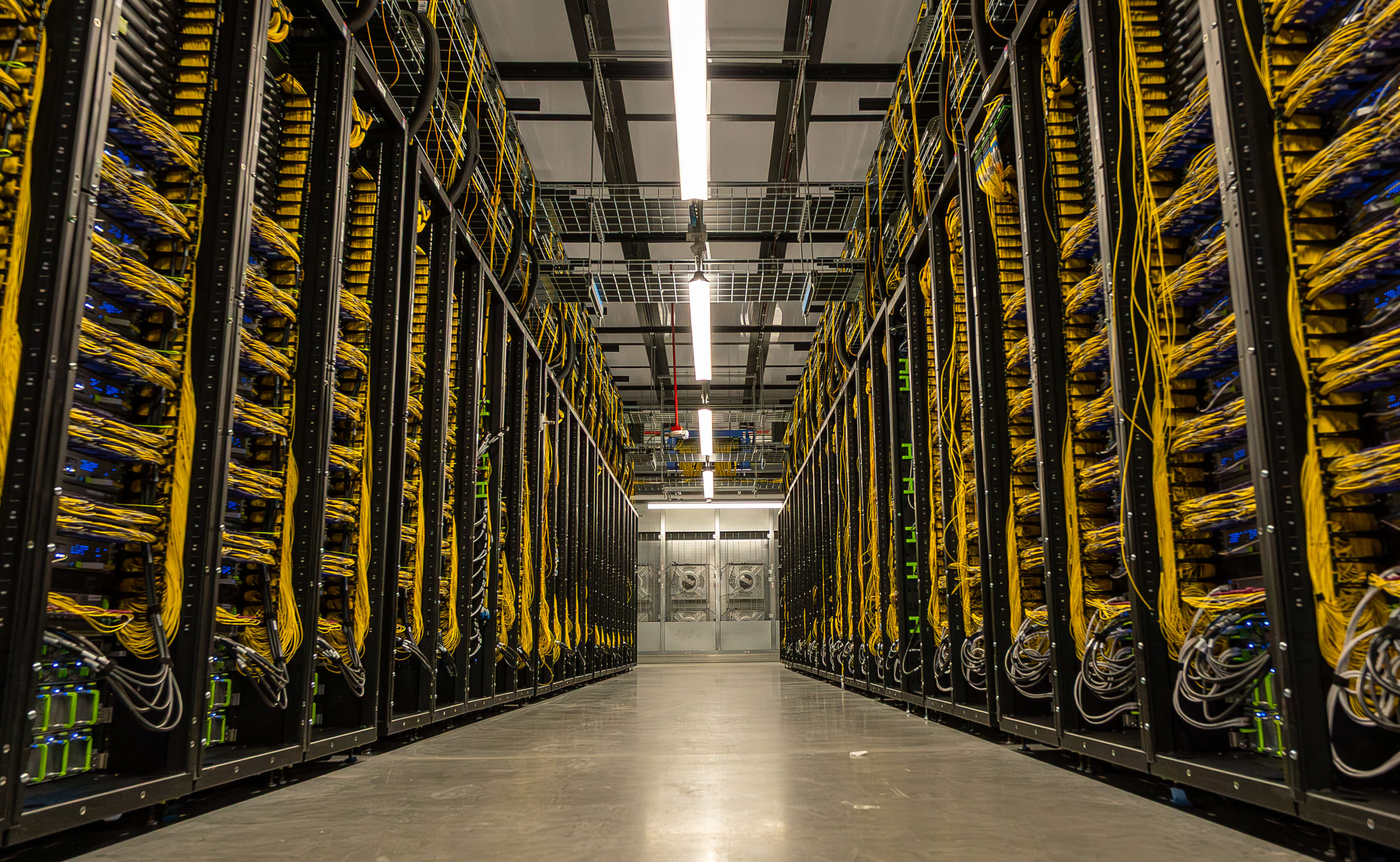
    Meta built Prometheus, a gigawatt-scale AI supercluster designed to scale up to one million GPUs using multi-generation NVIDIA hardware and specialized backend Ethernet networks. The team achieved high goodput and significantly reduced system interruptions by implementing an in-rack sparing strategy, parallelism-aware fault tolerance, and close co-engineering with vendors. These infrastructure advancements allowed the team to successfully train frontier foundational models like Muse Wonder.

    DEPTH ■■■■■17 min read6 days ago

    InfrastructureMachine Learning

    Sign in to save and rate

  3. Meta’s Generative Ads Model (GEM): Scaling the Central Model and Compute Engine for Frontier Ads AI

    Meta developed GEM, a unified recommendation foundation model using an LLM-style architecture called Kunlun to handle heterogeneous ads data across multiple surfaces. The team implemented block attention, custom low-precision kernels, and post-training intelligence transfer techniques like LoopFM and Solaris to scale training efficiency and bypass real-time serving latency bottlenecks. The resulting system delivered an 18.9% conversion improvement and a 12% click-through rate increase across Meta ads surfaces.

    DEPTH ■■■■■15 min read12 days ago

    Machine Learning

    Sign in to save and rate

  4. OCP Summit 2026: Powering AI with Open Innovations in Scale-Up, Scale-Out, and Scale-Across Networks

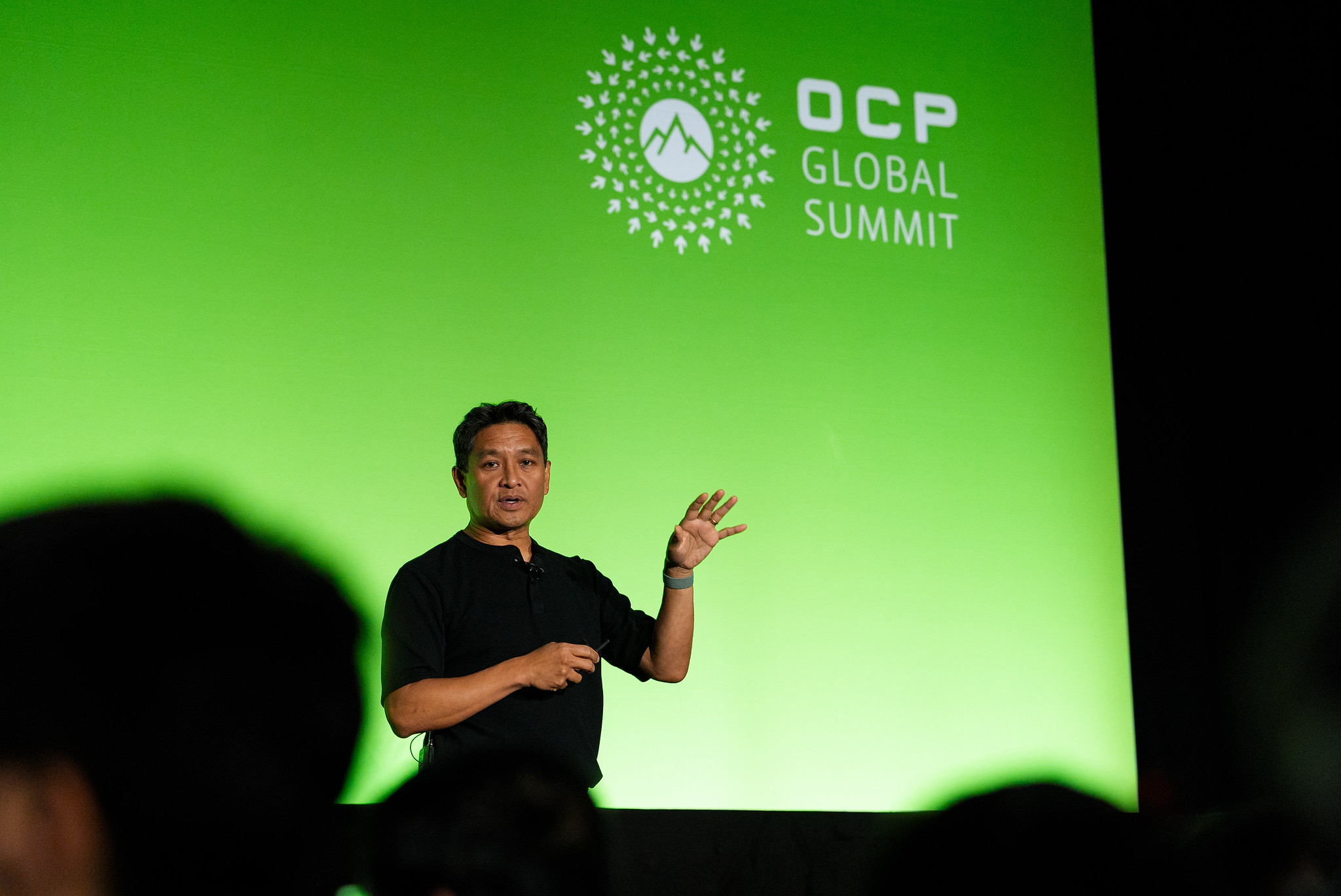
    Meta shared its next-generation open networking infrastructure for AI at the OCP Summit 2026, including liquid-cooled 102.4T switch platforms, multiplane scale-out fabrics, and Ethernet-based scale-up solutions. The team also highlighted collaborative industry standards like ESUN and OSPA to unify hardware and transport layers. These open innovations aim to support massive gigawatt-scale AI clusters across diverse data center environments.

    DEPTH ■■■■■12 min read12 days ago

    Machine Learning

    Sign in to save and rate

  5. GenRecs Tokenization: Transforming Ads Recommendation at Meta with Stable Model Vocabulary

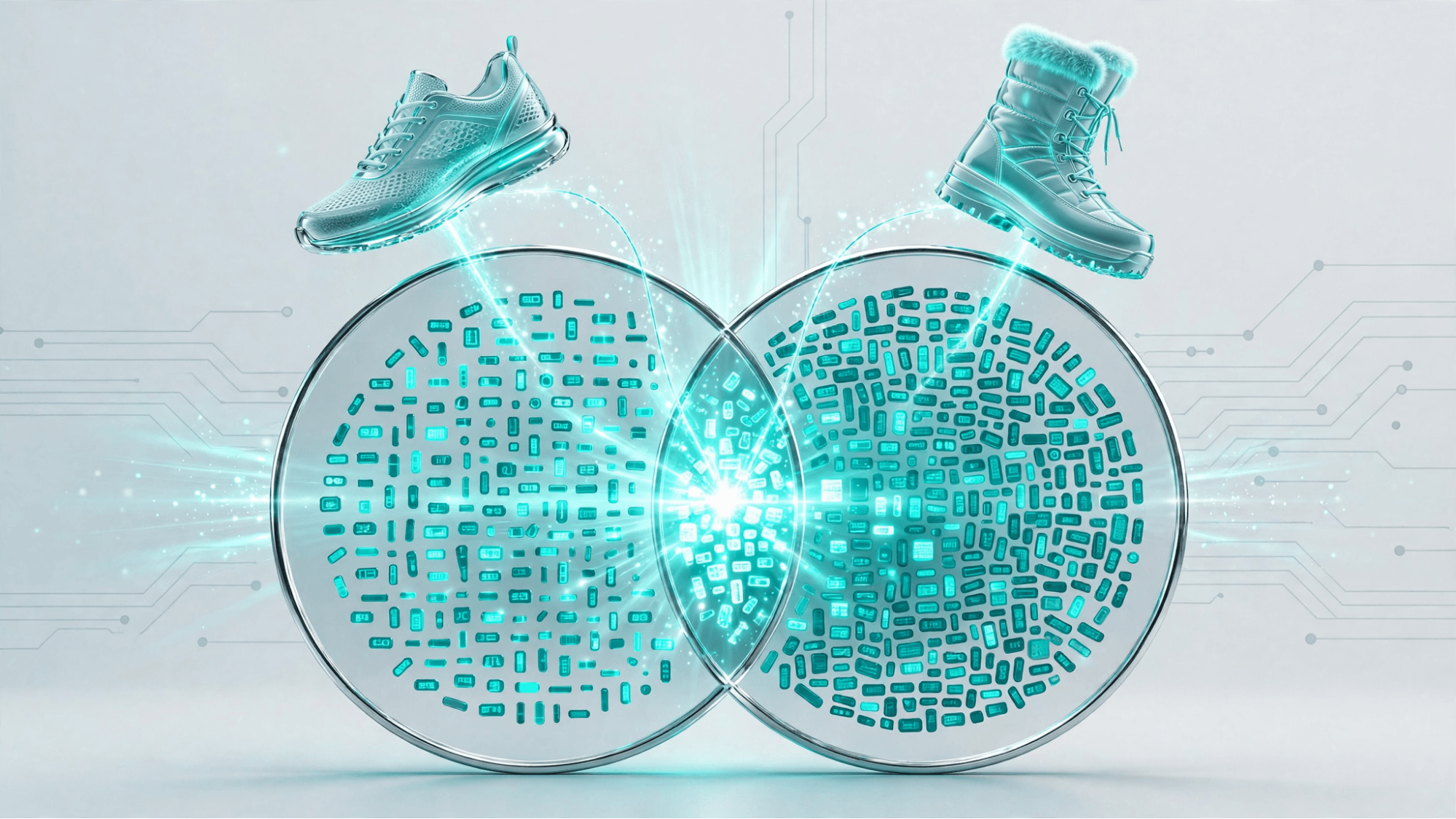
    Meta implemented GenRecs Tokenization to replace dedicated item IDs with a stable semantic vocabulary for ads recommendation. Using a three-stage encoding and quantization pipeline, the system enables language models to reason about ad content and user preferences simultaneously. This approach resulted in a +0.35% lift in conversions and improved cold-start performance for new entities.

    DEPTH ■■■■■6 min read6 days ago

    Machine Learning

    Sign in to save and rate