/ THE FEED /

Read what ships.

Deep, recent reads ranked by depth and freshness.

  1. The Thin Orchestrator: How We Made Our AI Agents More Reliable by Giving the Router Less to Do

    Meta engineers reduced hallucinations and improved reliability in their data pipeline agents by replacing a single heavyweight LLM orchestrator with a thin deterministic router and fourteen specialized subagents. The thin orchestrator handles routing and reliability checks through a fixed protocol, while isolated subagents execute domain reasoning. This architecture reduced configuration preparation time from a day to under an hour.

    DEPTH ■■■■■7 min read6 days ago
    Machine Learning

    Sign in to save and rate

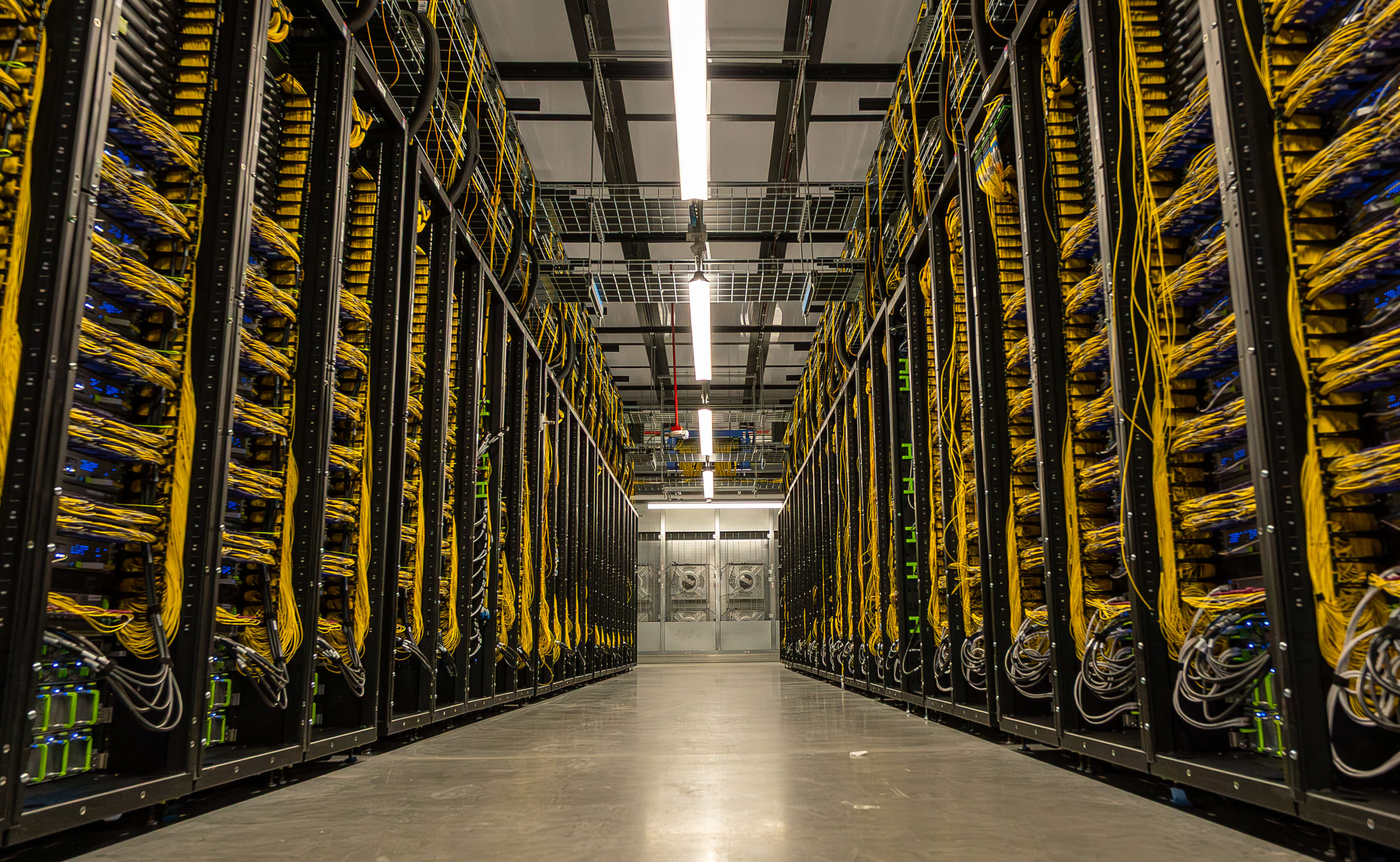
  2. Inside Prometheus: Meta’s Journey to a Gigawatt-Scale Supercluster

    Meta built Prometheus, a gigawatt-scale AI supercluster designed to scale up to one million GPUs using multi-generation NVIDIA hardware and specialized backend Ethernet networks. The team achieved high goodput and significantly reduced system interruptions by implementing an in-rack sparing strategy, parallelism-aware fault tolerance, and close co-engineering with vendors. These infrastructure advancements allowed the team to successfully train frontier foundational models like Muse Wonder.

    DEPTH ■■■■■17 min read6 days ago

    InfrastructureMachine Learning

    Sign in to save and rate

  3. The Shift to cgroup v2 in Kubernetes: What You Need to Know

    Kubernetes has deprecated cgroup v1 in favor of cgroup v2, with complete removal scheduled for future releases. The transition requires migrating Linux nodes, updating container runtimes, and verifying kernel compatibility. Adopting cgroup v2 enables advanced features such as Memory QoS, improved OOM handling, and pressure stall information metrics.

    DEPTH ■■■■■12 min read2 weeks ago

    Sign in to save and rate

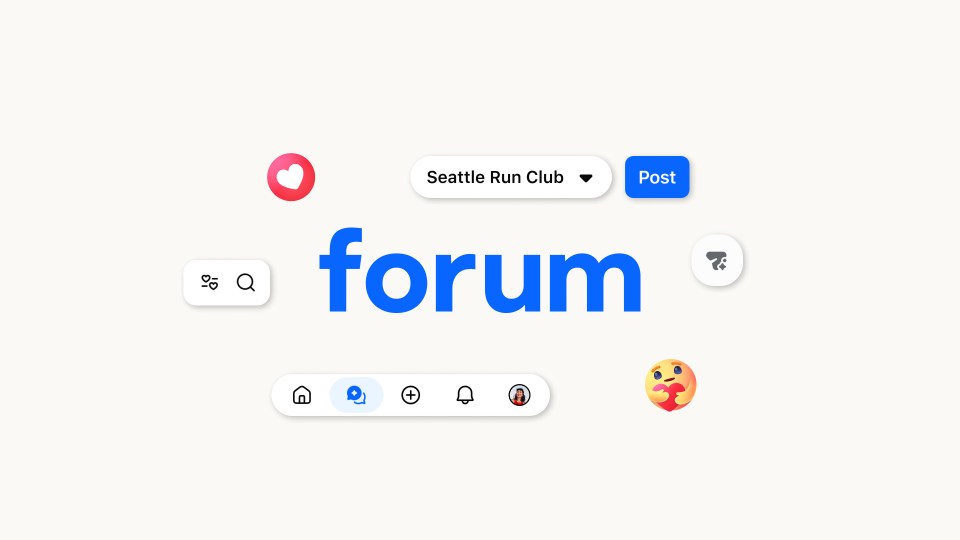
  4. How Meta Built Forum With AI-Native Engineering

    Meta engineers built the Forum app using a human-on-the-loop AI agent workflow that automated planning, building, testing, and verification. By shifting focus from code generation to automated verification, tooling improvements, and architectural legibility, the team reached feature parity in eight weeks while catching systemic memory issues early.

    DEPTH ■■■■■8 min read10 days ago

    FrontendMobile

    Sign in to save and rate

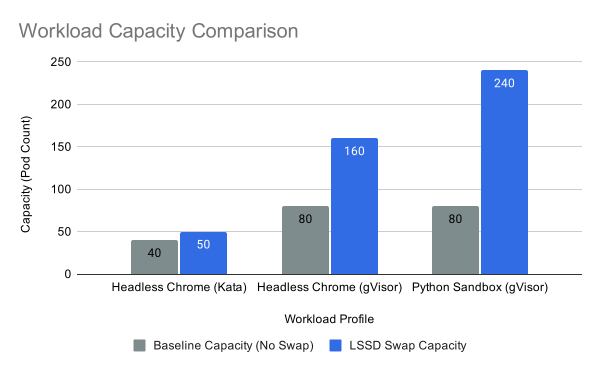
  5. Scaling Kubernetes Workloads with Node Swap

    Kubernetes memory limits often cap node density for bursty agentic AI workloads that sit idle with large memory footprints. To solve this, the engineering team benchmarked Kubernetes v1.34 node swap backed by fast NVMe Local SSDs across CI/CD builds, headless browsers, and Python sandboxes. The approach successfully increased pod density up to three times without significant latency costs.

    DEPTH ■■■■■6 min read2 weeks ago

    Sign in to save and rate

  6. Meta’s Generative Ads Model (GEM): Scaling the Central Model and Compute Engine for Frontier Ads AI

    Meta developed GEM, a unified recommendation foundation model using an LLM-style architecture called Kunlun to handle heterogeneous ads data across multiple surfaces. The team implemented block attention, custom low-precision kernels, and post-training intelligence transfer techniques like LoopFM and Solaris to scale training efficiency and bypass real-time serving latency bottlenecks. The resulting system delivered an 18.9% conversion improvement and a 12% click-through rate increase across Meta ads surfaces.

    DEPTH ■■■■■15 min read12 days ago

    Machine Learning

    Sign in to save and rate

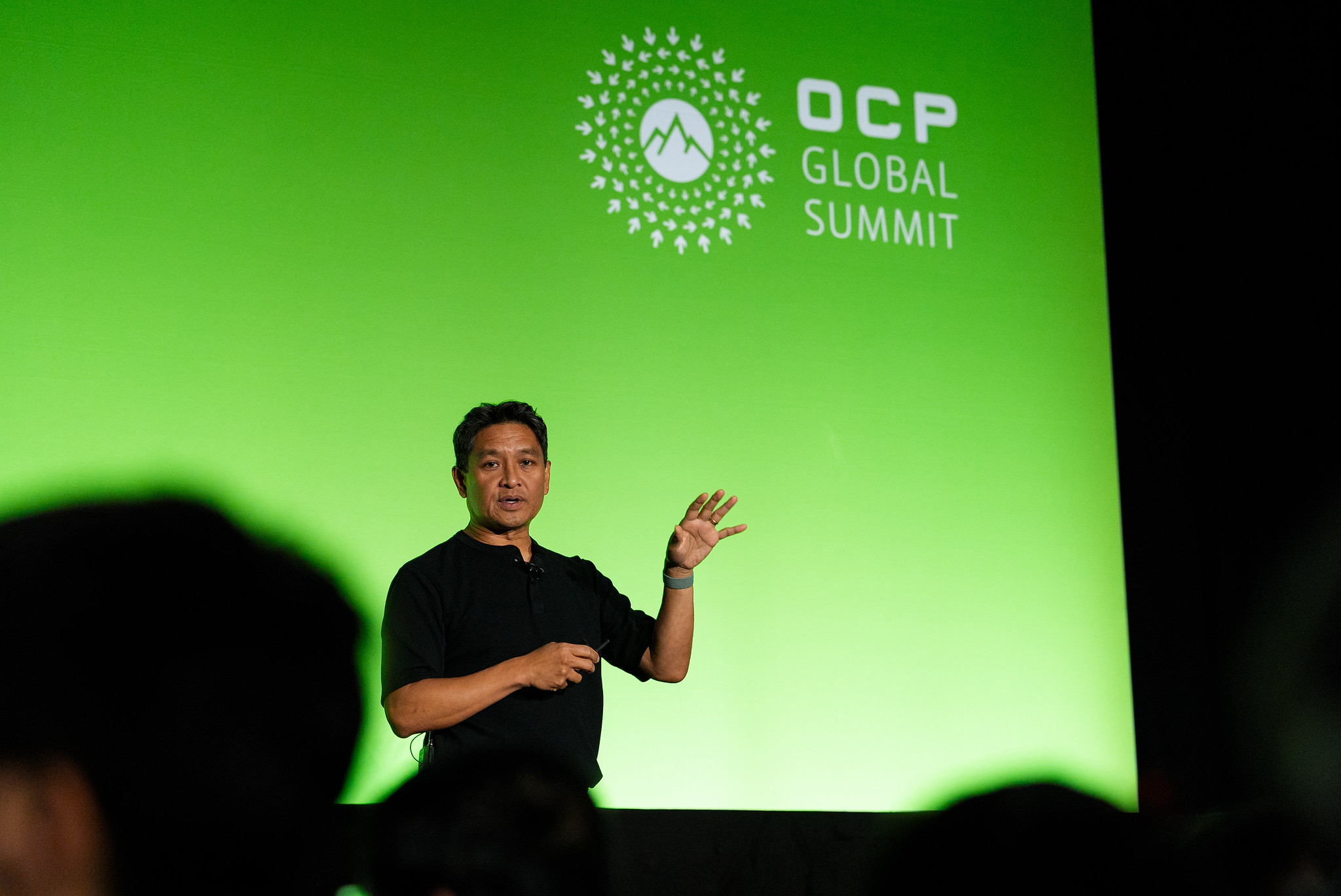
  7. OCP Summit 2026: Powering AI with Open Innovations in Scale-Up, Scale-Out, and Scale-Across Networks

    Meta shared its next-generation open networking infrastructure for AI at the OCP Summit 2026, including liquid-cooled 102.4T switch platforms, multiplane scale-out fabrics, and Ethernet-based scale-up solutions. The team also highlighted collaborative industry standards like ESUN and OSPA to unify hardware and transport layers. These open innovations aim to support massive gigawatt-scale AI clusters across diverse data center environments.

    DEPTH ■■■■■12 min read12 days ago

    Machine Learning

    Sign in to save and rate

  8. Safer for Teens, Same Discord for Adults

    Discord developed a privacy-preserving age assurance and estimation system to comply with expanding global regulations while keeping adult experiences unchanged. By analyzing account metadata and patterns rather than private messages, the system automatically classifies over 90 percent of users into age groups. Users can also verify their status through alternative methods like credit cards or platform app stores if automated classification is incorrect.

    DEPTH ■■■■■18 min read4 weeks ago

    Sign in to save and rate

  9. GenRecs Tokenization: Transforming Ads Recommendation at Meta with Stable Model Vocabulary

    Meta implemented GenRecs Tokenization to replace dedicated item IDs with a stable semantic vocabulary for ads recommendation. Using a three-stage encoding and quantization pipeline, the system enables language models to reason about ad content and user preferences simultaneously. This approach resulted in a +0.35% lift in conversions and improved cold-start performance for new entities.

    DEPTH ■■■■■6 min read6 days ago

    Machine Learning

    Sign in to save and rate

  10. Why Is My Kubernetes Job Still Pending? Tracing Kueue Admission with Headlamp

    Kubernetes jobs managed by Kueue can remain pending while waiting for admission checks and resource allocation. The team implemented a Kueue plugin for Headlamp to trace pending workloads through local queues, cluster queues, and resource flavors within a unified interface. This approach allows engineers to quickly determine whether a job is blocked by admission policies or standard pod scheduling.

    DEPTH ■■■■■9 min read11 days ago

    Sign in to save and rate

  11. 2026 World Cup: Breaking Records, Spiky Charts and Reliability at Scale

    Meta's infrastructure handled record-breaking traffic during the 2026 World Cup, including 30 million messages per second on WhatsApp, by relying on automated load balancing, capacity buffers, and targeted pre-builds. Traffic patterns revealed that surges occurred primarily during breaks rather than gameplay, requiring region-specific forecasting rather than cross-region load shifting. The systems maintained full reliability and allowed normal continuous deployment schedules to continue without manual intervention or system freezes.

    DEPTH ■■■■■5 min read10 days ago

    Infrastructure

    Sign in to save and rate

  12. Discord Update: September 25, 2026

    Discord released product updates including system-wide echo cancellation for Windows clients, along with various UI and feature changes. The engineering team also upgraded the React Native version for mobile and Electron for desktop, yielding measurable CPU and launch performance improvements. These updates aim to improve resource efficiency and overall application usability.

    DEPTH ■■■■■4 min read4 weeks ago

    Sign in to save and rate

  13. Shipping Media Over QUIC at Meta Scale for Instagram Live Ingest

    Meta deployed the emerging Media over QUIC (MoQ) protocol for Instagram Live ingest on iOS and Android to replace their legacy RUSH protocol. By using edge translation to avoid backend rewrites and a phased rollout strategy, the team achieved metric parity with the old protocol without regressions. This deployment establishes a foundation to extend MoQ across Meta's applications for lower-latency and more resilient video streaming.

    DEPTH ■■■■■8 min read13 days ago

    FrontendMobile

    Sign in to save and rate