/ THE FEED /

Read what ships.

Deep, recent reads ranked by depth and freshness.

  1. App stability at scale with a layered defense

    To maintain app stability amidst rapid weekly releases and AI-generated code, Grab uses a layered defense strategy covering prevention, release gates, and incident response. This pipeline includes static analysis via custom lint rules, multiple tiers of automated and manual testing, a pre-production early access build, staged rollouts, and feature flags with instant kill switches. As a result, critical defects are caught early in the development lifecycle before reaching the wider production user base.

    DEPTH ■■■■■16 min read4 days ago

    MobileReliability

    Sign in to save and rate

  2. The Shift to cgroup v2 in Kubernetes: What You Need to Know

    Kubernetes has deprecated cgroup v1 in favor of cgroup v2, with complete removal scheduled for future releases. The transition requires migrating Linux nodes, updating container runtimes, and verifying kernel compatibility. Adopting cgroup v2 enables advanced features such as Memory QoS, improved OOM handling, and pressure stall information metrics.

    DEPTH ■■■■■12 min read2 weeks ago

    Sign in to save and rate

  3. Scaling Kubernetes Workloads with Node Swap

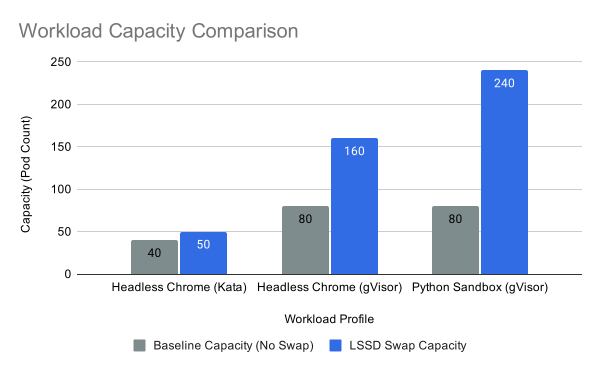
    Kubernetes memory limits often cap node density for bursty agentic AI workloads that sit idle with large memory footprints. To solve this, the engineering team benchmarked Kubernetes v1.34 node swap backed by fast NVMe Local SSDs across CI/CD builds, headless browsers, and Python sandboxes. The approach successfully increased pod density up to three times without significant latency costs.

    DEPTH ■■■■■6 min read2 weeks ago

    Sign in to save and rate

  4. Powering AI-led research through simulation

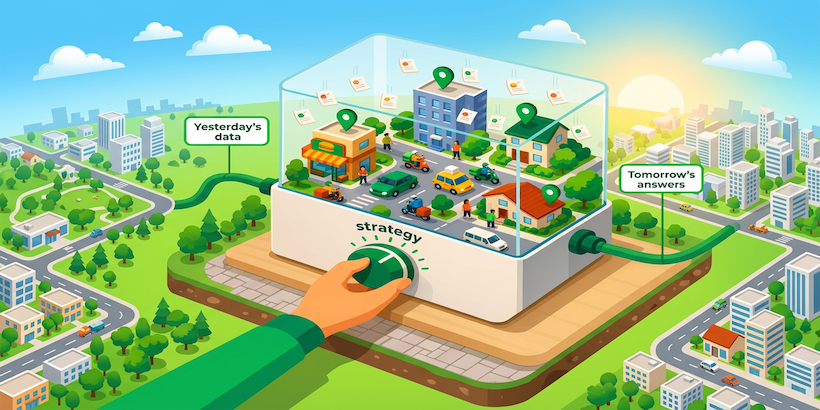
    The engineering team built a self-contained simulation platform called sim-rs to model marketplace dispatch dynamics and accelerate experimentation. By connecting automated software agents to this simulator with strict safety safeguards, the team successfully optimized strategy policies and simulator performance. This closed-loop lab environment allows agents to test ideas rapidly while ensuring that only valid, production-ready improvements are produced.

    DEPTH ■■■■■10 min read2 weeks ago

    Machine Learning

    Sign in to save and rate

  5. Data Mesh at Grab (Part III): Operationalizing data reliability with automated DPIs

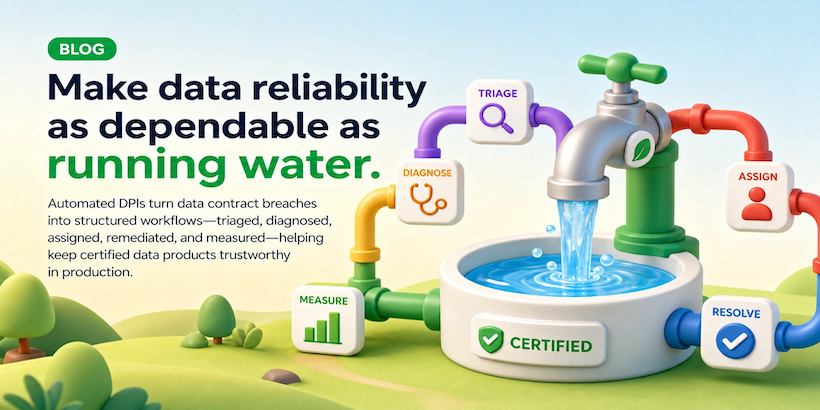
    Grab addressed runtime data reliability issues in its data mesh by implementing automated Data Production Issues (DPIs). The system uses an incident orchestrator to detect contract breaches, a Data Health API for cross-platform root cause analysis, and Hugo for automated remediation. This approach resolved 86.9 percent of incidents automatically and made mean time to resolve six times faster.

    DEPTH ■■■■■12 min read8 weeks ago

    DatabasesObservability

    Sign in to save and rate