/ THE FEED /

Read what ships.

Deep, recent reads ranked by depth and freshness.

  1. Better HTTP/1 connection reuse

    Failing to read an HTTP/1 response body completely prevents connection reuse, forcing clients to repeatedly pay the high cost of TCP and TLS handshakes. While developers previously had to implement complex manual body-draining logic, Go 1.27 introduces automatic asynchronous response draining in the net/http package. This improvement allows developers to simply close response bodies without worrying about connection pooling performance.

    DEPTH ■■■■■7 min read11 days ago
    Sign in to save and rate

  2. SBD: We Have a Filesystem at Home

    Fly.io replaced a custom JuiceFS-based filesystem for their Sprites infrastructure with the Sprites Block Device (SBD) to eliminate complex, out-of-sync metadata ledgers. SBD presents object storage as a block device over NBD, allowing standard ext4 to manage the filesystem and simplifying checkpoints and restores. The result is significantly improved reliability and a much simpler storage architecture.

    DEPTH ■■■■■6 min read3 days ago

    Sign in to save and rate

  3. Arch-specific SIMD in Go

    Go 1.27 introduces the archsimd package to provide low-level architecture-specific SIMD intrinsics for amd64, arm64, and wasm without requiring assembly. The API uses sensible naming conventions, zero-cost type reinterpretation, and opaque masks to improve usability and maintainability while achieving high performance. The resulting design enables developers to write optimized vectorized code safely with proper runtime CPU feature checking and compiler optimizations.

    DEPTH ■■■■■12 min read3 weeks ago

    Sign in to save and rate

  4. It's time to make your own RSS reader

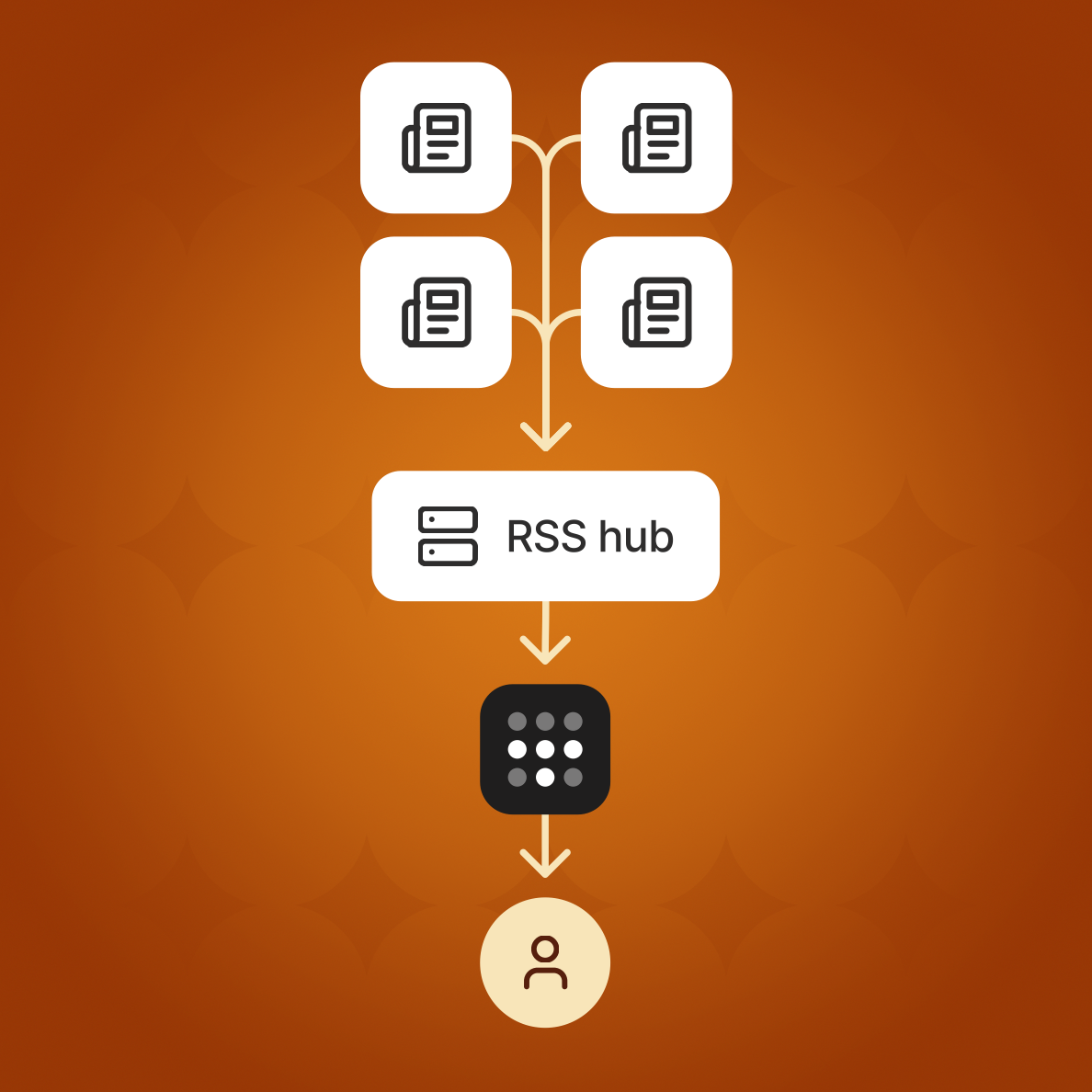
    This post walks through the process of self-hosting a personal RSS reader using FreshRSS and Docker, secured privately over a Tailscale network. The author details the configuration of environment variables, auth keys, and Docker compose deployment to avoid exposing the service to the open web. The result is a private, algorithm-free news reader accessible across multiple devices and integrable with external reading apps or AI agents.

    DEPTH ■■■■■10 min read9 days ago

    Sign in to save and rate

  5. Your agent, your network: How Meta’s Muse agent works with Tailscale

    Meta integrated Tailscale into its Muse personal AI agent, allowing the agent to join a user's tailnet as a separate node and interact with self-hosted services and SSH sessions. By treating Muse like any standard tailnet node, users can apply Tailscale's access controls, grants, and tags to enforce security and adhere to the principle of least privilege.

    DEPTH ■■■■■5 min read3 weeks ago

    Sign in to save and rate