/ THE FEED /

Read what ships.

Deep, recent reads ranked by depth and freshness.

  1. We gave AI agents a mobile dev environment

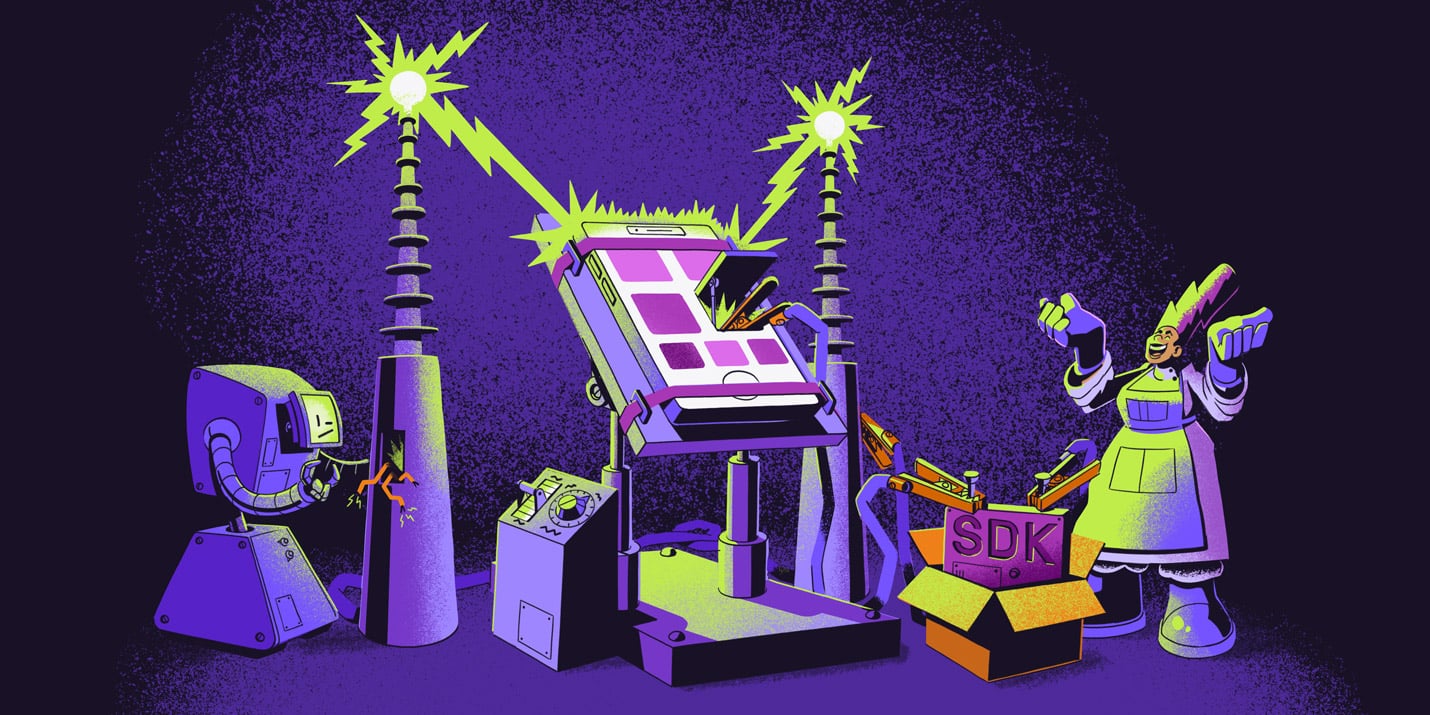
    Engineering teams outgrew their local machines while running parallel AI mobile development agents, constrained by heavy builds and lack of iOS tools on Linux. To solve this, they built Remote Dev using warm pools of remote Macs connected via SSH alongside separate Linux VMs for Android virtualization, paired with agent skills and live browser streaming. This setup shifted workflow bottlenecks, increasing AI-merged pull requests from 6 percent to 61 percent.

    DEPTH ■■■■■9 min read3 days ago

    ArchitectureMobile

    Sign in to save and rate

  2. PHP2Shell: GitLab helps find and remediate critical PHP flaws

    Critical remote code execution vulnerabilities known as PHP2Shell affect the PHP engine across multiple versions, requiring immediate runtime updates to fixed versions or patched distribution packages. The team utilized platform features like container scanning, code search, and automated agent workflows to locate PHP projects and remediate vulnerabilities. Operators must also check logs and environments for signs of compromise as framework updates and input validations cannot prevent these engine-level flaws.

    DEPTH ■■■■■10 min read3 days ago

    ArchitectureSecurity

    Sign in to save and rate

  3. The Thin Orchestrator: How We Made Our AI Agents More Reliable by Giving the Router Less to Do

    Meta engineers reduced hallucinations and improved reliability in their data pipeline agents by replacing a single heavyweight LLM orchestrator with a thin deterministic router and fourteen specialized subagents. The thin orchestrator handles routing and reliability checks through a fixed protocol, while isolated subagents execute domain reasoning. This architecture reduced configuration preparation time from a day to under an hour.

    DEPTH ■■■■■7 min read6 days ago

    Machine Learning

    Sign in to save and rate

  4. How Shopify turns open models into task experts

    Shopify uses a continual learning flywheel to post-train open models, such as NVIDIA Nemotron, to serve as dedicated subagents for specific tasks like GraphQL generation. By optimizing inference and utilizing automated self-healing to generate training data from production failures, the team successfully created task experts that outperform frontier models while reducing serving costs by 90-98% and improving response times.

    DEPTH ■■■■■5 min read4 days ago

    Architecture

    Sign in to save and rate

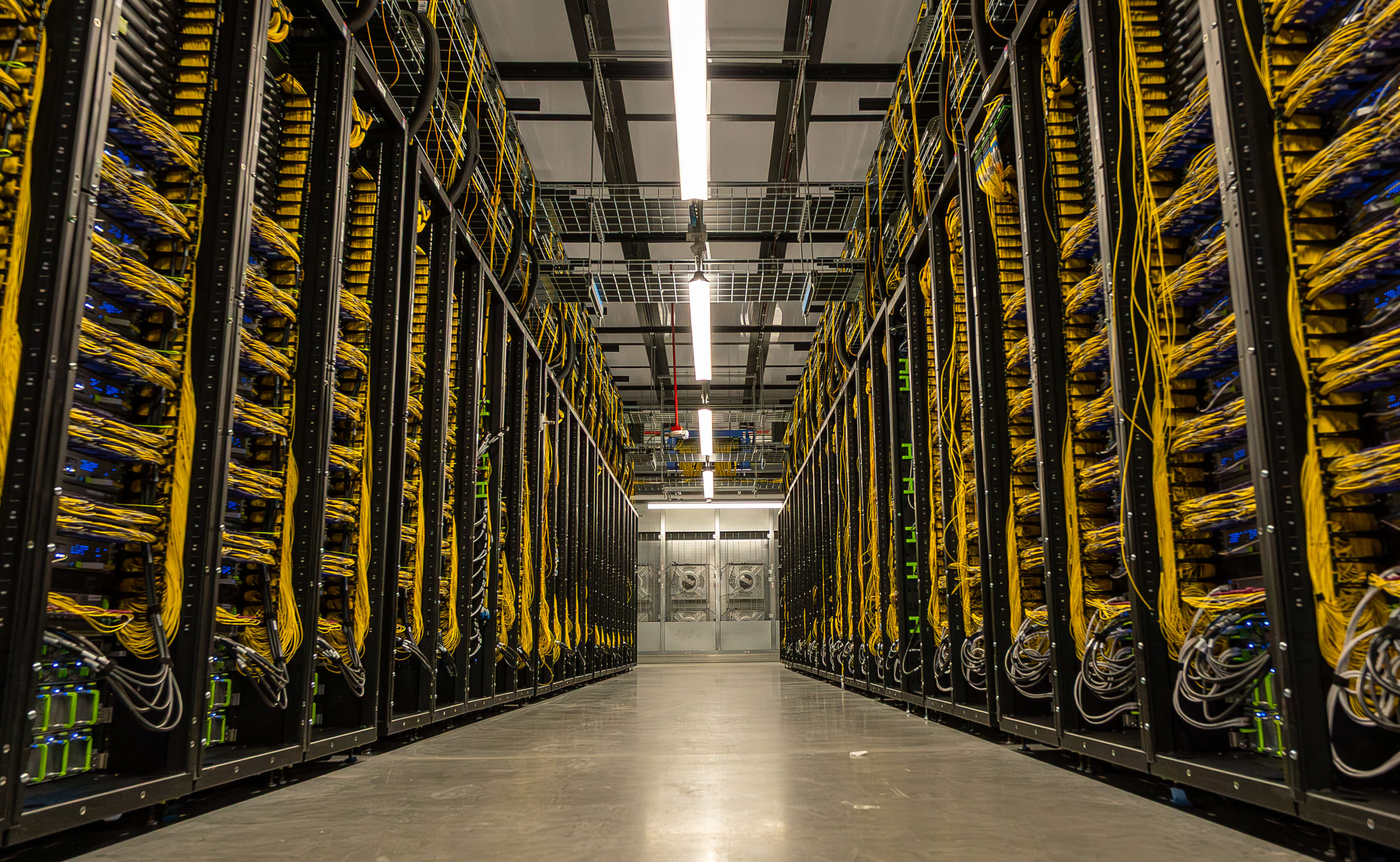
  5. Inside Prometheus: Meta’s Journey to a Gigawatt-Scale Supercluster

    Meta built Prometheus, a gigawatt-scale AI supercluster designed to scale up to one million GPUs using multi-generation NVIDIA hardware and specialized backend Ethernet networks. The team achieved high goodput and significantly reduced system interruptions by implementing an in-rack sparing strategy, parallelism-aware fault tolerance, and close co-engineering with vendors. These infrastructure advancements allowed the team to successfully train frontier foundational models like Muse Wonder.

    DEPTH ■■■■■17 min read6 days ago

    InfrastructureMachine Learning

    Sign in to save and rate

  6. Sentry JavaScript SDK v11 adds tracing for all JS platforms

    Sentry replaced its OpenTelemetry-based JavaScript SDK instrumentation with a source-code transformation approach using diagnostics channels in version 11. This change removes reliance on Node-specific module loader hooks, enabling reliable tracing across non-Node runtimes like Deno, Bun, and Cloudflare Workers, while also supporting bundled applications. The result is a simplified architecture that reduces bundle weight and fixes previous limitations with load order and immutable exports.

    DEPTH ■■■■■13 min read2 weeks ago

    Sign in to save and rate

  7. Cross-store product clustering across millions of stores

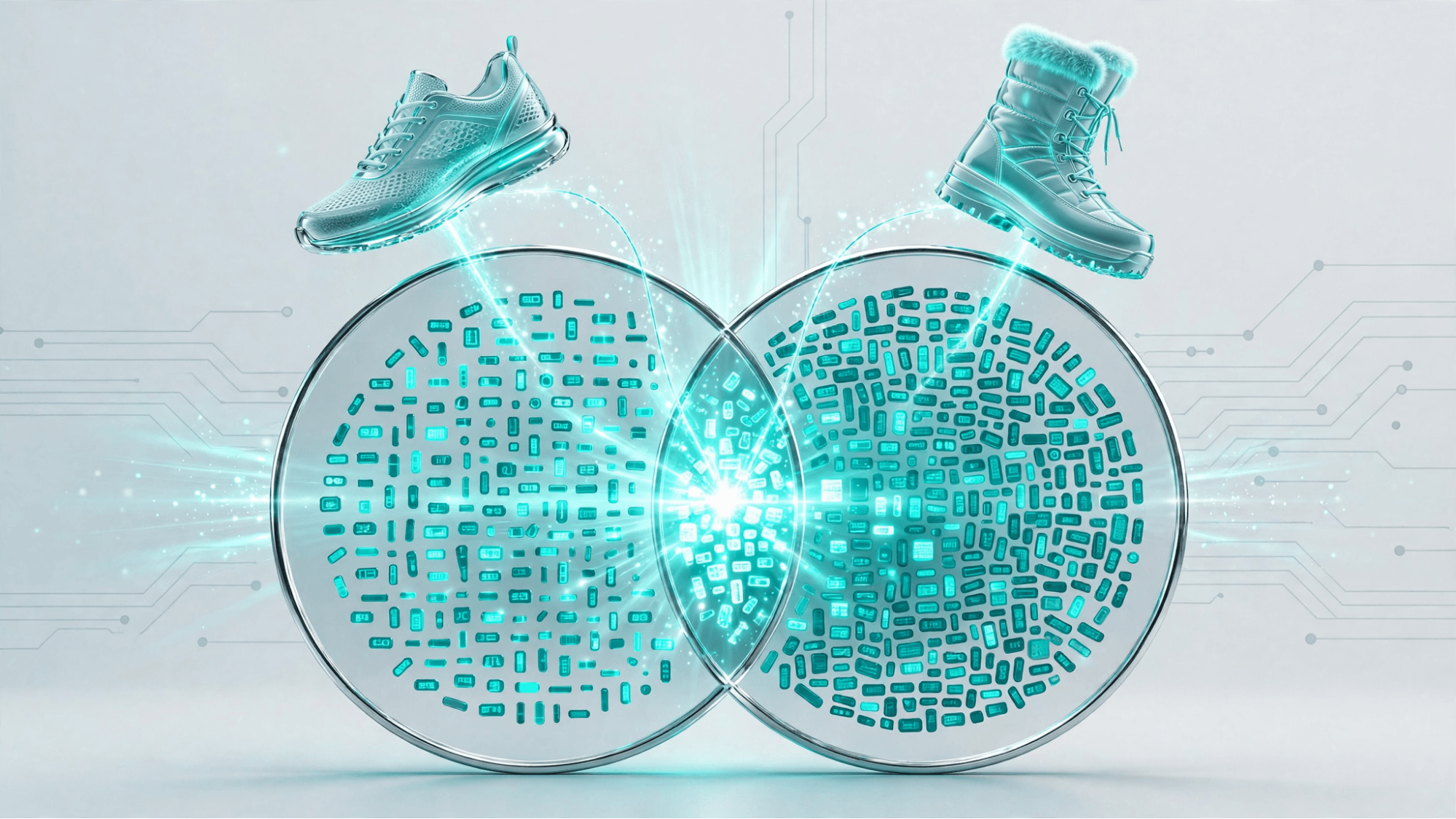
    Shopify needed to group identical product listings from millions of different merchants under a single global identifier. To solve this at scale without comparing every possible pair, the team implemented a multi-stage pipeline using vector retrieval, a tiered scoring system of ML models, and a bounded graph clustering approach. This architecture successfully standardizes product data across the entire platform while controlling computational costs.

    DEPTH ■■■■■13 min read5 days ago

    Architecture

    Sign in to save and rate

  8. Make every AI credit count: See, cap, and reduce agent spend

    Uncontrolled AI agent spending can be mitigated by combining open-weight models, centralized context graphs to reduce retries, and usage analytics with credit caps. GitLab introduced these capabilities in its Duo Agent Platform to help platform teams trace, limit, and optimize AI credit consumption. The resulting architecture matches specific tasks to lower-cost models while maintaining task completion quality.

    DEPTH ■■■■■6 min read12 days ago

    Sign in to save and rate

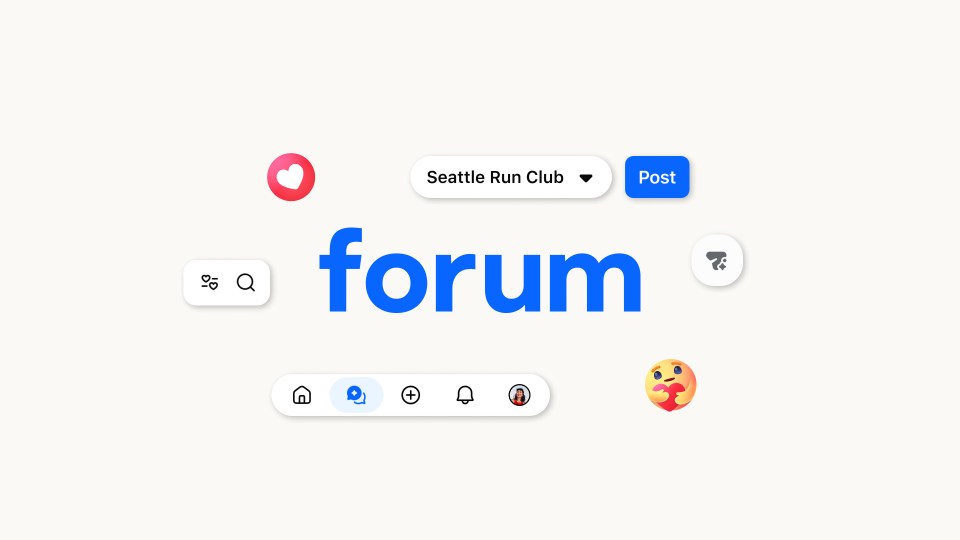
  9. How Meta Built Forum With AI-Native Engineering

    Meta engineers built the Forum app using a human-on-the-loop AI agent workflow that automated planning, building, testing, and verification. By shifting focus from code generation to automated verification, tooling improvements, and architectural legibility, the team reached feature parity in eight weeks while catching systemic memory issues early.

    DEPTH ■■■■■8 min read10 days ago

    FrontendMobile

    Sign in to save and rate

  10. Reducing Android scope-sync overhead in Sentry Flutter

    The Sentry Flutter team investigated scope-sync overhead on Android and found redundant data normalization across isolates alongside unnecessary buffer copies during JSON encoding. By removing the duplicate normalization and encoding directly to UTF-8 bytes, the team reduced processing time by 27 to 30 percent across benchmarked payloads.

    DEPTH ■■■■■4 min read2 weeks ago

    Sign in to save and rate

  11. Building Overexposed: understanding application exposure

    The team built an automated scanner called Overexposed to track internet-facing services and verify access controls across Kubernetes and Cloud Run. By querying live cloud inventories and probing endpoints like an outsider, the scanner classifies exposure while avoiding false assumptions from static config files. As a result, the engineering organization improved accuracy and significantly reduced inconclusive findings over time.

    DEPTH ■■■■■8 min read6 days ago

    Sign in to save and rate

  12. Meta’s Generative Ads Model (GEM): Scaling the Central Model and Compute Engine for Frontier Ads AI

    Meta developed GEM, a unified recommendation foundation model using an LLM-style architecture called Kunlun to handle heterogeneous ads data across multiple surfaces. The team implemented block attention, custom low-precision kernels, and post-training intelligence transfer techniques like LoopFM and Solaris to scale training efficiency and bypass real-time serving latency bottlenecks. The resulting system delivered an 18.9% conversion improvement and a 12% click-through rate increase across Meta ads surfaces.

    DEPTH ■■■■■15 min read12 days ago

    Machine Learning

    Sign in to save and rate

  13. The Sentry Android SDK is now 20-30% faster!

    The Sentry team optimized the Android SDK to reduce initialization time by 20-30% and background CPU usage by up to 10%. Improvements were achieved by profiling with Perfetto, replacing slow runtime manifest parsing and DSN parsing with build-time bytecode writing and lightweight parsers, and reusing thread pools. Upgrading to the latest SDK version allows applications to realize these startup performance gains.

    DEPTH ■■■■■4 min read5 days ago

    Sign in to save and rate

  14. OCP Summit 2026: Powering AI with Open Innovations in Scale-Up, Scale-Out, and Scale-Across Networks

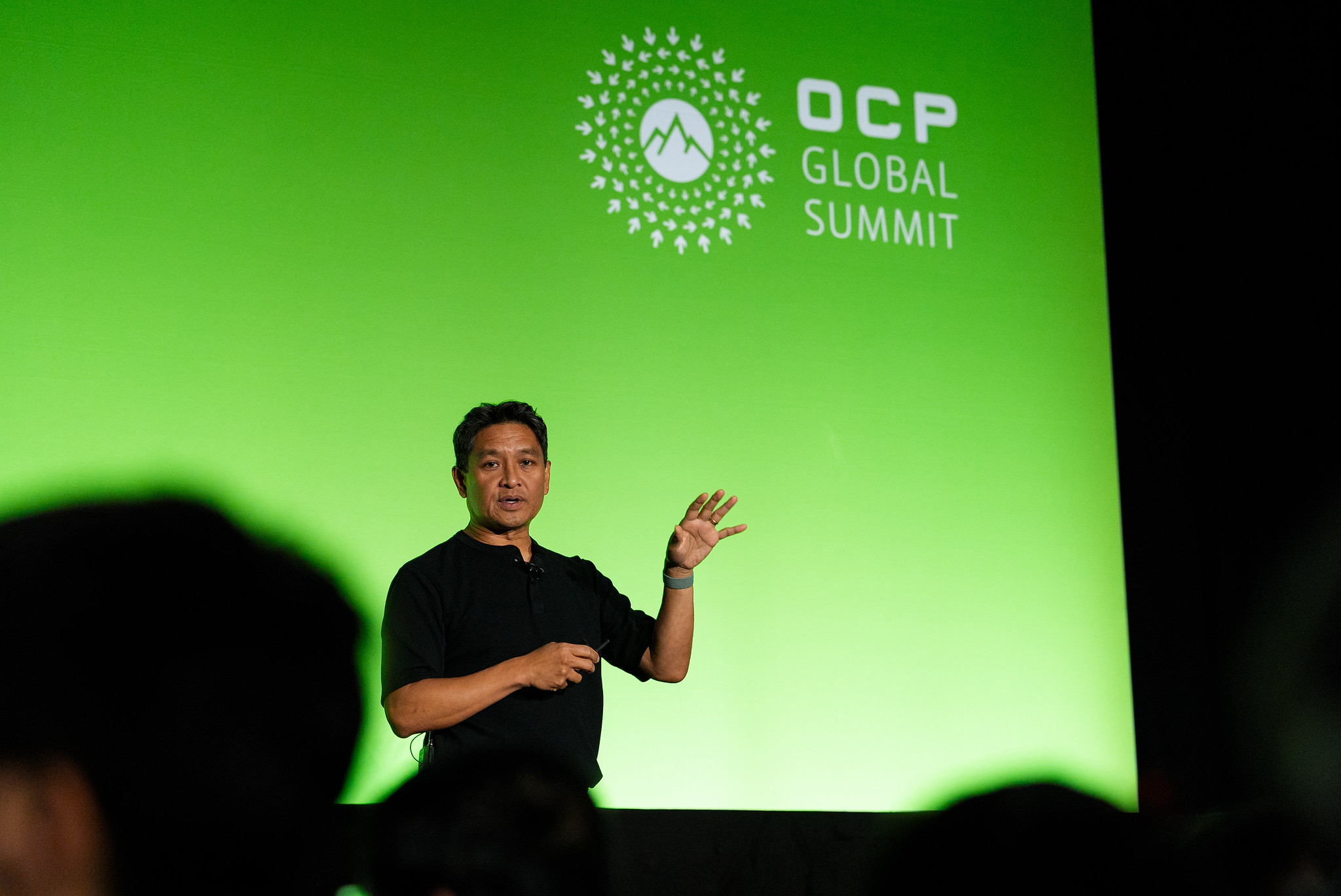
    Meta shared its next-generation open networking infrastructure for AI at the OCP Summit 2026, including liquid-cooled 102.4T switch platforms, multiplane scale-out fabrics, and Ethernet-based scale-up solutions. The team also highlighted collaborative industry standards like ESUN and OSPA to unify hardware and transport layers. These open innovations aim to support massive gigawatt-scale AI clusters across diverse data center environments.

    DEPTH ■■■■■12 min read13 days ago

    Machine Learning

    Sign in to save and rate

  15. ShopGym: Realistic, reproducible sandboxes for shopping agents

    Training and evaluating shopping agents is difficult due to changing live store environments, bot detection, and limited hand-built test stores. The team developed ShopGym, a framework that converts live storefronts into self-contained, anonymized sandbox shops and generates benchmark tasks. Evaluation showed that synthetic shops preserve key structural properties and behavioral alignment with live stores, giving agents a reliable environment to practice and improve.

    DEPTH ■■■■■6 min read3 weeks ago

    Sign in to save and rate

  16. Unreal MCP now speaks Sentry

    The Sentry team integrated their crash reporting plugin with Unreal Engine's new experimental Model Context Protocol (MCP) server, allowing coding agents to fully automate setup and debugging. By combining editor tools and Sentry MCP, an agent successfully configured the SDK, uploaded debug symbols, packaged a build, induced a crash, and traced the root cause without manual file editing. The integration streamlines crash reporting setup, though it currently suffers from occasional agent tool-discovery issues and server fragility across editor restarts.

    DEPTH ■■■■■7 min read2 weeks ago

    Sign in to save and rate

  17. GenRecs Tokenization: Transforming Ads Recommendation at Meta with Stable Model Vocabulary

    Meta implemented GenRecs Tokenization to replace dedicated item IDs with a stable semantic vocabulary for ads recommendation. Using a three-stage encoding and quantization pipeline, the system enables language models to reason about ad content and user preferences simultaneously. This approach resulted in a +0.35% lift in conversions and improved cold-start performance for new entities.

    DEPTH ■■■■■6 min read6 days ago

    Machine Learning

    Sign in to save and rate

  18. Should you use a log or a metric?

    This post explains the distinction between logs and metrics in application monitoring, noting that logs capture what was true during specific events for debugging while metrics track ongoing numerical trends over time. The author demonstrates how to implement both using Sentry SDKs during a user signup flow and outlines criteria for choosing between them. The resulting takeaway helps engineers decide whether to log an event or track it as a metric based on the questions they need to answer.

    DEPTH ■■■■■12 min read3 days ago

    Sign in to save and rate

  19. 2026 World Cup: Breaking Records, Spiky Charts and Reliability at Scale

    Meta's infrastructure handled record-breaking traffic during the 2026 World Cup, including 30 million messages per second on WhatsApp, by relying on automated load balancing, capacity buffers, and targeted pre-builds. Traffic patterns revealed that surges occurred primarily during breaks rather than gameplay, requiring region-specific forecasting rather than cross-region load shifting. The systems maintained full reliability and allowed normal continuous deployment schedules to continue without manual intervention or system freezes.

    DEPTH ■■■■■5 min read10 days ago

    Infrastructure

    Sign in to save and rate

  20. Helix: The internal tool powering our Shopify app's native migration

    Shopify is migrating its mobile apps from React Native to native Swift and Kotlin using an internal LLM-powered tool called Helix. Helix breaks migrations down into small checkpoints and enforces strict quality gates covering behavior, UI equivalence, architectural compliance, and human review. This iterative loop allows the team to reliably generate and migrate hundreds of screens to native code.

    DEPTH ■■■■■8 min read4 weeks ago

    Sign in to save and rate