/ THE FEED /

Read what ships.

Deep, recent reads ranked by depth and freshness.

  1. Principles for effective slides

    Presenters often rely on text-heavy slide decks that distract audiences and undermine storytelling. To fix this, speakers can use minimalist slides as a complementary visual channel to control the rate of information and manage cognitive load. This approach leads to more engaging presentations where visuals reinforce the spoken narrative rather than replace it.

    DEPTH ■■■■■12 min read3 weeks ago

    Sign in to save and rate

  2. How we make AI coding more cost efficient without sacrificing task quality

    GitHub optimized GitHub Copilot to improve cost efficiency without sacrificing task quality by evaluating changes across the entire agentic workflow. The team implemented four targeted adjustments including selective output compression, removing unused line-number formatting, shortening prompts via meta-prompting with behavioral tests, and delivering background work completions directly. These modifications reduced token usage and model inference costs globally without causing task-success regressions.

    DEPTH ■■■■■9 min read7 weeks ago

    Machine Learning

    Sign in to save and rate

  3. Application Metrics caught my broken size estimator

    An engineer integrated application metrics into a client-side video conversion tool to monitor file size estimation accuracy without using invasive telemetry. By tracking key performance indicators and analyzing the metric distributions, they discovered that an AI-generated estimation formula was flawed and producing results off by up to 83 percent. Replacing the broken logic with a correct bitrate-based formula brought the size estimation accuracy to within five percent of real-world results.

    DEPTH ■■■■■15 min read7 weeks ago

    Sign in to save and rate

  4. Seer, the Sentry MCP and CLI, or your own coding agent: where each one fits

    Engineers often struggle to choose between native debugging agents, Model Context Protocols, and command-line tools when integrating error tracking into their workflows. Sentry demonstrates how its debugging assistant Seer, the Sentry MCP, the Sentry CLI, and various coding agent integrations complement each other rather than compete. The resulting setup allows teams to diagnose complex application errors and automatically generate pull requests through whichever surface they prefer.

    DEPTH ■■■■■11 min read3 weeks ago

    Sign in to save and rate

  5. Build your slide template

    Presenters often struggle with the visual design of slides and default to cluttered or uniform corporate templates. To build a better presentation foundation, the author recommends sticking to a restricted color palette, limiting the number of fonts, and using minimal layouts without unnecessary floodmarks like page numbers or logos. This approach results in a cohesive visual identity that provides greater flexibility during slide construction.

    DEPTH ■■■■■11 min read11 days ago

    Sign in to save and rate

  6. Measuring the back/forward cache with Application Metrics

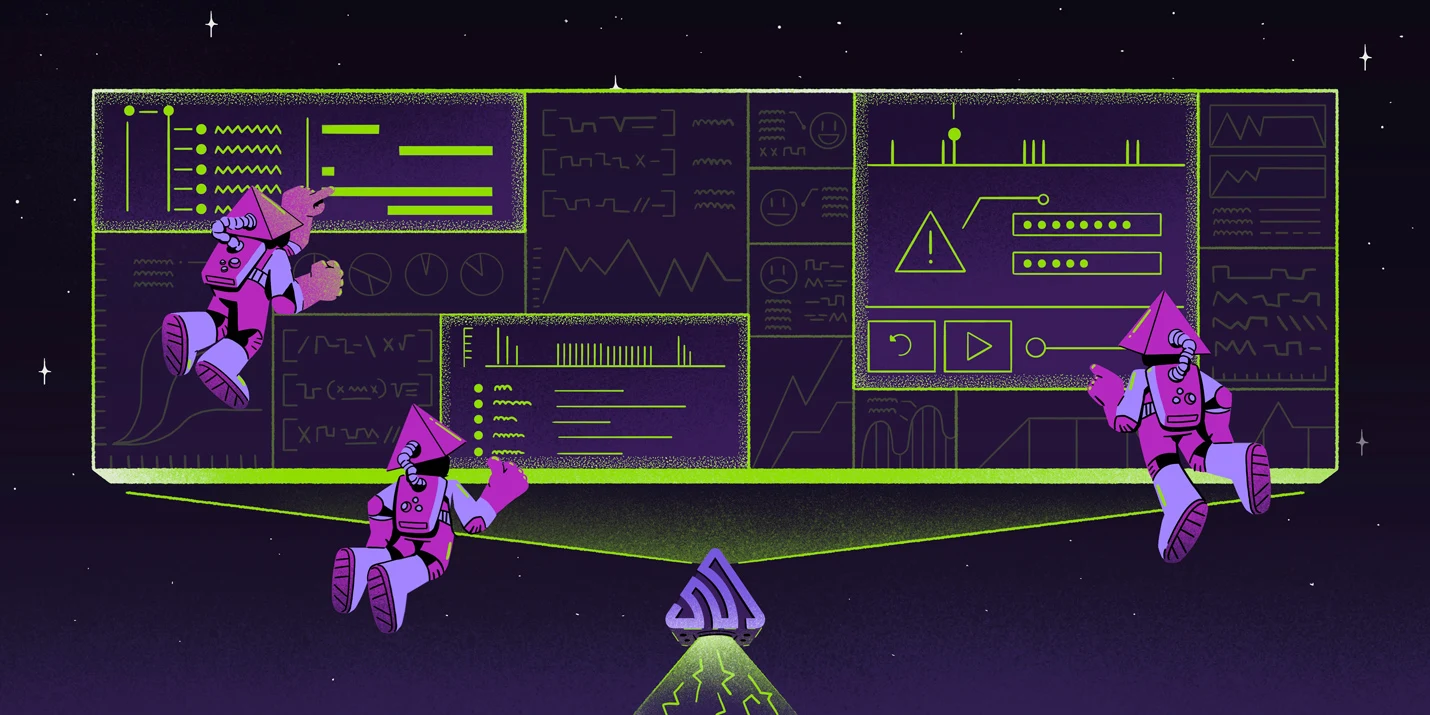
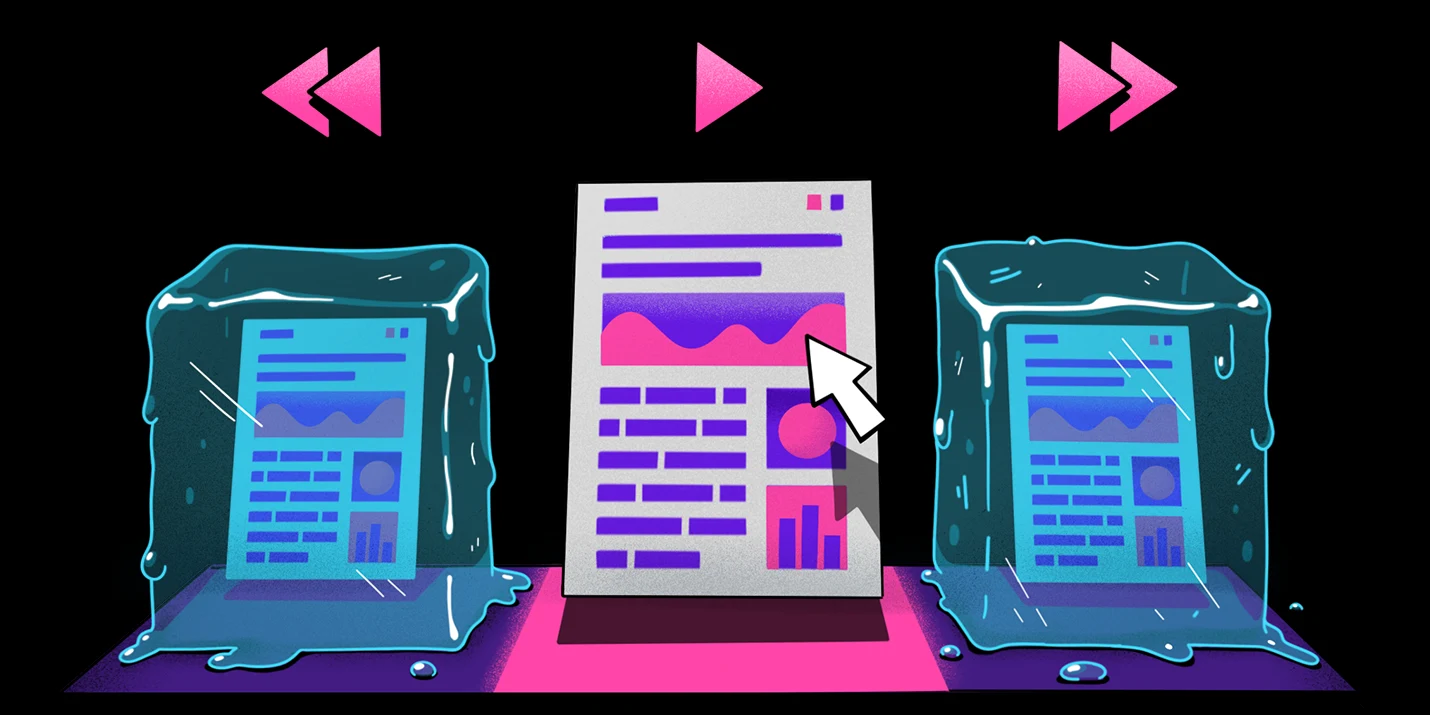
    Engineering teams often lack visibility into back/forward cache performance because successful cache hits leave no telemetry traces and browser heuristics frequently change. To solve this blind spot, the team introduced an opt-in application metrics integration in their JavaScript SDK that models browser bfcache signals into hits, specific miss reasons, and reload durations. As a result, developers can track, query, and fix silent navigation regressions using customizable dashboards.

    DEPTH ■■■■■6 min read4 weeks ago

    Sign in to save and rate

  7. Building Sentry's Laravel AI Integration

    The Sentry team built a Laravel AI integration to support Agent Tracing during an internal hackweek. Because Laravel AI lacked events for individual LLM invocations, the integration correlates outgoing HTTP requests with active invocations using provider URL prefixes. The resulting zero-config feature is available in sentry-laravel 4.27 and automatically traces agents, LLM requests, and tool calls.

    DEPTH ■■■■■4 min read4 weeks ago

    Sign in to save and rate

  8. Bliki: Sensible Default

    The engineering post introduces the concept of a sensible default as an alternative to best practices in software development. Sensible defaults serve as reliable starting points for tasks in the absence of hard constraints, while still allowing teams to adapt and override them when context requires. Organizations like Thoughtworks utilize playbooks of these defaults to guide initial work while encouraging regular reflection and adjustment.

    DEPTH ■■■■■2 min read3 weeks ago

    Sign in to save and rate

  9. Fragments: September 29

    This post discusses observations on coding agents, focusing on their persistence, the role of training material in hacking behavior, and the need for greater safety measures and liability. It examines experiments with unlimited tokens and explores regulatory and educational perspectives on agentic AI.

    DEPTH ■■■■■4 min read3 weeks ago

    Sign in to save and rate

  10. Debugging our AI search assistant with agent tracing

    The Sentry team developed a Search Query Assistant to convert natural language prompts into search syntax, which initially failed on custom numerical attributes due to incorrect field formatting in the system prompt. By utilizing their own AI Conversation view and agent tracing, they identified the root cause in the tool call results and system prompt generation. This observability workflow enabled them to reproduce, fix, and verify the issue both locally and in production.

    DEPTH ■■■■■4 min read6 weeks ago

    Sign in to save and rate