/ THE FEED /

Read what ships.

Deep, recent reads ranked by depth and freshness.

  1. Fragments: October 4

    This post discusses the evolving role of software development and code in the era of large language models. It explores how shifting from deterministic building to inferential nurturing changes processes, why high-level representations remain critical for managing context windows, and how conceptual modeling becomes more important than the mechanical act of writing instructions.

    DEPTH ■■■■■7 min read2 weeks ago
    Sign in to save and rate

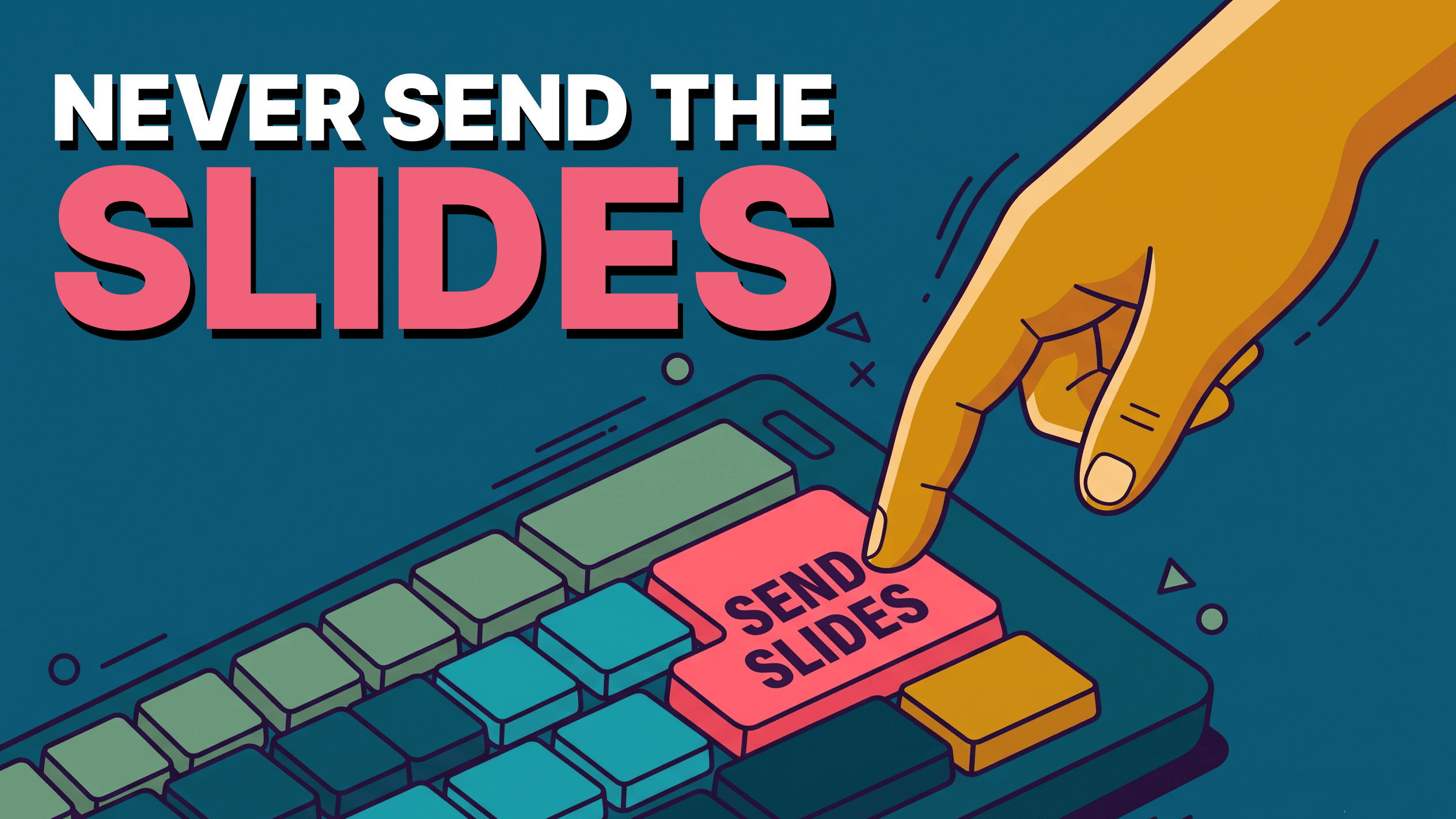
  2. Principles for effective slides

    Presenters often rely on text-heavy slide decks that distract audiences and undermine storytelling. To fix this, speakers can use minimalist slides as a complementary visual channel to control the rate of information and manage cognitive load. This approach leads to more engaging presentations where visuals reinforce the spoken narrative rather than replace it.

    DEPTH ■■■■■12 min read3 weeks ago

    Sign in to save and rate

  3. How we make AI coding more cost efficient without sacrificing task quality

    GitHub optimized GitHub Copilot to improve cost efficiency without sacrificing task quality by evaluating changes across the entire agentic workflow. The team implemented four targeted adjustments including selective output compression, removing unused line-number formatting, shortening prompts via meta-prompting with behavioral tests, and delivering background work completions directly. These modifications reduced token usage and model inference costs globally without causing task-success regressions.

    DEPTH ■■■■■9 min read7 weeks ago

    Machine Learning

    Sign in to save and rate

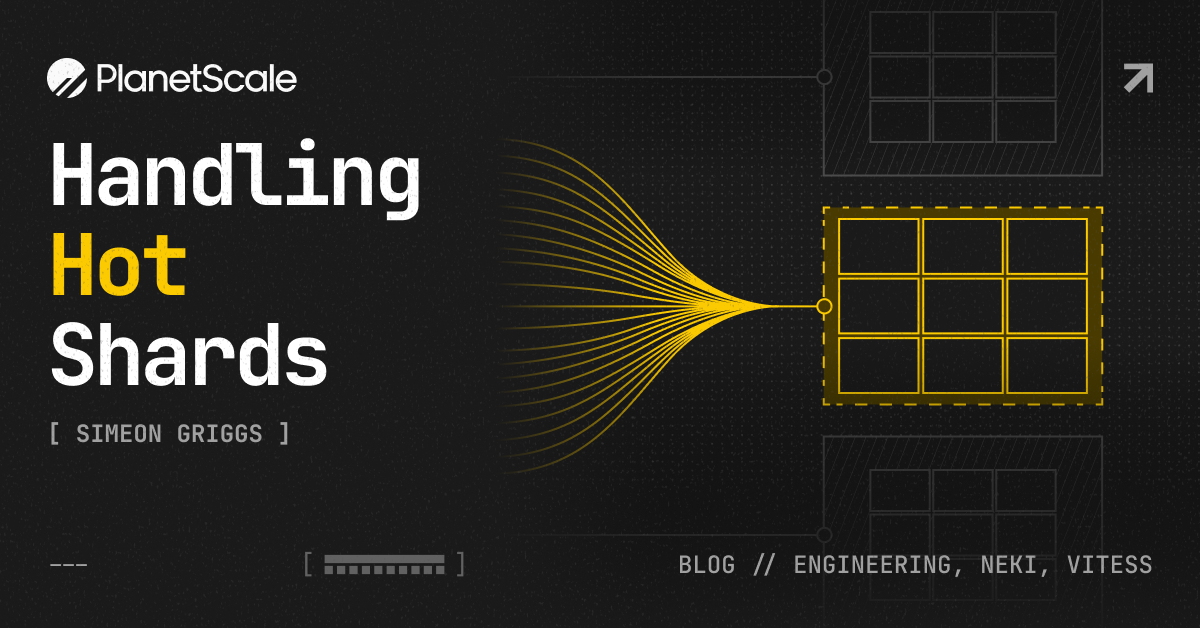
  4. Handling hot shards

    Growing applications often encounter hot shards when certain tenants or data subsets outgrow initial sharding strategies based on workspace IDs. To mitigate this, teams can scale up resources, isolate large tenants into specific key ranges, or fundamentally change the shard key for problematic tables based on access patterns. Neki facilitates these adjustments by allowing declarative data topologies and online resharding without downtime.

    DEPTH ■■■■■7 min read3 weeks ago

    MySQLPostgreSQL

    Sign in to save and rate

  5. Build your slide template

    Presenters often struggle with the visual design of slides and default to cluttered or uniform corporate templates. To build a better presentation foundation, the author recommends sticking to a restricted color palette, limiting the number of fonts, and using minimal layouts without unnecessary floodmarks like page numbers or logos. This approach results in a cohesive visual identity that provides greater flexibility during slide construction.

    DEPTH ■■■■■11 min read11 days ago

    Sign in to save and rate

  6. Bliki: Sensible Default

    The engineering post introduces the concept of a sensible default as an alternative to best practices in software development. Sensible defaults serve as reliable starting points for tasks in the absence of hard constraints, while still allowing teams to adapt and override them when context requires. Organizations like Thoughtworks utilize playbooks of these defaults to guide initial work while encouraging regular reflection and adjustment.

    DEPTH ■■■■■2 min read3 weeks ago

    Sign in to save and rate

  7. Fragments: September 29

    This post discusses observations on coding agents, focusing on their persistence, the role of training material in hacking behavior, and the need for greater safety measures and liability. It examines experiments with unlimited tokens and explores regulatory and educational perspectives on agentic AI.

    DEPTH ■■■■■4 min read3 weeks ago

    Sign in to save and rate