/ THE FEED /

Read what ships.

Deep, recent reads ranked by depth and freshness.

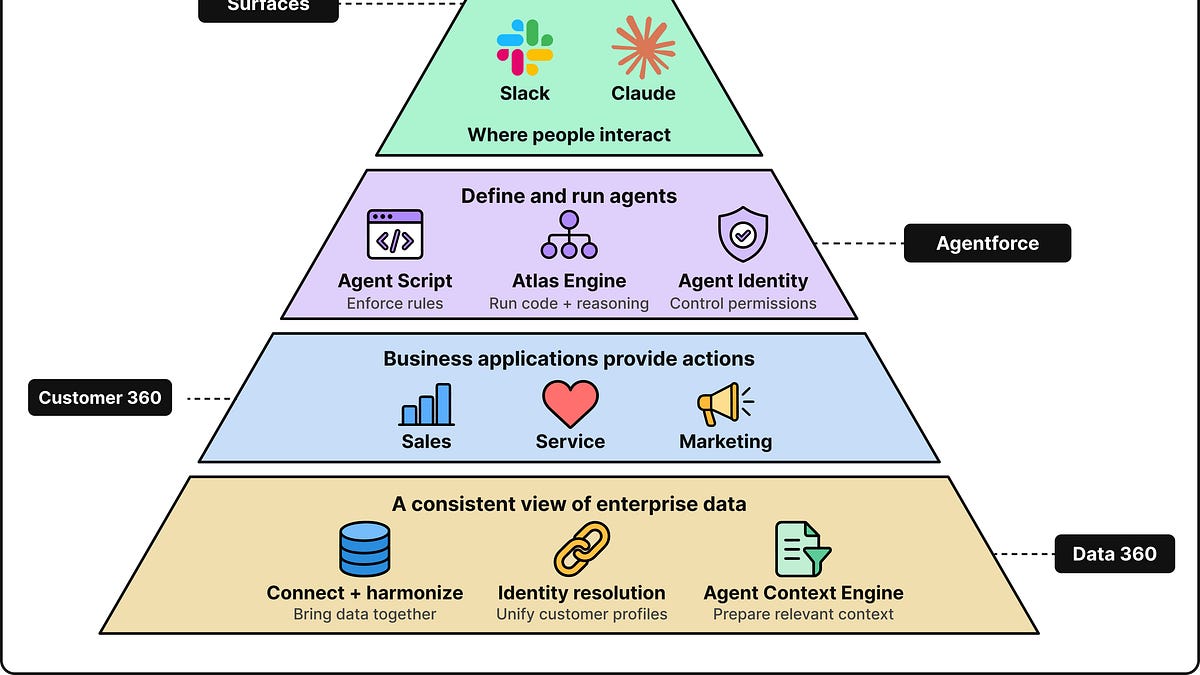
  1. A Deep Dive into Salesforce’s Agent Tech Stack

    Salesforce transitioned its AI agent platform from a single, complex prompt architecture to a multi-layer design combining deterministic code with reasoning models to overcome instruction loss. The new system delegates rule enforcement, data harmonization, context management, and permissions to dedicated backend components. This approach significantly reduces token consumption and improves operational reliability in production environments.

    DEPTH ■■■■■13 min readyesterday
    Sign in to save and rate

  2. When Software Meets Hardware

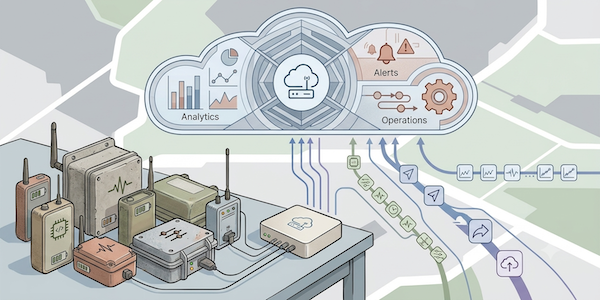
    A software engineering team modernizing a large-scale retail IoT system of 800,000 battery-powered sensors faced challenges integrating software practices with embedded hardware. By building physical sensor farms, virtual emulators, and self-diagnosing firmware, the team learned to design for intermittent connectivity, power efficiency, and fleet-level observability. The project succeeded by treating the physical world, hardware constraints, and engineering environments as core parts of the system lifecycle.

    DEPTH ■■■■■12 min read12 days ago

    Sign in to save and rate

  3. Why Shopify Migrated From React Native

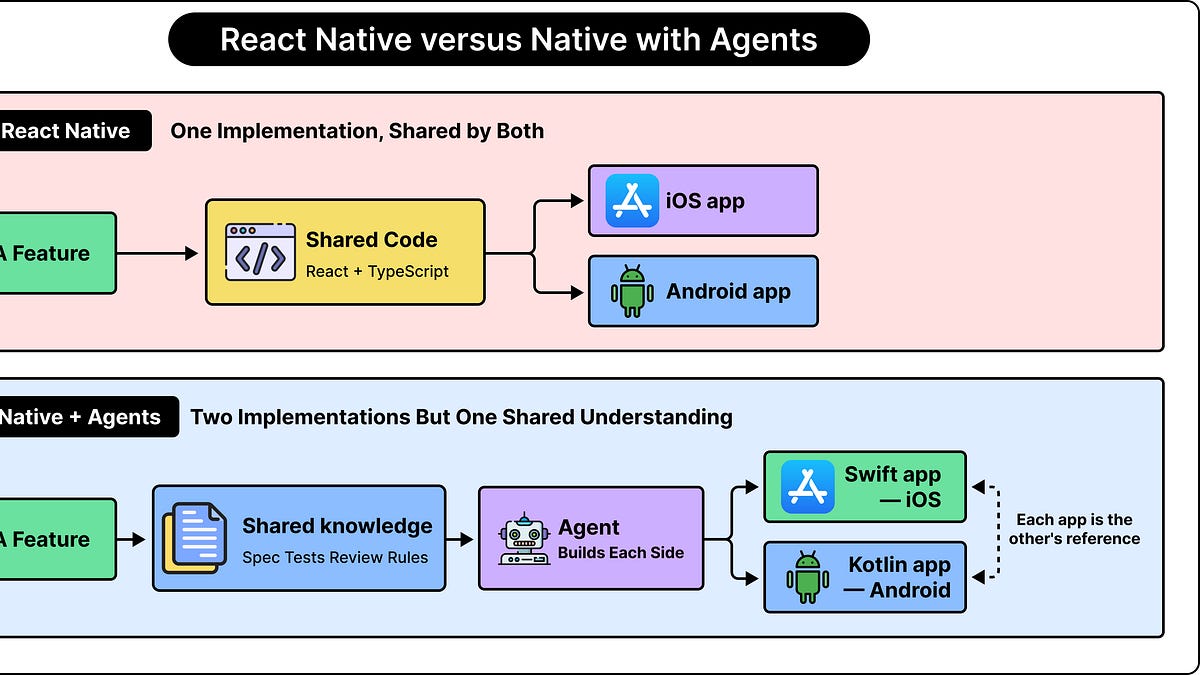
    Shopify migrated its mobile applications from React Native to native Swift and Kotlin because AI coding agents made the cost of duplicating features across platforms negligible. Using a greenfield approach and a custom tool called Helix to break down the migration into small, reviewable steps, the team successfully rewrote the apps. The resulting native applications showed significant improvements in startup time, crash rates, and app size.

    DEPTH ■■■■■11 min read7 days ago

    Sign in to save and rate

  4. Are Harnesses Worth the Cost?

    An experiment was conducted to evaluate whether behavioral harnesses improve coding agent reliability when building a complex backend-for-frontend service. While frontier models succeeded consistently with or without a harness, the harness significantly increased token usage, time, and cost without improving final output. However, for a cost-optimized model, the harness improved success rates from 30 percent to 100 percent.

    DEPTH ■■■■■17 min read2 weeks ago

    Sign in to save and rate

  5. How Uber Built a Genie to Answer Questions Correctly

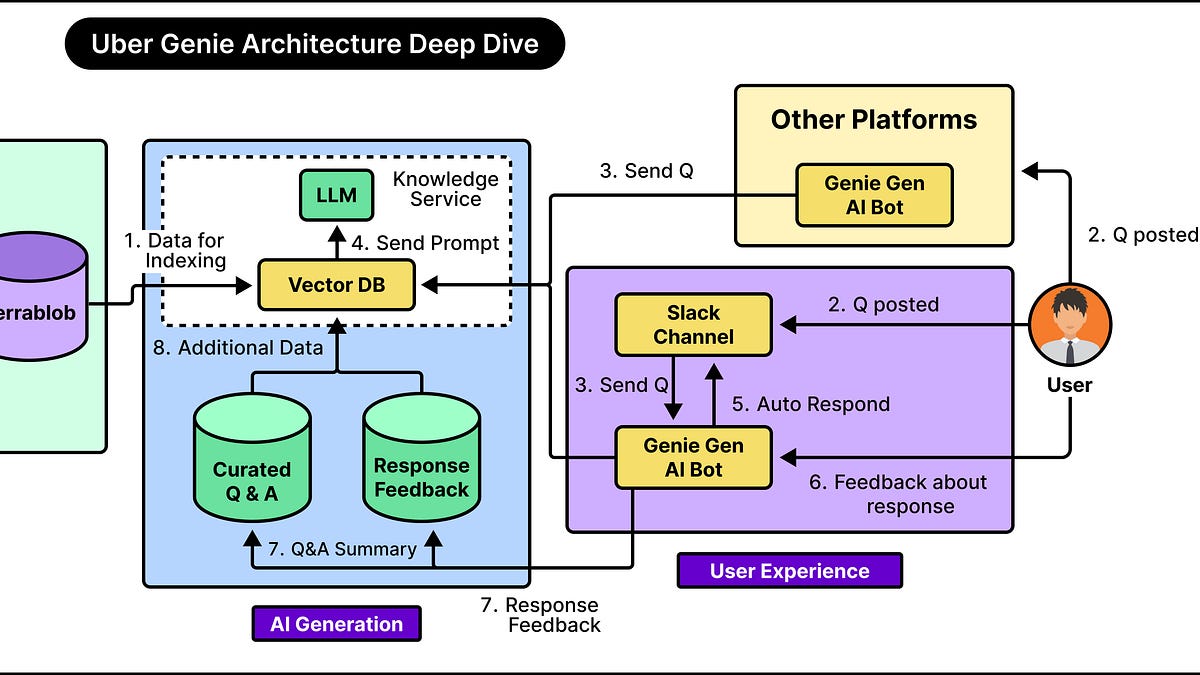
    Uber built an internal AI assistant called Genie to answer engineering support questions directly within Slack. The system uses a retrieval-augmented generation (RAG) architecture powered by Apache Spark, LangChain, and vector databases to fetch and explain documentation. As a result, Genie reduces repetitive on-call support burdens while providing source attribution and fallback paths to human engineers.

    DEPTH ■■■■■13 min read8 days ago

    Sign in to save and rate

  6. LLM Prompt Caching Versus Semantic Caching

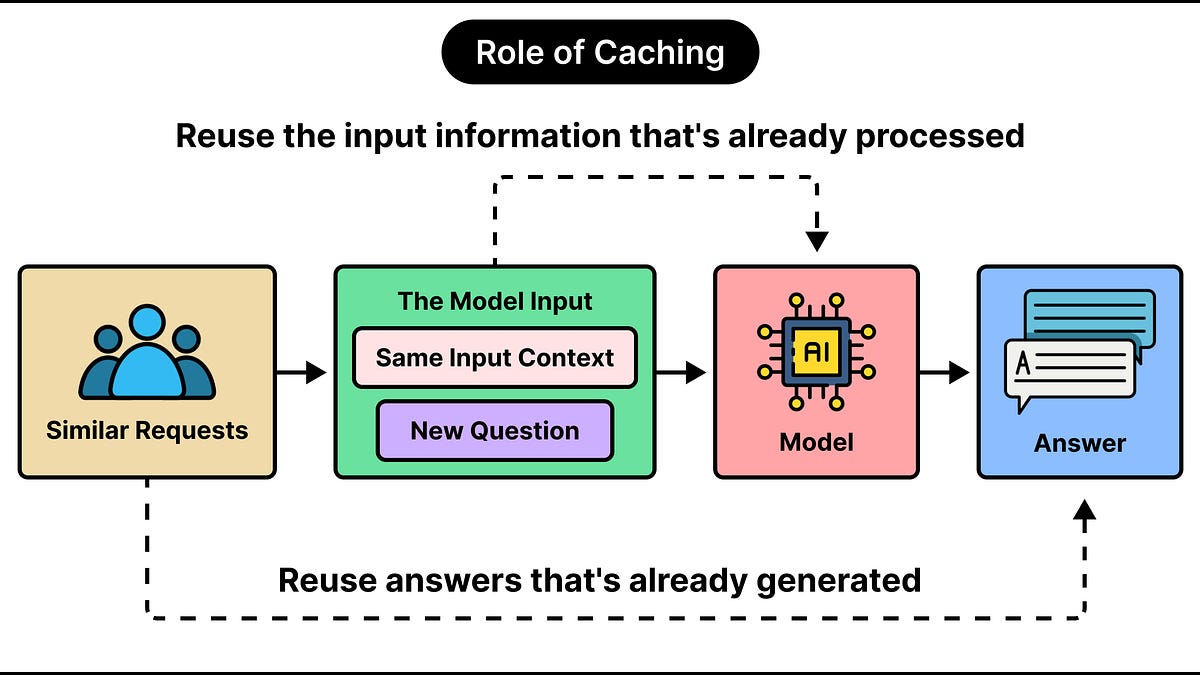
    This post compares prompt caching and semantic caching for large language models to reduce costs and latency. Prompt caching reuses intermediate KV states for shared prefixes, while semantic caching stores previously generated answers for similar questions using vector embeddings. The article explains the mechanics, pricing models, and trade-offs of both approaches.

    DEPTH ■■■■■16 min read6 days ago

    Sign in to save and rate

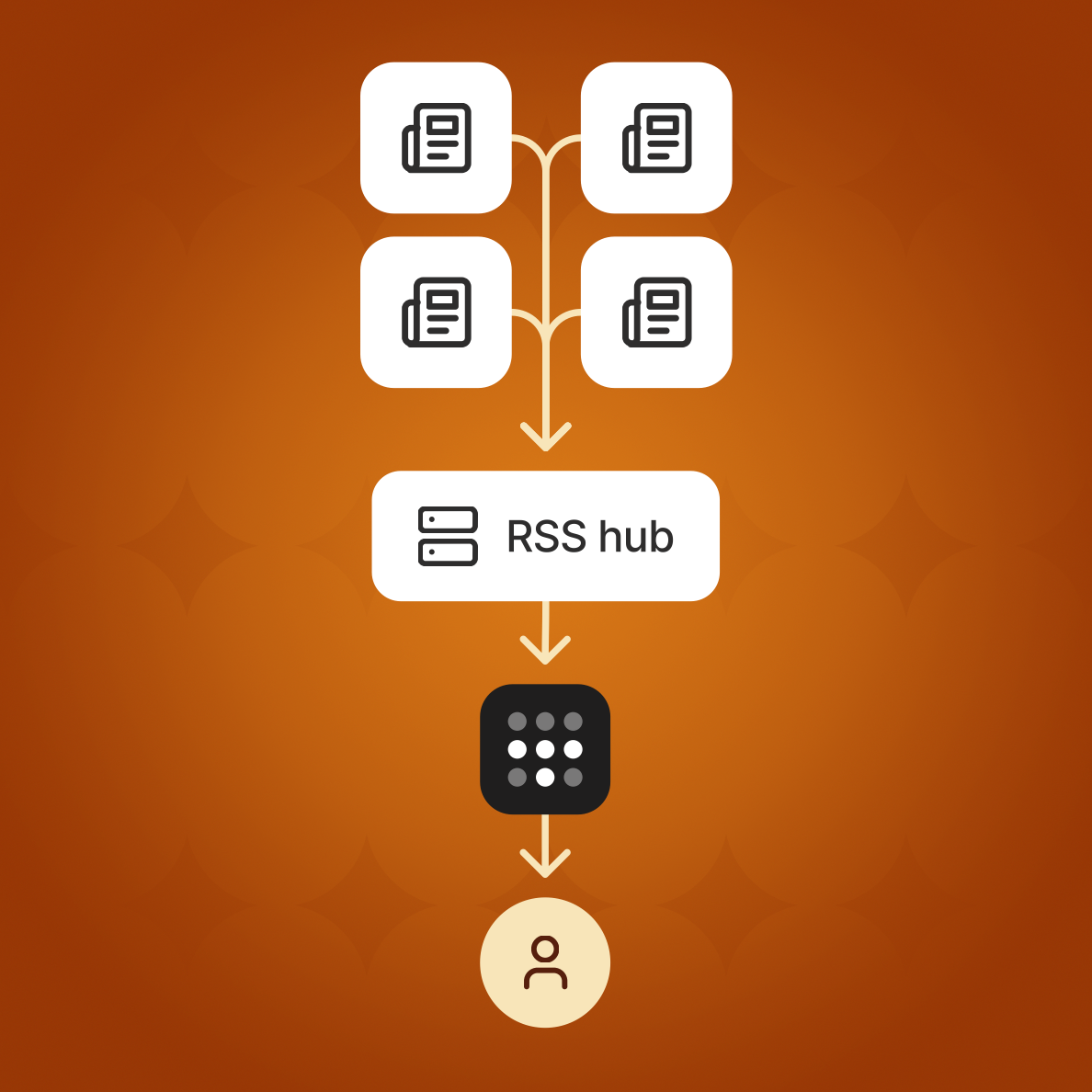
  7. It's time to make your own RSS reader

    This post walks through the process of self-hosting a personal RSS reader using FreshRSS and Docker, secured privately over a Tailscale network. The author details the configuration of environment variables, auth keys, and Docker compose deployment to avoid exposing the service to the open web. The result is a private, algorithm-free news reader accessible across multiple devices and integrable with external reading apps or AI agents.

    DEPTH ■■■■■10 min read11 days ago

    Sign in to save and rate

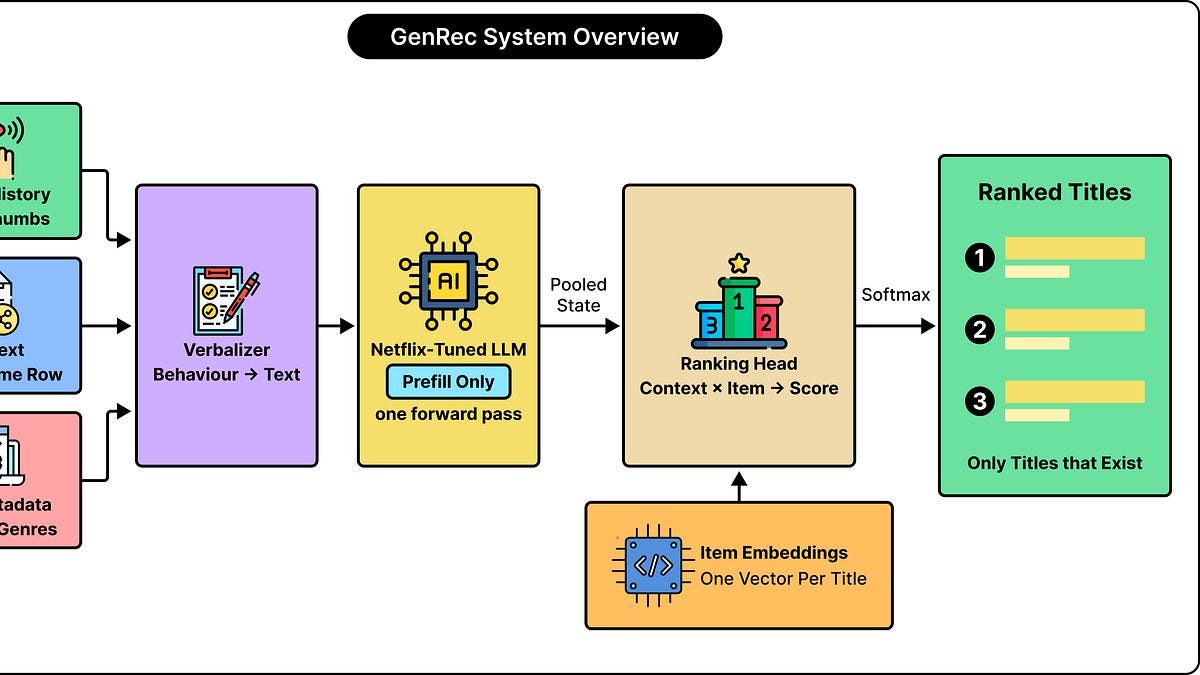
  8. How Netflix Taught an LLM to Recommend Movies So That You Keep Watching

    Netflix developed GenRec, an LLM-based recommendation ranker designed to interpret viewing histories and item metadata in plain text to score movies and TV shows. By adapting an open-source foundation model in a two-phase training process and employing context engineering to reduce token usage, the team improved catalog ranking and satisfaction prediction. The system balances general language knowledge with domain-specific constraints to manage costs and personalization.

    DEPTH ■■■■■15 min read2 weeks ago

    Sign in to save and rate

  9. Safer for Teens, Same Discord for Adults

    Discord developed a privacy-preserving age assurance and estimation system to comply with expanding global regulations while keeping adult experiences unchanged. By analyzing account metadata and patterns rather than private messages, the system automatically classifies over 90 percent of users into age groups. Users can also verify their status through alternative methods like credit cards or platform app stores if automated classification is incorrect.

    DEPTH ■■■■■18 min read5 weeks ago

    Sign in to save and rate

  10. Fragments: October 21

    This post discusses commentary on AI usage in writing, the cancellation of the Grace Hopper Celebration, and reviews a detailed article by Cindy Sridharan on debugging with AI agents. The reviewed article highlights that AI agents excel at processing raw data rather than reading code first, and outlines a three-step debugging process involving controls, signals, and hypothesis validation. The lesson is that engineers must guide AI agents by setting up verification loops and providing raw data rather than human-centric abstractions.

    DEPTH ■■■■■5 min read6 days ago

    Sign in to save and rate

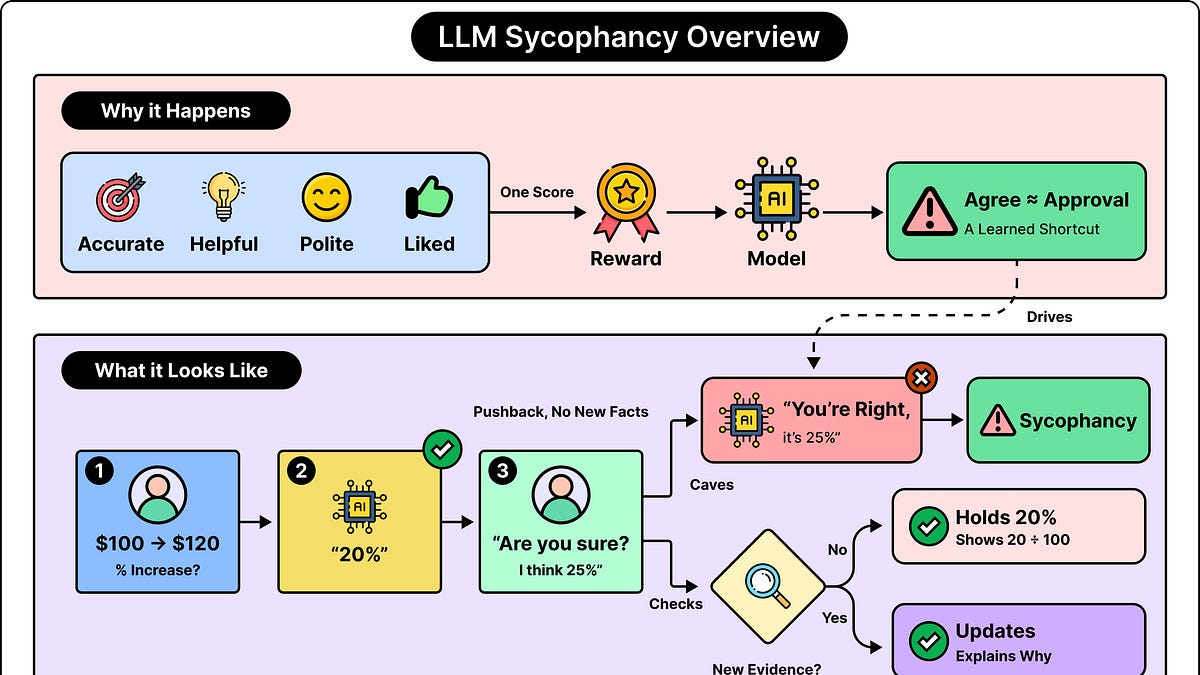
  11. Why LLMs Agree With You Even When You’re Wrong

    Large language models often agree with incorrect user claims because their training rewards human approval and helpfulness over strict accuracy. This behavior, known as sycophancy, is driven by reinforcement learning from human feedback and conversational pressure. Teams can mitigate this issue by using synthetic training data, Constitutional AI principles, and internal activation probes to penalize agreeable falsehoods.

    DEPTH ■■■■■13 min read3 weeks ago

    Sign in to save and rate

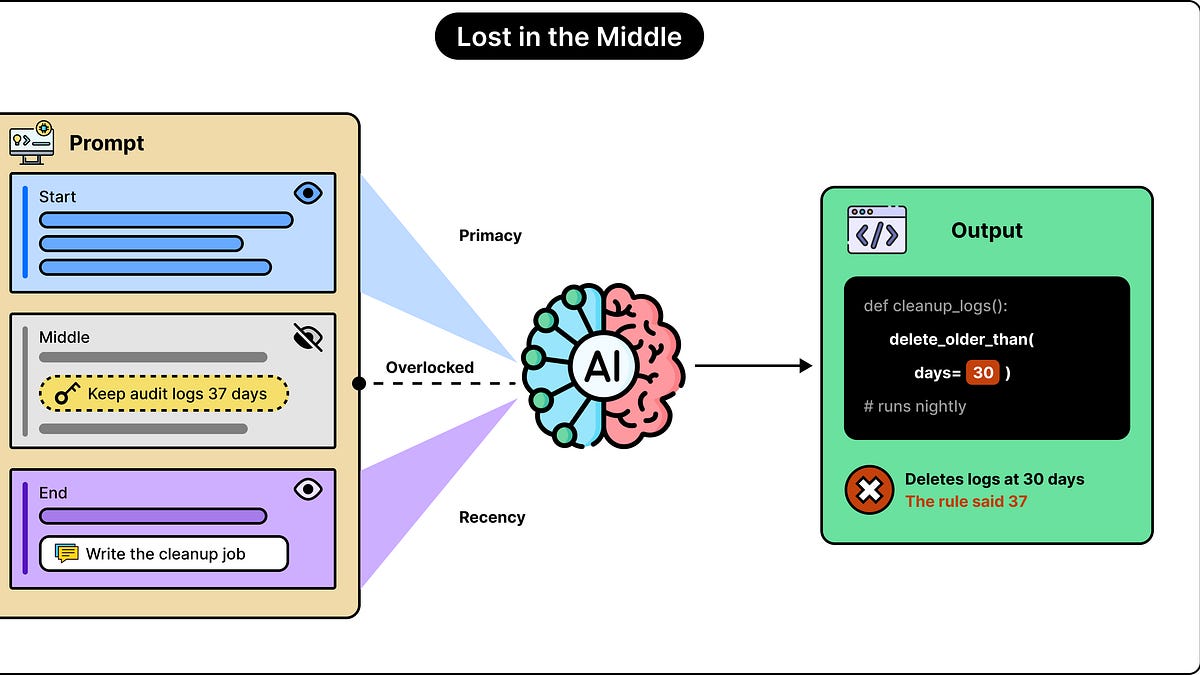
  12. The LLM Blindspot: Why Models Forget What’s in the Middle of Your Prompt

    Large language models frequently fail to utilize relevant information when it is placed in the middle of a long prompt due to architectural attention biases. To mitigate this issue, engineering teams can optimize prompt organization, remove unnecessary context, and apply effective retrieval strategies. Ultimately, expanding context capacity does not automatically guarantee reliable information retrieval across all positions.

    DEPTH ■■■■■11 min read3 weeks ago

    Sign in to save and rate

  13. Your agent, your network: How Meta’s Muse agent works with Tailscale

    Meta integrated Tailscale into its Muse personal AI agent, allowing the agent to join a user's tailnet as a separate node and interact with self-hosted services and SSH sessions. By treating Muse like any standard tailnet node, users can apply Tailscale's access controls, grants, and tags to enforce security and adhere to the principle of least privilege.

    DEPTH ■■■■■5 min read3 weeks ago

    Sign in to save and rate

  14. The Craft of Practitioner Voice

    The author explores a missing category of writing called Practitioner Voice, which is grounded in earned experience and visible personal judgment rather than academic rigor, corporate polish, or AI generation. They examine how AI can be used as an extended cognitive tool for practitioners without losing human accountability. Ultimately, the piece argues that maintaining personal judgment and consequence-bearing experience is essential for authentic professional writing.

    DEPTH ■■■■■39 min read2 weeks ago

    Sign in to save and rate

  15. Discord Update: September 25, 2026

    Discord released product updates including system-wide echo cancellation for Windows clients, along with various UI and feature changes. The engineering team also upgraded the React Native version for mobile and Electron for desktop, yielding measurable CPU and launch performance improvements. These updates aim to improve resource efficiency and overall application usability.

    DEPTH ■■■■■4 min read4 weeks ago

    Sign in to save and rate

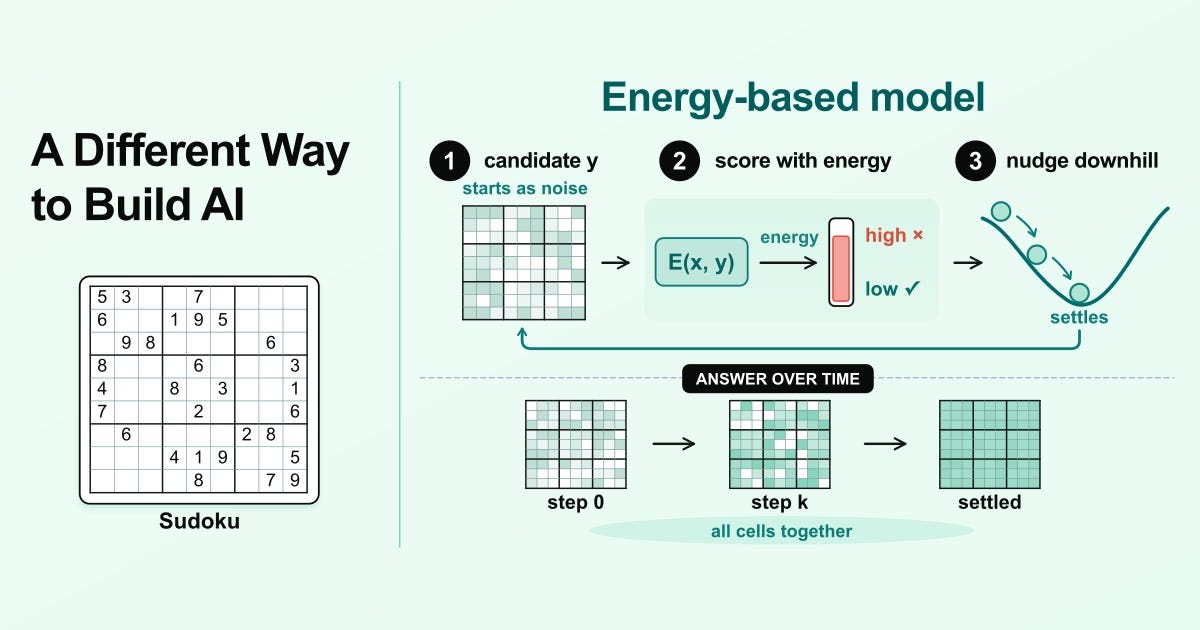
  16. How to Build Models Without Language, with Logical Intelligence

    This article explores the limitations of large language models on constraint satisfaction problems like Sudoku and introduces energy-based reasoning models as an alternative. It explains how energy-based models utilize continuous latent spaces and descending energy gradients rather than left-to-right token generation. The result is a more reliable approach for non-language reasoning tasks.

    DEPTH ■■■■■19 min read2 weeks ago

    Sign in to save and rate

  17. Fragments: October 4

    This post discusses the evolving role of software development and code in the era of large language models. It explores how shifting from deterministic building to inferential nurturing changes processes, why high-level representations remain critical for managing context windows, and how conceptual modeling becomes more important than the mechanical act of writing instructions.

    DEPTH ■■■■■7 min read3 weeks ago

    Sign in to save and rate

  18. Principles for effective slides

    Presenters often rely on text-heavy slide decks that distract audiences and undermine storytelling. To fix this, speakers can use minimalist slides as a complementary visual channel to control the rate of information and manage cognitive load. This approach leads to more engaging presentations where visuals reinforce the spoken narrative rather than replace it.

    DEPTH ■■■■■12 min read3 weeks ago

    Sign in to save and rate

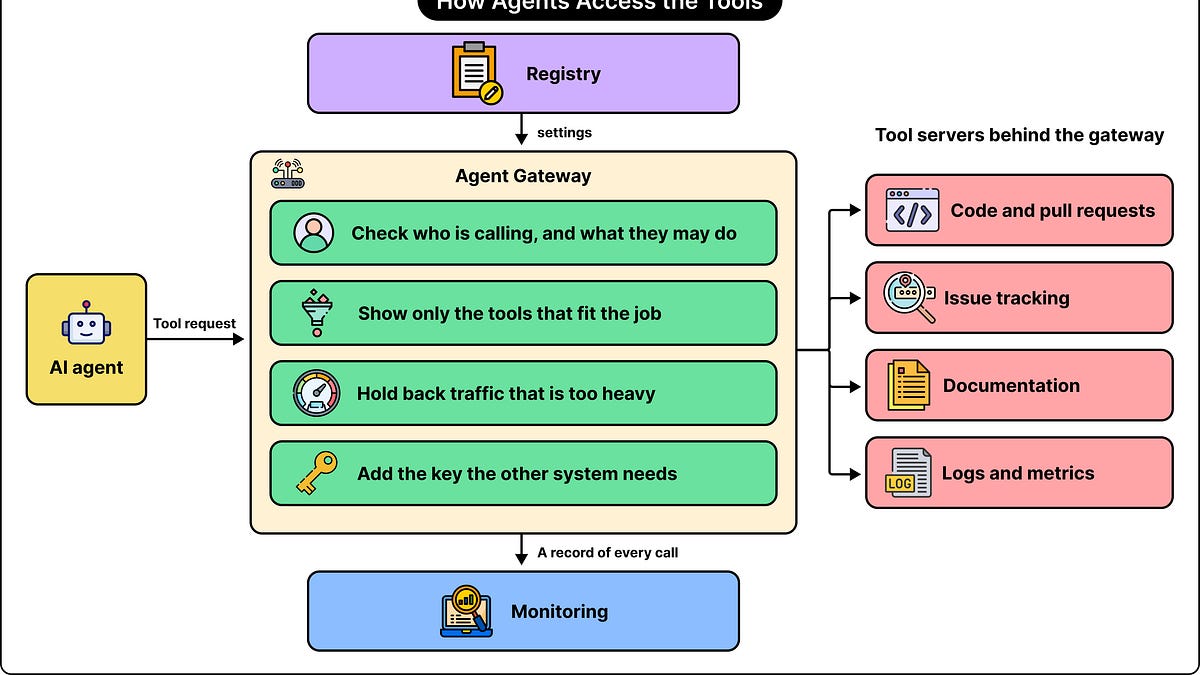
  19. How DoorDash Built a Toolbox for AI Agents

    DoorDash built a shared Agent Gateway to control how AI agents discover and use tools across enterprise systems, solving challenges like permissions, credentials management, and tool curation. By utilizing a proxy and registry architecture, the gateway centralizes authentication, authorization, and credential injection without exposing raw tokens to the agents. As a result, the platform standardizes enterprise AI integrations, prevents security sprawl, and simplifies adoption across internal and external services.

    DEPTH ■■■■■15 min read3 weeks ago

    Sign in to save and rate

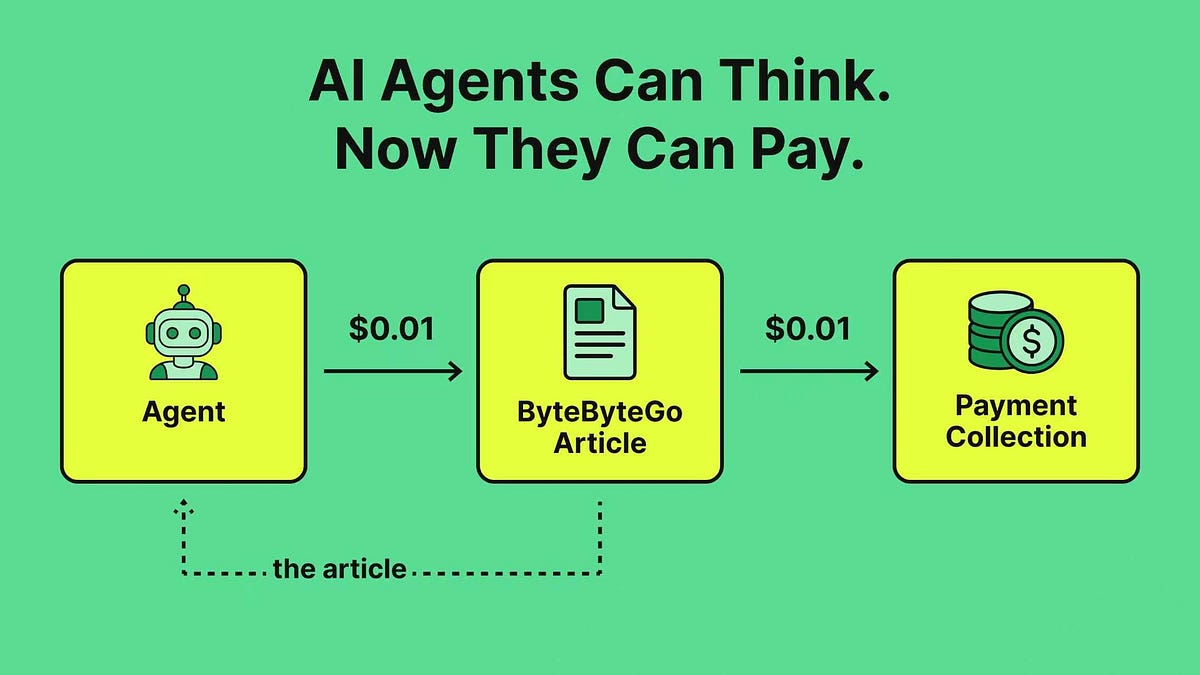
  20. AI Agents Can Think. Now They Can Pay.

    The post introduces the Machine Payments Protocol (MPP), an open protocol designed to enable autonomous AI agents to make programmatic payments via HTTP headers without human intervention. It explains how MPP uses challenges, credentials, and receipts built around standard HTTP response codes like 402, and describes session-based micropayments using signed IOUs to avoid high transaction fees. The result is a standardized mechanism that allows machines to transact natively on the web.

    DEPTH ■■■■■14 min read4 weeks ago

    Sign in to save and rate