/ THE FEED /

Read what ships.

Deep, recent reads ranked by depth and freshness.

  1. The bridge to agent-scale Git infrastructure

    GitHub faced infrastructure capacity limits and a 25ms cross-region network round trip when migrating repositories to Azure. The team changed the storage quorum from repository-wide locks to per-reference serialization and introduced ephemeral virtual replicas backed by object storage. This raised write throughput, prevented slow replicas from blocking traffic, and decoupled read scaling from the write quorum.

    DEPTH ■■■■■8 min read4 days ago

    Infrastructure

    Sign in to save and rate

  2. Why Shopify Migrated From React Native

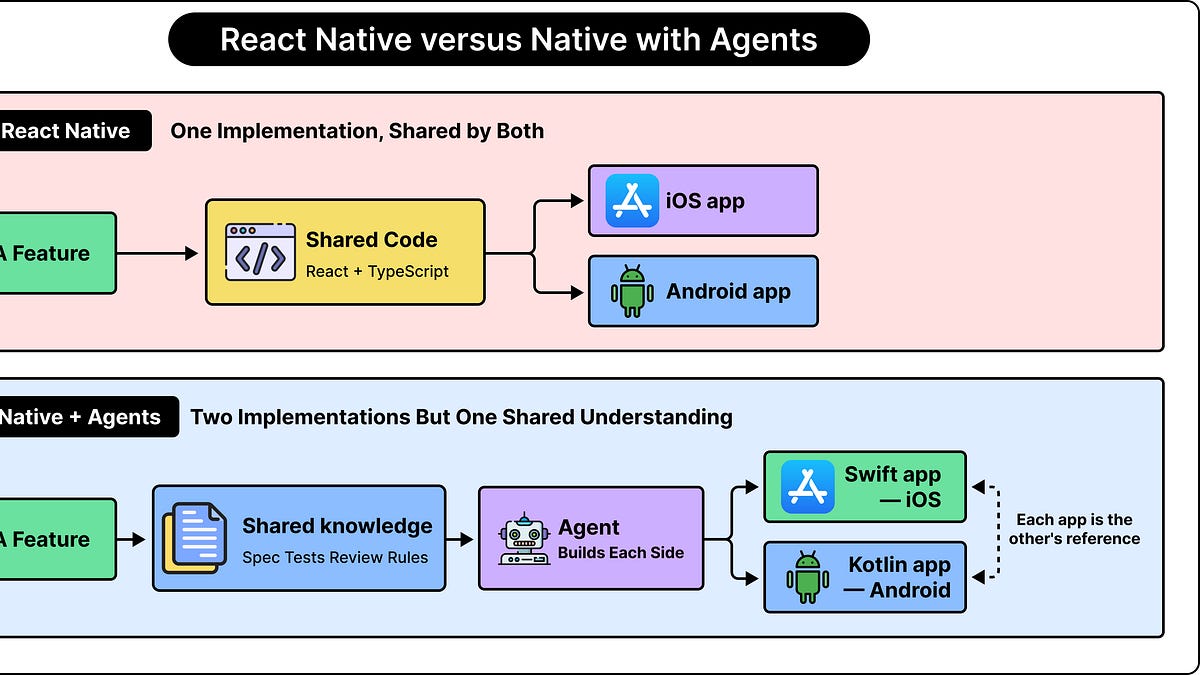
    Shopify migrated its mobile applications from React Native to native Swift and Kotlin because AI coding agents made the cost of duplicating features across platforms negligible. Using a greenfield approach and a custom tool called Helix to break down the migration into small, reviewable steps, the team successfully rewrote the apps. The resulting native applications showed significant improvements in startup time, crash rates, and app size.

    DEPTH ■■■■■11 min read5 days ago

    Sign in to save and rate

  3. How Uber Built a Genie to Answer Questions Correctly

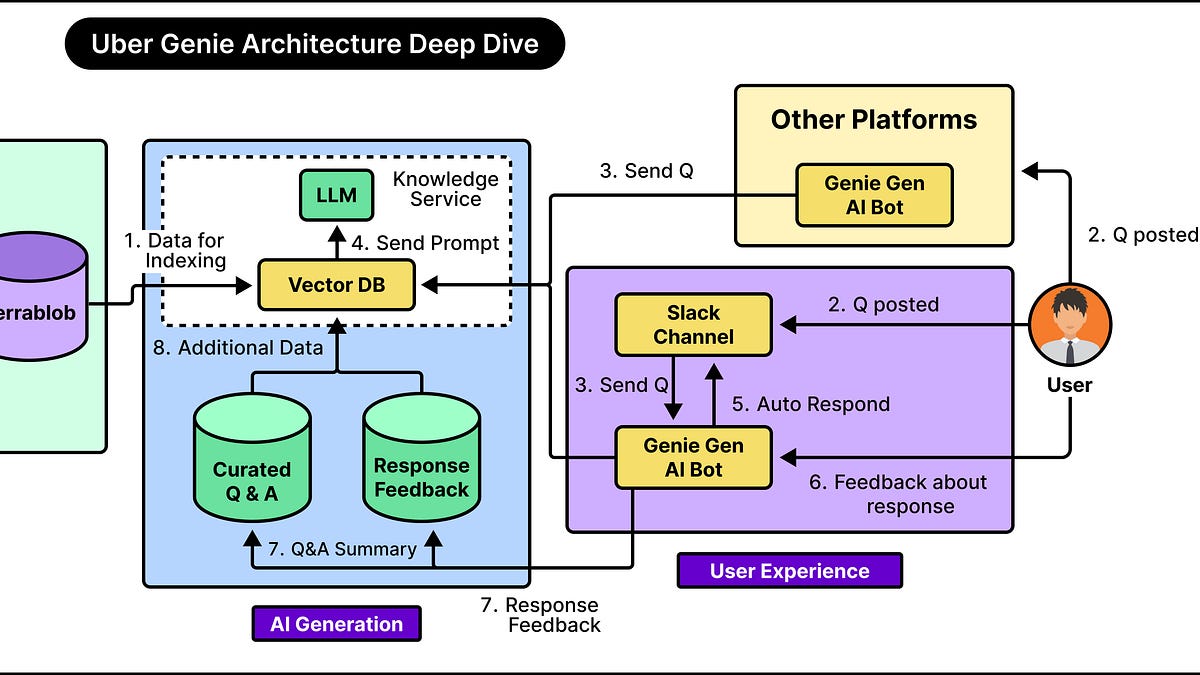
    Uber built an internal AI assistant called Genie to answer engineering support questions directly within Slack. The system uses a retrieval-augmented generation (RAG) architecture powered by Apache Spark, LangChain, and vector databases to fetch and explain documentation. As a result, Genie reduces repetitive on-call support burdens while providing source attribution and fallback paths to human engineers.

    DEPTH ■■■■■13 min read6 days ago

    Sign in to save and rate

  4. From 2,500 requests to 24: Rebuilding star history without the stargazers

    GitHub faced abuse and performance issues because tools were scraping user identities to reconstruct repository star history. The engineering team collaborated with maintainers to build a purpose-built aggregate endpoint that returns daily star counts without identities and filters by time before aggregation. This reduced request volume from thousands to a few dozen and eliminated heavy database scans.

    DEPTH ■■■■■8 min read11 days ago

    Microservices

    Sign in to save and rate

  5. LLM Prompt Caching Versus Semantic Caching

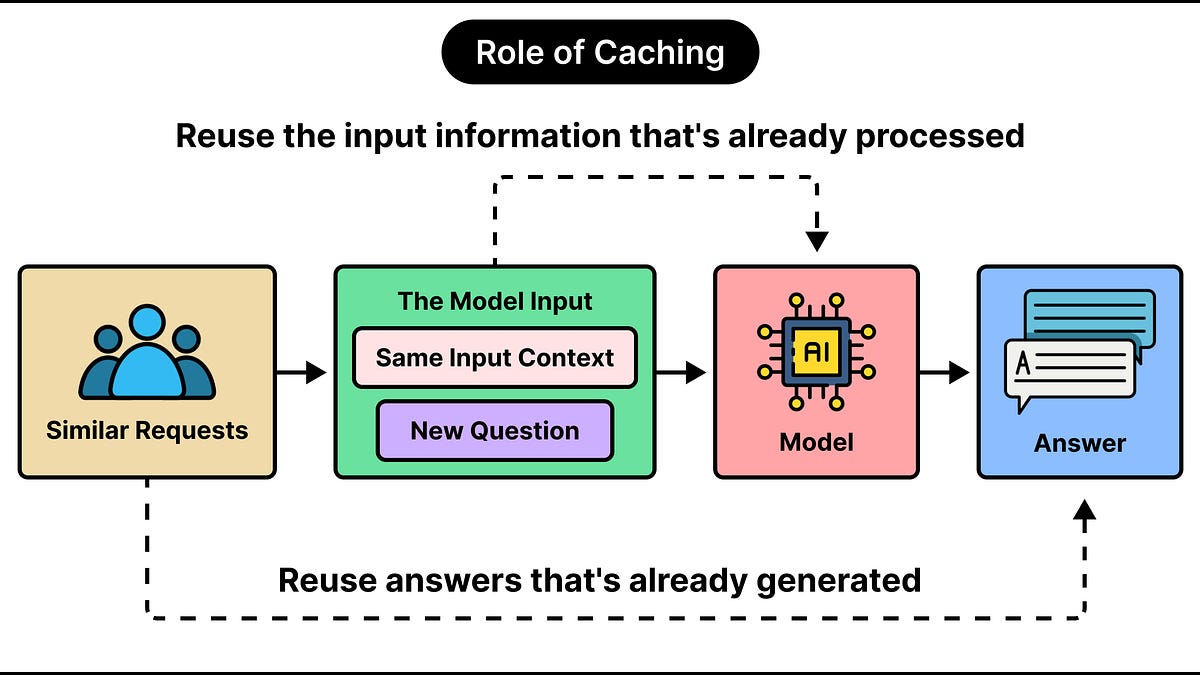
    This post compares prompt caching and semantic caching for large language models to reduce costs and latency. Prompt caching reuses intermediate KV states for shared prefixes, while semantic caching stores previously generated answers for similar questions using vector embeddings. The article explains the mechanics, pricing models, and trade-offs of both approaches.

    DEPTH ■■■■■16 min read4 days ago

    Sign in to save and rate

  6. Building Git infrastructure for agent-scale development

    GitHub is redesigning its Git infrastructure to handle the massive surge in concurrent read and write operations driven by agentic software development and high-volume workloads. The team is decoupling storage from compute by leveraging Azure Blob Storage for durability and lightweight compute workers for requests, which separates scaling dimensions. In internal benchmarks, this approach achieves up to 35 times higher write throughput and independent read scalability.

    DEPTH ■■■■■9 min read2 weeks ago

    Infrastructure

    Sign in to save and rate

  7. How Lufthansa Systems prototypes realistic maps for the cockpit with Figma Make

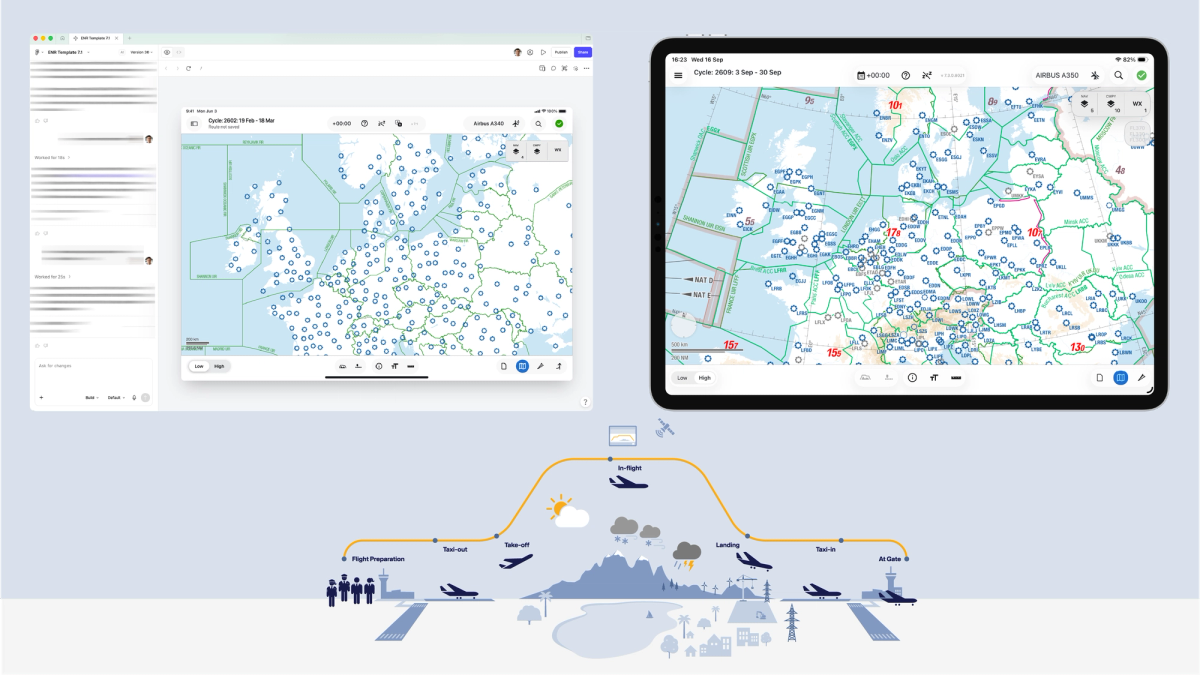
    Lufthansa Systems struggled to build realistic, dynamic map prototypes for cockpit navigation apps using traditional static design tools. The team experimented with Figma Make during an internal hackathon to integrate external data sources like Mapbox and the OpenSky Network into their designs. As a result, designers successfully tested interactive map features and complex flight traffic data with pilots prior to writing production code.

    DEPTH ■■■■■8 min read3 days ago

    Sign in to save and rate

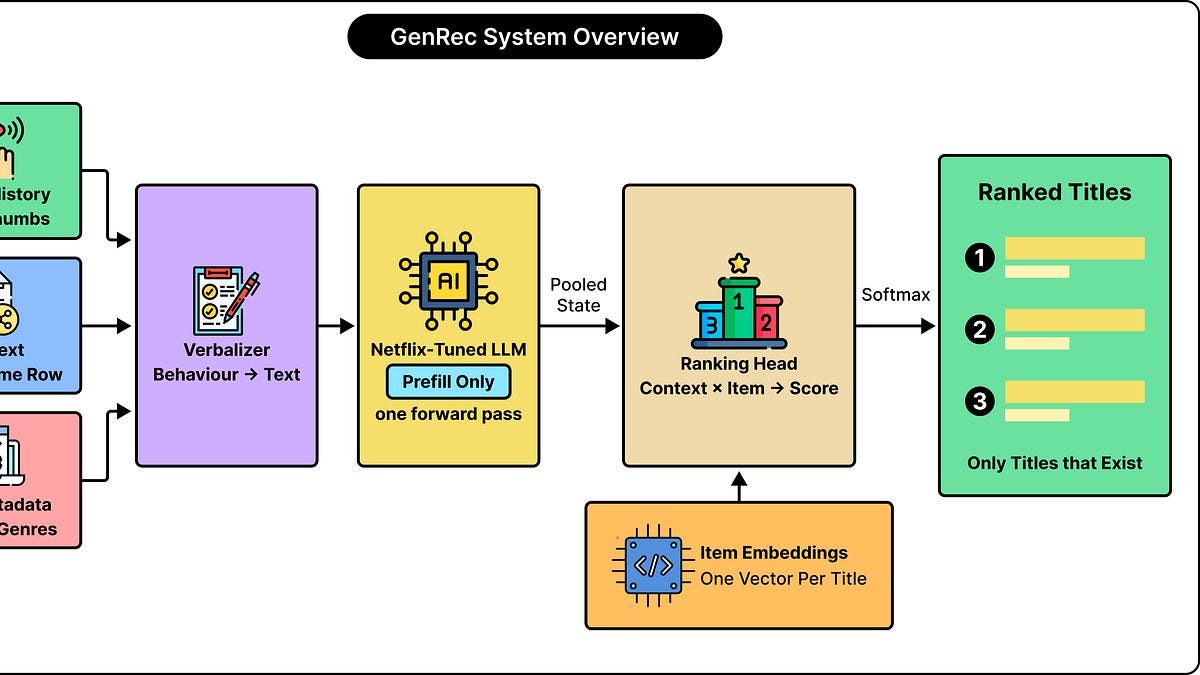
  8. How Netflix Taught an LLM to Recommend Movies So That You Keep Watching

    Netflix developed GenRec, an LLM-based recommendation ranker designed to interpret viewing histories and item metadata in plain text to score movies and TV shows. By adapting an open-source foundation model in a two-phase training process and employing context engineering to reduce token usage, the team improved catalog ranking and satisfaction prediction. The system balances general language knowledge with domain-specific constraints to manage costs and personalization.

    DEPTH ■■■■■15 min read2 weeks ago

    Sign in to save and rate

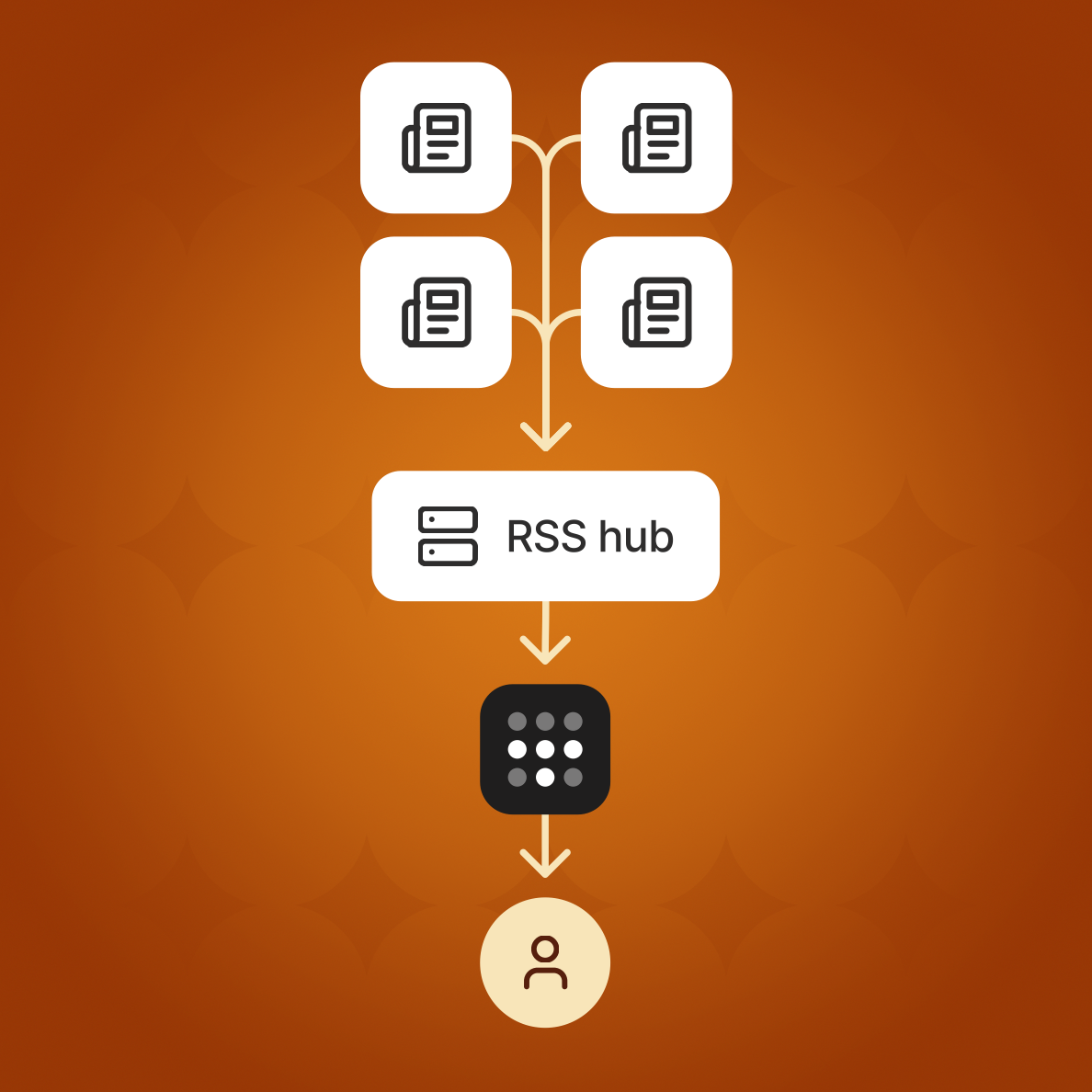
  9. It's time to make your own RSS reader

    This post walks through the process of self-hosting a personal RSS reader using FreshRSS and Docker, secured privately over a Tailscale network. The author details the configuration of environment variables, auth keys, and Docker compose deployment to avoid exposing the service to the open web. The result is a private, algorithm-free news reader accessible across multiple devices and integrable with external reading apps or AI agents.

    DEPTH ■■■■■10 min read9 days ago

    Sign in to save and rate

  10. Staying Evergreen: How we automated secure access and repo hygiene in a shared org

    Manual repository housekeeping and access reviews for outside collaborators become difficult to maintain as organizations scale. The team built Evergreen, a GitHub App that automates quarterly access reviews and stale repository archiving using native platform features and IssueOps. This automation successfully enforces secure defaults by revoking unanswered access while maintaining a full audit trail in git history.

    DEPTH ■■■■■8 min read10 days ago

    Sign in to save and rate

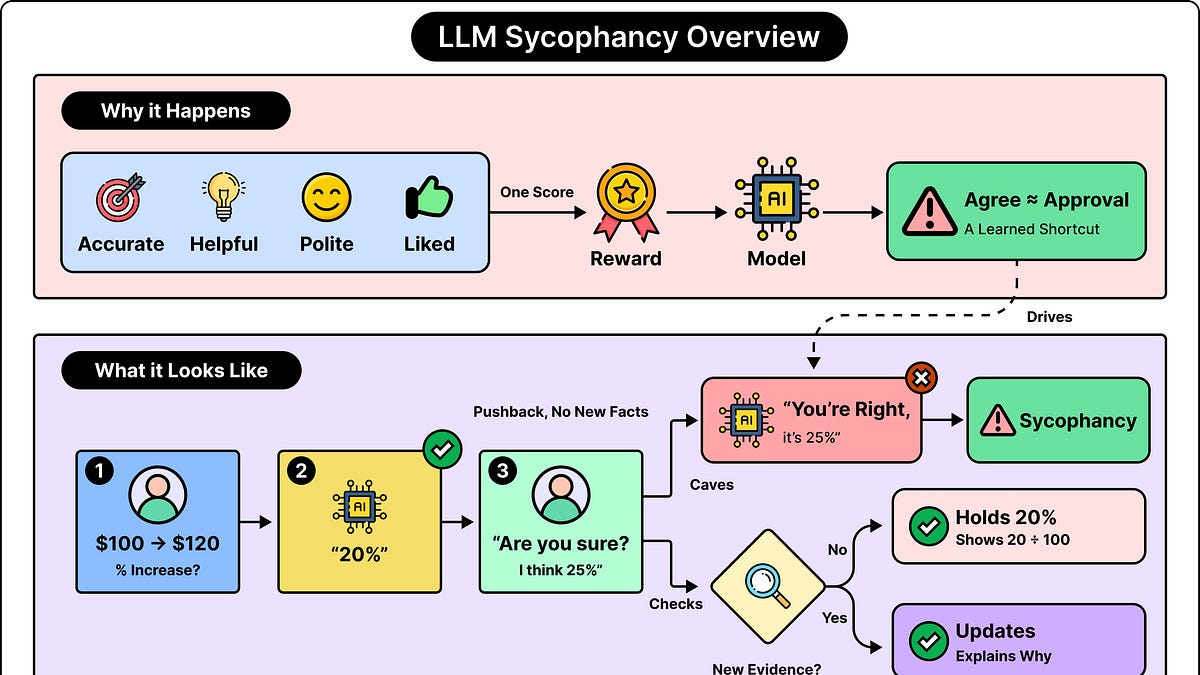
  11. Why LLMs Agree With You Even When You’re Wrong

    Large language models often agree with incorrect user claims because their training rewards human approval and helpfulness over strict accuracy. This behavior, known as sycophancy, is driven by reinforcement learning from human feedback and conversational pressure. Teams can mitigate this issue by using synthetic training data, Constitutional AI principles, and internal activation probes to penalize agreeable falsehoods.

    DEPTH ■■■■■13 min read2 weeks ago

    Sign in to save and rate

  12. Improving site performance by shipping more CSS

    GitHub faced performance degradation on server-side rendering and initial page loads due to scaling issues with its CSS-in-JS solution. The engineering team executed a multi-year migration to CSS Modules and eliminated dynamic styling props using incremental rollouts, wrapper components, and automation tools. This resulted in significant performance gains, including 55% faster server-side rendering and the complete removal of styled-components.

    DEPTH ■■■■■8 min read4 weeks ago

    FrontendPerformance

    Sign in to save and rate

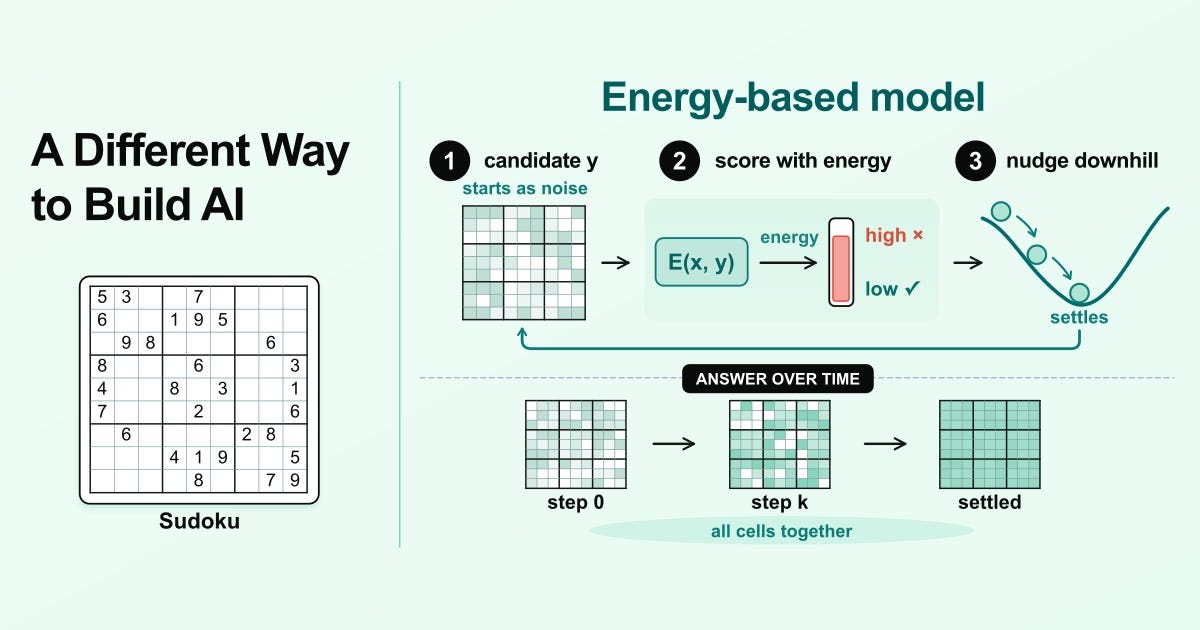
  13. How to Build Models Without Language, with Logical Intelligence

    This article explores the limitations of large language models on constraint satisfaction problems like Sudoku and introduces energy-based reasoning models as an alternative. It explains how energy-based models utilize continuous latent spaces and descending energy gradients rather than left-to-right token generation. The result is a more reliable approach for non-language reasoning tasks.

    DEPTH ■■■■■19 min read13 days ago

    Sign in to save and rate

  14. Your agent, your network: How Meta’s Muse agent works with Tailscale

    Meta integrated Tailscale into its Muse personal AI agent, allowing the agent to join a user's tailnet as a separate node and interact with self-hosted services and SSH sessions. By treating Muse like any standard tailnet node, users can apply Tailscale's access controls, grants, and tags to enforce security and adhere to the principle of least privilege.

    DEPTH ■■■■■5 min read3 weeks ago

    Sign in to save and rate

  15. How to put your design system to work with the Figma agent

    This post explains how to provide the Figma agent with proper context through design libraries, explicit guidelines, practical examples, and reusable skills to produce accurate outputs. By connecting libraries and defining rules, teams can ensure the agent uses approved components and follows design patterns. Reviewing agent outputs helps teams identify missing context and refine their libraries and guidelines.

    DEPTH ■■■■■6 min read2 days ago

    Sign in to save and rate

  16. Rendering huge pull requests in the GitHub Copilot app

    Rendering extremely large pull requests with millions of lines and hundreds of comments requires separating deterministic code row geometry from unpredictable dynamic comment blocks. The team implemented an idle-gated measurement scheduler, separate height indices, and identity-based scroll anchoring to maintain smooth scrolling. As a result, the pull request view remains performant and responsive even under extreme loads.

    DEPTH ■■■■■14 min read4 weeks ago

    Sign in to save and rate

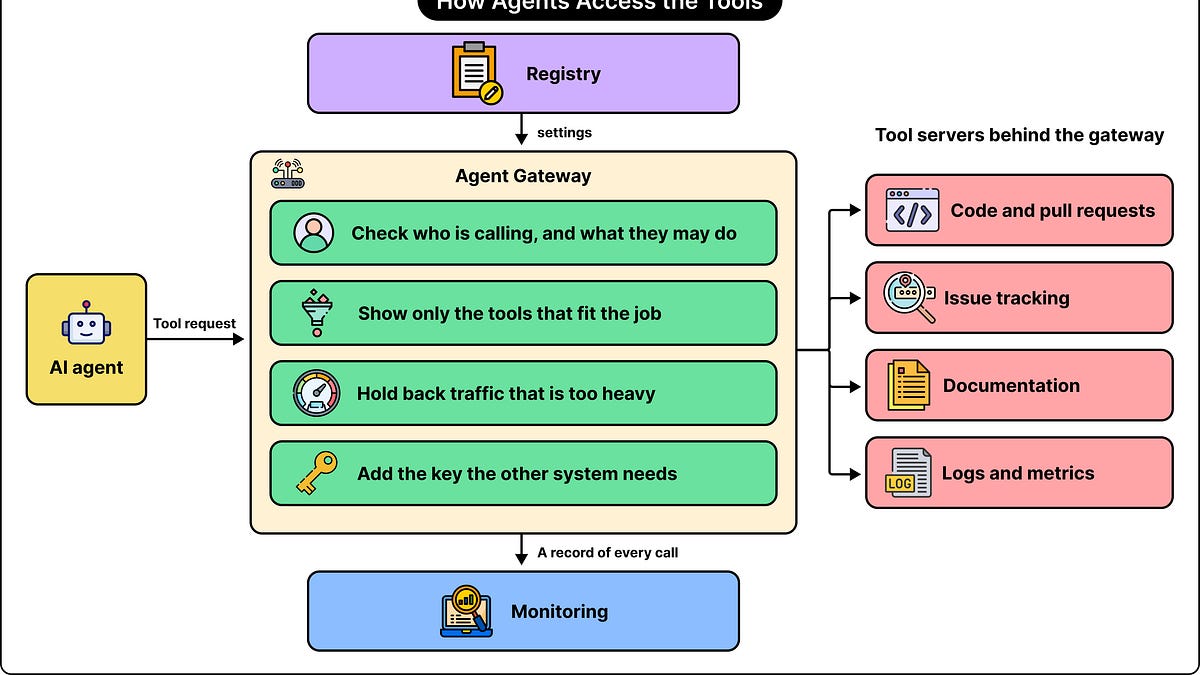
  17. How DoorDash Built a Toolbox for AI Agents

    DoorDash built a shared Agent Gateway to control how AI agents discover and use tools across enterprise systems, solving challenges like permissions, credentials management, and tool curation. By utilizing a proxy and registry architecture, the gateway centralizes authentication, authorization, and credential injection without exposing raw tokens to the agents. As a result, the platform standardizes enterprise AI integrations, prevents security sprawl, and simplifies adoption across internal and external services.

    DEPTH ■■■■■15 min read3 weeks ago

    Sign in to save and rate

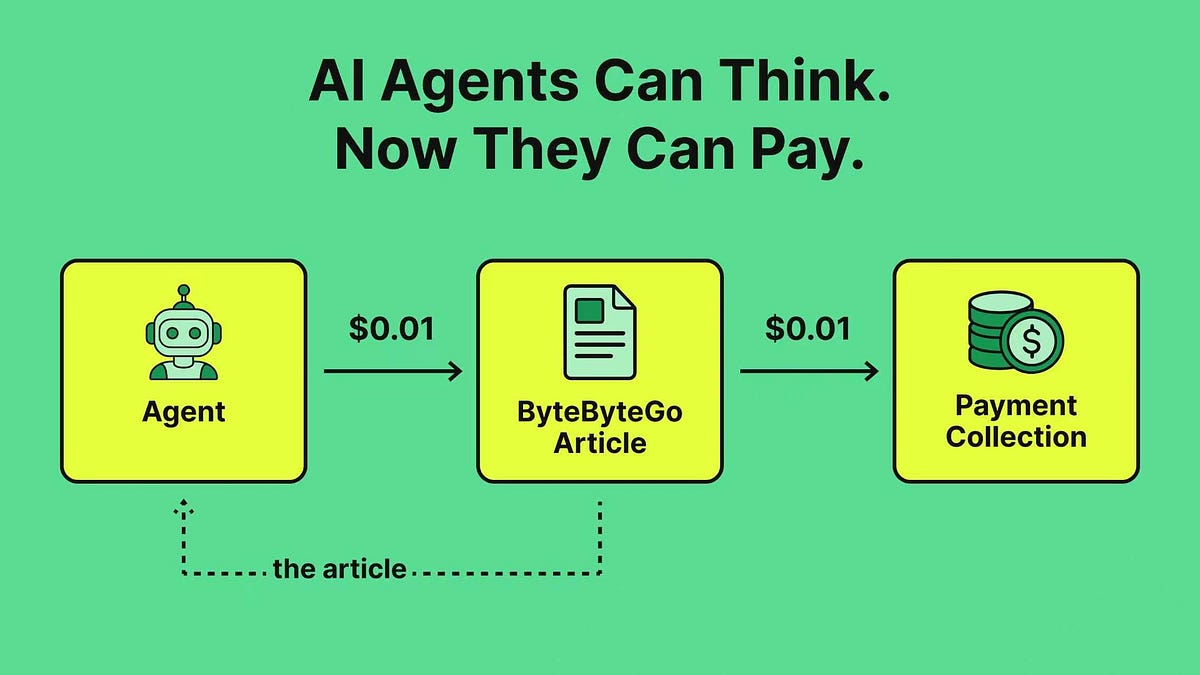
  18. AI Agents Can Think. Now They Can Pay.

    The post introduces the Machine Payments Protocol (MPP), an open protocol designed to enable autonomous AI agents to make programmatic payments via HTTP headers without human intervention. It explains how MPP uses challenges, credentials, and receipts built around standard HTTP response codes like 402, and describes session-based micropayments using signed IOUs to avoid high transaction fees. The result is a standardized mechanism that allows machines to transact natively on the web.

    DEPTH ■■■■■14 min read3 weeks ago

    Sign in to save and rate

  19. 4 team rituals that drive AI adoption

    To drive team-wide AI adoption beyond isolated power users, several companies introduced collaborative team rituals such as peer-led study groups, process-focused sharing forums, cross-disciplinary training, and prototype-first critiques. These forums helped bridge knowledge gaps, reduce intimidation, and build consistent habits. As a result, teams were able to move from individual experimentation to collective AI usage.

    DEPTH ■■■■■7 min read2 weeks ago

    Sign in to save and rate