/ THE FEED /

Read what ships.

Deep, recent reads ranked by depth and freshness.

  1. PHP2Shell: GitLab helps find and remediate critical PHP flaws

    Critical remote code execution vulnerabilities known as PHP2Shell affect the PHP engine across multiple versions, requiring immediate runtime updates to fixed versions or patched distribution packages. The team utilized platform features like container scanning, code search, and automated agent workflows to locate PHP projects and remediate vulnerabilities. Operators must also check logs and environments for signs of compromise as framework updates and input validations cannot prevent these engine-level flaws.

    DEPTH ■■■■■10 min read3 days ago
    ArchitectureSecurity

    Sign in to save and rate

  2. Make every AI credit count: See, cap, and reduce agent spend

    Uncontrolled AI agent spending can be mitigated by combining open-weight models, centralized context graphs to reduce retries, and usage analytics with credit caps. GitLab introduced these capabilities in its Duo Agent Platform to help platform teams trace, limit, and optimize AI credit consumption. The resulting architecture matches specific tasks to lower-cost models while maintaining task completion quality.

    DEPTH ■■■■■6 min read12 days ago

    Sign in to save and rate

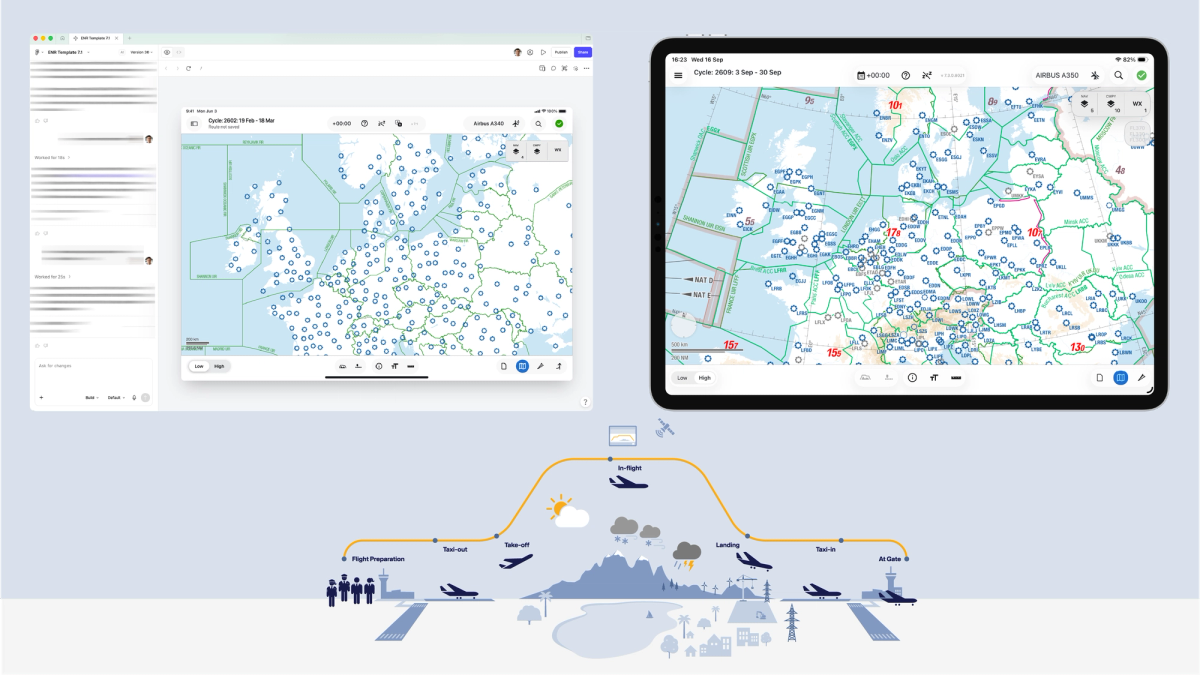
  3. How Lufthansa Systems prototypes realistic maps for the cockpit with Figma Make

    Lufthansa Systems struggled to build realistic, dynamic map prototypes for cockpit navigation apps using traditional static design tools. The team experimented with Figma Make during an internal hackathon to integrate external data sources like Mapbox and the OpenSky Network into their designs. As a result, designers successfully tested interactive map features and complex flight traffic data with pilots prior to writing production code.

    DEPTH ■■■■■8 min read3 days ago

    Sign in to save and rate

  4. Behind the build: Generative plugins and shaders at Figma

    Figma developed generative plugins and shaders by replacing a prototype WebGL system with an enterprise-scale WebGPU pipeline, sandbox isolation, and custom UI kits. Through rapid prototyping and cross-functional collaboration, the team shipped the feature suite in two months for Config.

    DEPTH ■■■■■8 min read7 weeks ago

    Sign in to save and rate

  5. How do you actually measure the impact of AI on design?

    Figma conducted a multi-year research project to track the impact of AI on product design by building an AI sentiment index and running hundreds of AI-moderated interviews. To process the massive volume of qualitative data, the team engineered a custom thematic analysis tool and an internal dashboard to serve as a cross-functional source of truth. The results showed that AI's impact on workflows and collaboration nearly doubled over three years.

    DEPTH ■■■■■6 min read8 weeks ago

    Sign in to save and rate

  6. Workflow lab: Moving between design and code with agents

    A fictional engineering team struggles with AI-generated code that frequently strays from design specifications. By integrating Figma dev tools, an MCP server, and Code Connect into the workflow, the developer provides the coding agent with accurate design context and existing components. As a result, the agent produces production-ready code that matches design intent and reduces rework.

    DEPTH ■■■■■6 min read8 weeks ago

    Sign in to save and rate