/ THE FEED /

Read what ships.

Deep, recent reads ranked by depth and freshness.

  1. Shard design doesn't start from your tables

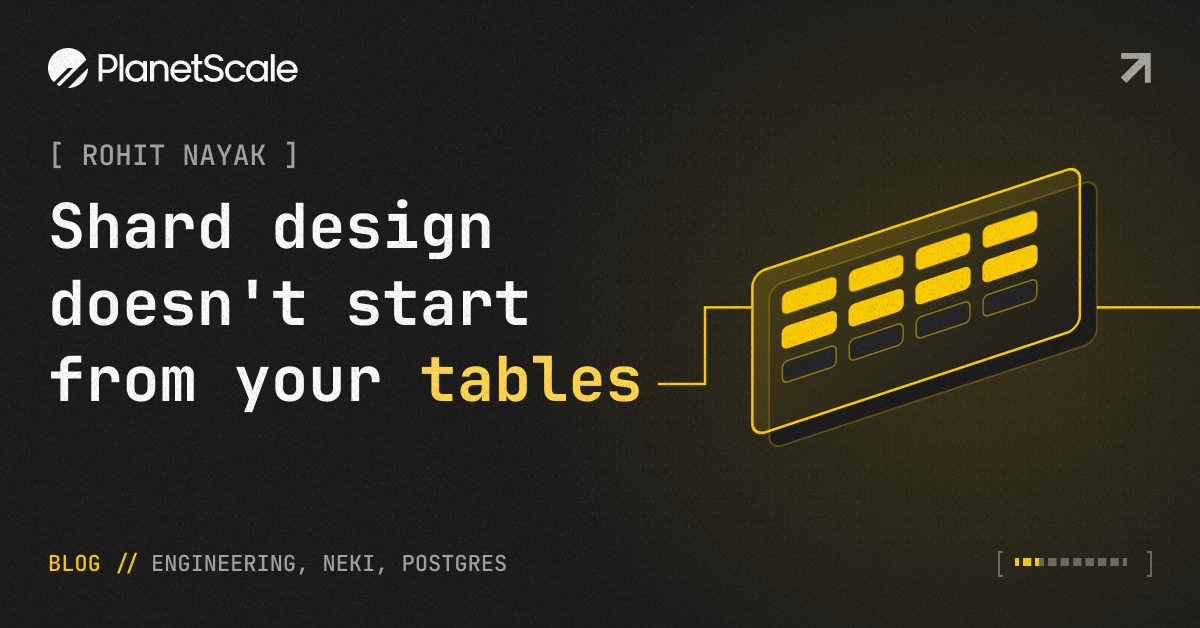
    Designing a sharded Postgres architecture requires grouping tables around shared query keys rather than starting from table structures alone. The post details how to configure shard groups, reference tables, SQL expressions in shard indexes, and global secondary indexes using Neki. This setup enables efficient single-shard queries and transactions while maintaining full Postgres semantics.

    DEPTH ■■■■■8 min read2 days ago
    PostgreSQL

    Sign in to save and rate

  2. PHP2Shell: GitLab helps find and remediate critical PHP flaws

    Critical remote code execution vulnerabilities known as PHP2Shell affect the PHP engine across multiple versions, requiring immediate runtime updates to fixed versions or patched distribution packages. The team utilized platform features like container scanning, code search, and automated agent workflows to locate PHP projects and remediate vulnerabilities. Operators must also check logs and environments for signs of compromise as framework updates and input validations cannot prevent these engine-level flaws.

    DEPTH ■■■■■10 min read3 days ago

    ArchitectureSecurity

    Sign in to save and rate

  3. I don't trust ON DELETE CASCADE

    Postgres ON DELETE CASCADE can cause production outages, replication failures, and performance degradation during large deletions or schema migrations due to long-running transactions holding locks and generating massive WAL. The author recommends using soft deletes with batched background cleanup instead to keep transactions short and bounded. This approach avoids table locks and simplifies data recovery.

    DEPTH ■■■■■5 min read4 days ago

    PostgreSQL

    Sign in to save and rate

  4. Make every AI credit count: See, cap, and reduce agent spend

    Uncontrolled AI agent spending can be mitigated by combining open-weight models, centralized context graphs to reduce retries, and usage analytics with credit caps. GitLab introduced these capabilities in its Duo Agent Platform to help platform teams trace, limit, and optimize AI credit consumption. The resulting architecture matches specific tasks to lower-cost models while maintaining task completion quality.

    DEPTH ■■■■■6 min read12 days ago

    Sign in to save and rate

  5. What gets TOASTed in Postgres

    This post examines how PostgreSQL uses TOAST to manage oversized rows and variable-length columns through compression and off-row storage. It compares the pglz and LZ4 compression algorithms across different workloads, highlighting trade-offs in search windows, file sizes, and CPU overhead. The analysis demonstrates how these mechanisms impact storage efficiency and read performance for large text and JSON data.

    DEPTH ■■■■■12 min read13 days ago

    PostgreSQL

    Sign in to save and rate

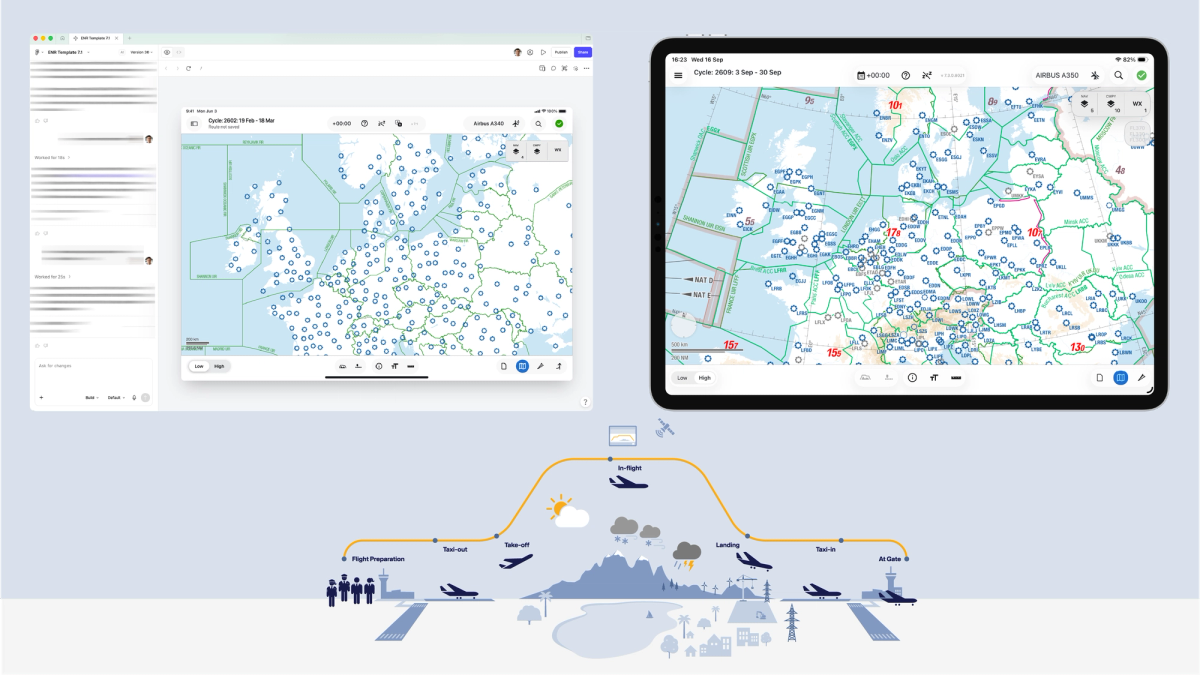
  6. How Lufthansa Systems prototypes realistic maps for the cockpit with Figma Make

    Lufthansa Systems struggled to build realistic, dynamic map prototypes for cockpit navigation apps using traditional static design tools. The team experimented with Figma Make during an internal hackathon to integrate external data sources like Mapbox and the OpenSky Network into their designs. As a result, designers successfully tested interactive map features and complex flight traffic data with pilots prior to writing production code.

    DEPTH ■■■■■8 min read3 days ago

    Sign in to save and rate

  7. TIN v1.0.6: 2-3x faster, with support for stemming

    Following competitive benchmarks that highlighted opportunities for optimization, the developers of the TIN full-text search index for Postgres released versions 1.0.4 and 1.0.6. These updates added Snowball stemming for 18 languages, optimized top-k sorting queries with deterministic tiebreakers, and improved overall query performance. As a result, benchmark tests show that TIN outperforms competing extensions across conjunction, disjunction, and phrase query workloads.

    DEPTH ■■■■■8 min read2 weeks ago

    PostgreSQL

    Sign in to save and rate

  8. Building a faster, lazier router for Postgres

    To reduce overhead when routing queries across PostgreSQL shards, the Neki router avoids unnecessary parsing and decodes responses lazily. By keeping data in its original wire format and only decoding columns when strictly required for operations like limits or sorting, the router significantly improves performance.

    DEPTH ■■■■■16 min read3 weeks ago

    Sign in to save and rate

  9. Sequences and other volatiles in Neki

    Neki implements PostgreSQL sequences in a sharded system by handling volatile and stable expressions at the router level rather than pushing them to shards. Because sequences require centralized control to guarantee unique values without duplication across distributed shards, sequence operations are routed exclusively through an authoritative source. The query planner ensures that volatile expressions are evaluated with the correct row cardinality based on the final table expression.

    DEPTH ■■■■■14 min read11 days ago

    Sign in to save and rate

  10. How to put your design system to work with the Figma agent

    This post explains how to provide the Figma agent with proper context through design libraries, explicit guidelines, practical examples, and reusable skills to produce accurate outputs. By connecting libraries and defining rules, teams can ensure the agent uses approved components and follows design patterns. Reviewing agent outputs helps teams identify missing context and refine their libraries and guidelines.

    DEPTH ■■■■■6 min read2 days ago

    Sign in to save and rate

  11. PlanetScale is now available on Azure

    PlanetScale expanded its database offering to Microsoft Azure by adapting its Kubernetes-based infrastructure to handle Azure's networking constraints. The engineering team overcame Azure's private IP limits and slow pod startup times by implementing block-based IP allocation via a custom CNI plugin. This approach successfully increased IP capacity and removed the Kubernetes API server from the critical path during pod initialization.

    DEPTH ■■■■■3 min read12 days ago

    Sign in to save and rate

  12. Three developer tasks worth handing to an agent

    The post explains how to use GitLab Duo Agent Platform features such as automated code reviews, CI/CD pipeline failure diagnosis, and cross-project chat. It provides setup instructions for configuration and outlines a consumption-based pricing model using credits. The features aim to automate routine developer workflows using broader project context than standard IDE assistants.

    DEPTH ■■■■■4 min read6 days ago

    Sign in to save and rate

  13. 4 team rituals that drive AI adoption

    To drive team-wide AI adoption beyond isolated power users, several companies introduced collaborative team rituals such as peer-led study groups, process-focused sharing forums, cross-disciplinary training, and prototype-first critiques. These forums helped bridge knowledge gaps, reduce intimidation, and build consistent habits. As a result, teams were able to move from individual experimentation to collective AI usage.

    DEPTH ■■■■■7 min read2 weeks ago

    Sign in to save and rate

  14. Workflow lab: Staying in the flow with Figma’s agent

    A fictional designer at Offtrail updates a permission settings flow using the Figma agent to handle repetitive maintenance, compliance checks, and component specs. By offloading busywork and context gathering to the agent, the designer focuses on feature logic and design decisions while keeping outputs connected in a shared canvas.

    DEPTH ■■■■■8 min read2 weeks ago

    Sign in to save and rate

  15. Handling hot shards

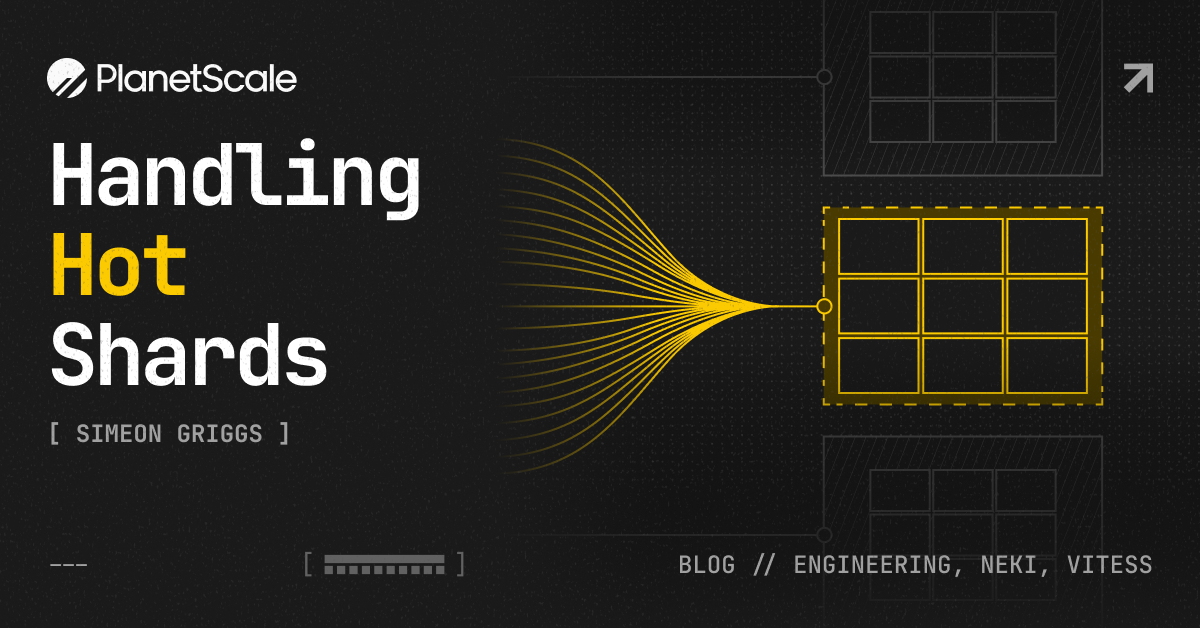
    Growing applications often encounter hot shards when certain tenants or data subsets outgrow initial sharding strategies based on workspace IDs. To mitigate this, teams can scale up resources, isolate large tenants into specific key ranges, or fundamentally change the shard key for problematic tables based on access patterns. Neki facilitates these adjustments by allowing declarative data topologies and online resharding without downtime.

    DEPTH ■■■■■7 min read3 weeks ago

    MySQLPostgreSQL

    Sign in to save and rate

  16. How to lighten design system upkeep with the Figma agent

    Design systems often suffer from maintenance overhead like documentation debt, naming inconsistencies, and drift between product screens and libraries. The Figma agent automates these upkeep tasks by drafting specs, auditing token and component usage, and bulk-replacing disconnected elements. This reduces manual toil and helps teams keep their design systems aligned with product work.

    DEPTH ■■■■■5 min read2 weeks ago

    Sign in to save and rate

  17. Behind the build: Generative plugins and shaders at Figma

    Figma developed generative plugins and shaders by replacing a prototype WebGL system with an enterprise-scale WebGPU pipeline, sandbox isolation, and custom UI kits. Through rapid prototyping and cross-functional collaboration, the team shipped the feature suite in two months for Config.

    DEPTH ■■■■■8 min read7 weeks ago

    Sign in to save and rate

  18. How do you actually measure the impact of AI on design?

    Figma conducted a multi-year research project to track the impact of AI on product design by building an AI sentiment index and running hundreds of AI-moderated interviews. To process the massive volume of qualitative data, the team engineered a custom thematic analysis tool and an internal dashboard to serve as a cross-functional source of truth. The results showed that AI's impact on workflows and collaboration nearly doubled over three years.

    DEPTH ■■■■■6 min read8 weeks ago

    Sign in to save and rate

  19. Workflow lab: Moving between design and code with agents

    A fictional engineering team struggles with AI-generated code that frequently strays from design specifications. By integrating Figma dev tools, an MCP server, and Code Connect into the workflow, the developer provides the coding agent with accurate design context and existing components. As a result, the agent produces production-ready code that matches design intent and reduces rework.

    DEPTH ■■■■■6 min read8 weeks ago

    Sign in to save and rate