/ THE FEED /

Read what ships.

Deep, recent reads ranked by depth and freshness.

  1. Cutting our inference bill by 68% by being obsessive about optimization

    An engineering team investigated a steady rise in AI code review costs and found that cache misses and redundant model calls were driving up expenses. By restructuring system prompts to enable cross-repository prompt caching, eliminating wasted tool calls, and switching to more efficient models, the team cut inference costs by 68% while also significantly improving review latency.

    DEPTH ■■■■■15 min read6 days ago

    Machine Learning

    Sign in to save and rate

  2. The Thin Orchestrator: How We Made Our AI Agents More Reliable by Giving the Router Less to Do

    Meta engineers reduced hallucinations and improved reliability in their data pipeline agents by replacing a single heavyweight LLM orchestrator with a thin deterministic router and fourteen specialized subagents. The thin orchestrator handles routing and reliability checks through a fixed protocol, while isolated subagents execute domain reasoning. This architecture reduced configuration preparation time from a day to under an hour.

    DEPTH ■■■■■7 min read6 days ago

    Machine Learning

    Sign in to save and rate

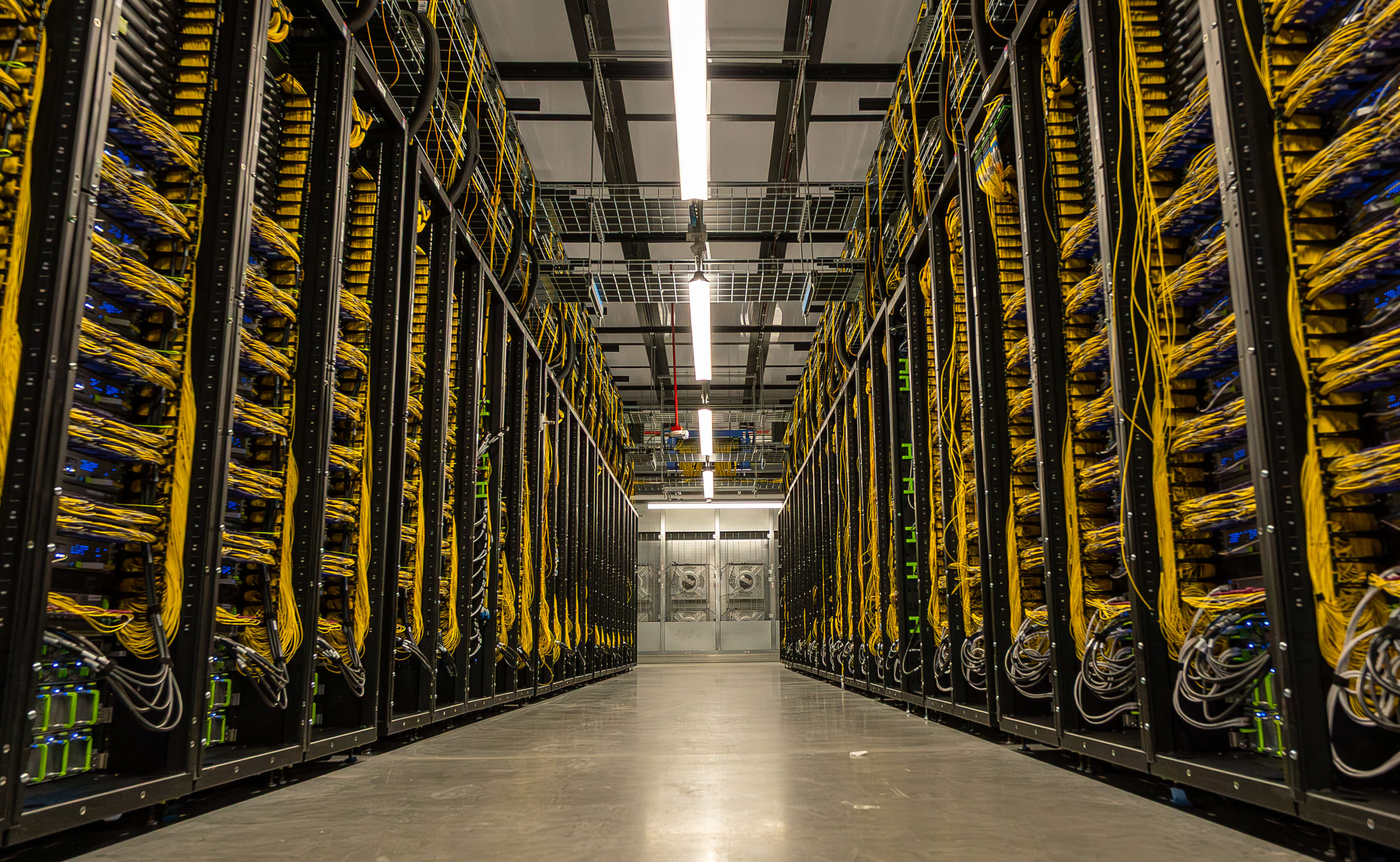
  3. Inside Prometheus: Meta’s Journey to a Gigawatt-Scale Supercluster

    Meta built Prometheus, a gigawatt-scale AI supercluster designed to scale up to one million GPUs using multi-generation NVIDIA hardware and specialized backend Ethernet networks. The team achieved high goodput and significantly reduced system interruptions by implementing an in-rack sparing strategy, parallelism-aware fault tolerance, and close co-engineering with vendors. These infrastructure advancements allowed the team to successfully train frontier foundational models like Muse Wonder.

    DEPTH ■■■■■17 min read6 days ago

    InfrastructureMachine Learning

    Sign in to save and rate

  4. How Commerce.com and Cloudflare are getting storefronts ready for AI agents

    Commerce.com and Cloudflare collaborated to enable WebMCP at the edge for nearly 100,000 storefronts, allowing AI agents to interact reliably with e-commerce sites using structured tools rather than fragile HTML scraping. The team implemented edge-level configuration rules using custom hostname metadata to provide individual merchants with a seamless opt-out mechanism and added support for custom MCP paths. This integration allows agents to execute shopping tasks directly within the active browser session while ensuring fallback safety and zero extra latency for opted-out stores.

    DEPTH ■■■■■6 min read4 days ago

    Machine Learning

    Sign in to save and rate

  5. Meta’s Generative Ads Model (GEM): Scaling the Central Model and Compute Engine for Frontier Ads AI

    Meta developed GEM, a unified recommendation foundation model using an LLM-style architecture called Kunlun to handle heterogeneous ads data across multiple surfaces. The team implemented block attention, custom low-precision kernels, and post-training intelligence transfer techniques like LoopFM and Solaris to scale training efficiency and bypass real-time serving latency bottlenecks. The resulting system delivered an 18.9% conversion improvement and a 12% click-through rate increase across Meta ads surfaces.

    DEPTH ■■■■■15 min read12 days ago

    Machine Learning

    Sign in to save and rate

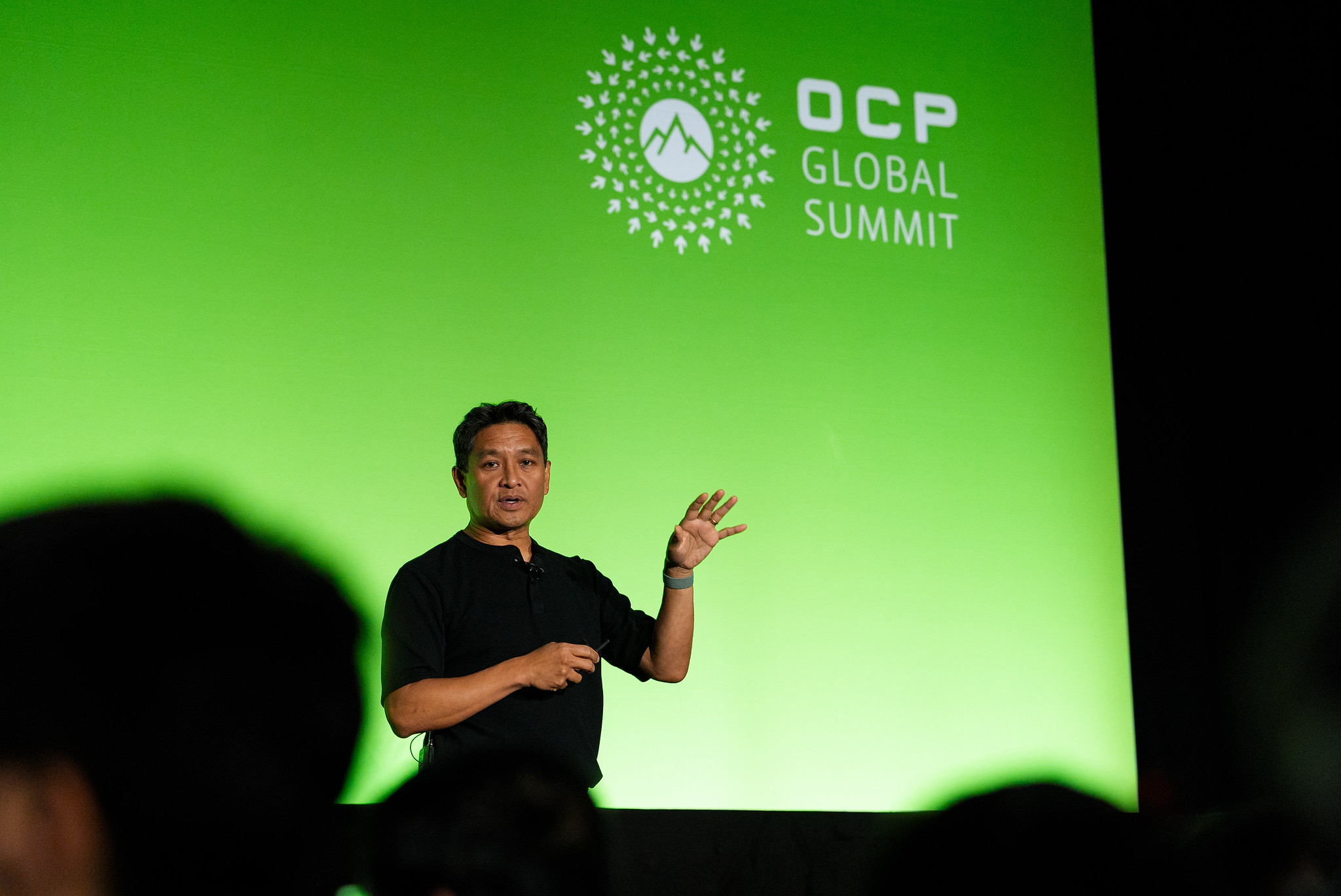
  6. OCP Summit 2026: Powering AI with Open Innovations in Scale-Up, Scale-Out, and Scale-Across Networks

    Meta shared its next-generation open networking infrastructure for AI at the OCP Summit 2026, including liquid-cooled 102.4T switch platforms, multiplane scale-out fabrics, and Ethernet-based scale-up solutions. The team also highlighted collaborative industry standards like ESUN and OSPA to unify hardware and transport layers. These open innovations aim to support massive gigawatt-scale AI clusters across diverse data center environments.

    DEPTH ■■■■■12 min read13 days ago

    Machine Learning

    Sign in to save and rate

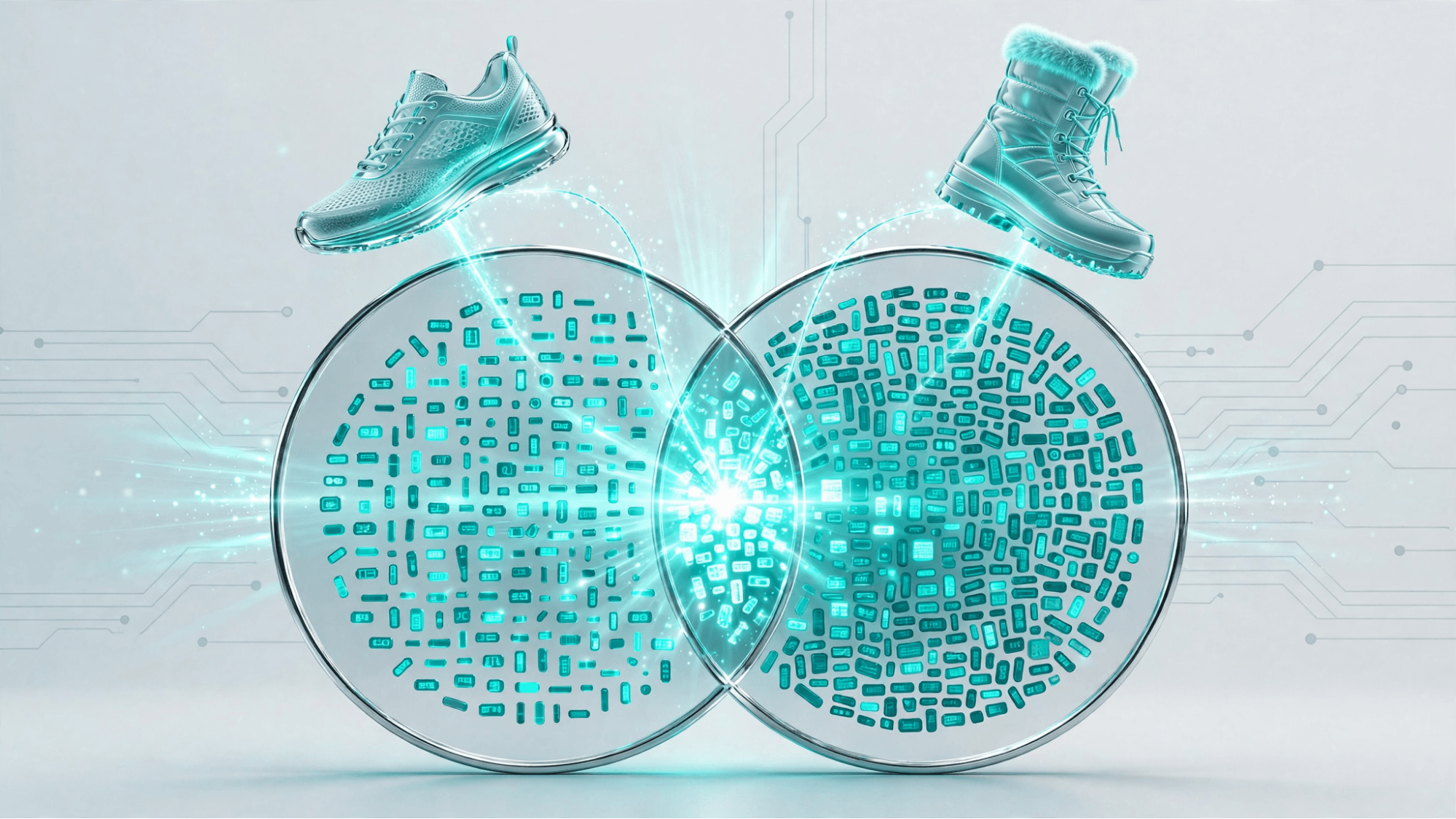
  7. GenRecs Tokenization: Transforming Ads Recommendation at Meta with Stable Model Vocabulary

    Meta implemented GenRecs Tokenization to replace dedicated item IDs with a stable semantic vocabulary for ads recommendation. Using a three-stage encoding and quantization pipeline, the system enables language models to reason about ad content and user preferences simultaneously. This approach resulted in a +0.35% lift in conversions and improved cold-start performance for new entities.

    DEPTH ■■■■■6 min read6 days ago

    Machine Learning

    Sign in to save and rate