/ THE FEED /

Read what ships.

Deep, recent reads ranked by depth and freshness.

  1. Automate medical coding with Step Functions and Amazon Bedrock AgentCore

    Automating medical coding requires a hybrid approach that combines deterministic orchestration with bounded agentic reasoning to ensure safety, auditability, and human oversight. The team built a workflow using AWS Step Functions, AWS Lambda, and Amazon Bedrock AgentCore that evaluates terms cheapest-first via block-lists, exact matching, and finally an LLM agent for ambiguous cases. This design successfully autocodes confident cases while routing ambiguous ones to human reviewers with full audit trails and decision explanations.

    DEPTH ■■■■■15 min read3 days ago
    AWS

    Sign in to save and rate

  2. Why Shopify Migrated From React Native

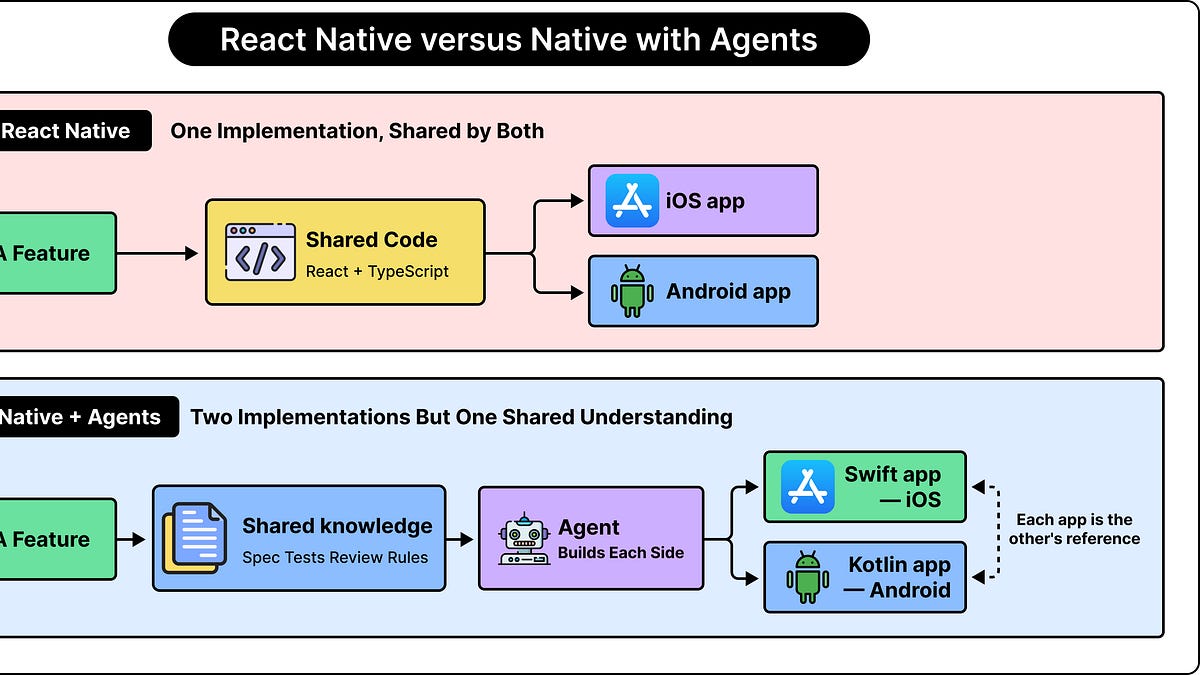
    Shopify migrated its mobile applications from React Native to native Swift and Kotlin because AI coding agents made the cost of duplicating features across platforms negligible. Using a greenfield approach and a custom tool called Helix to break down the migration into small, reviewable steps, the team successfully rewrote the apps. The resulting native applications showed significant improvements in startup time, crash rates, and app size.

    DEPTH ■■■■■11 min read5 days ago

    Sign in to save and rate

  3. How Uber Built a Genie to Answer Questions Correctly

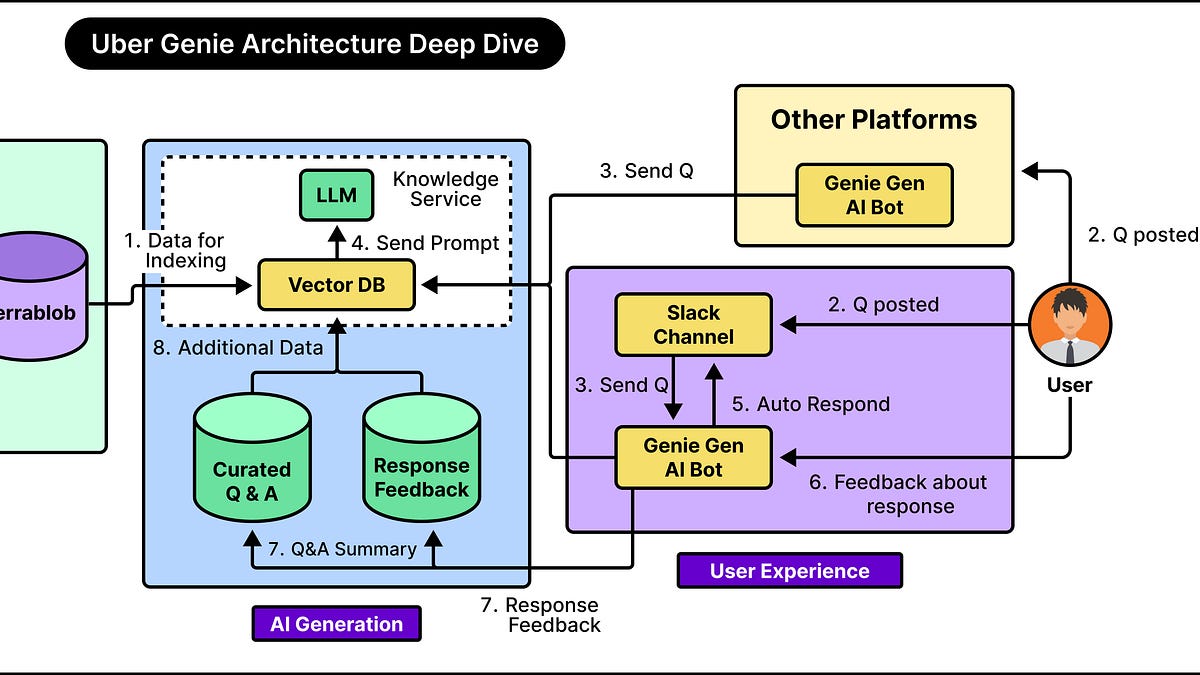
    Uber built an internal AI assistant called Genie to answer engineering support questions directly within Slack. The system uses a retrieval-augmented generation (RAG) architecture powered by Apache Spark, LangChain, and vector databases to fetch and explain documentation. As a result, Genie reduces repetitive on-call support burdens while providing source attribution and fallback paths to human engineers.

    DEPTH ■■■■■13 min read6 days ago

    Sign in to save and rate

  4. Multi-region disaster recovery for Amazon API Gateway WebSocket APIs

    Real-time applications using WebSocket connections face disruptions during regional AWS outages because connections are tied to specific regions. The team implemented an active-passive multi-region disaster recovery architecture using Route 53 DNS failover, DynamoDB Global Tables, an automated canary health probe, and client-side exponential backoff with jitter. This design automatically detects failures, redirects traffic, and restores client state without manual intervention.

    DEPTH ■■■■■10 min read11 days ago

    Sign in to save and rate

  5. How UTS established a modern curriculum data services foundation on AWS

    University of Technology Sydney rearchitected its curriculum data integration using serverless AWS services to decouple systems of record from downstream consumers. By implementing domain-driven design with an event-driven architecture and purpose-built persistence layers, the team achieved zero production incidents, low latency, and reduced operational overhead while managed by a single engineer.

    DEPTH ■■■■■9 min read11 days ago

    Sign in to save and rate

  6. LLM Prompt Caching Versus Semantic Caching

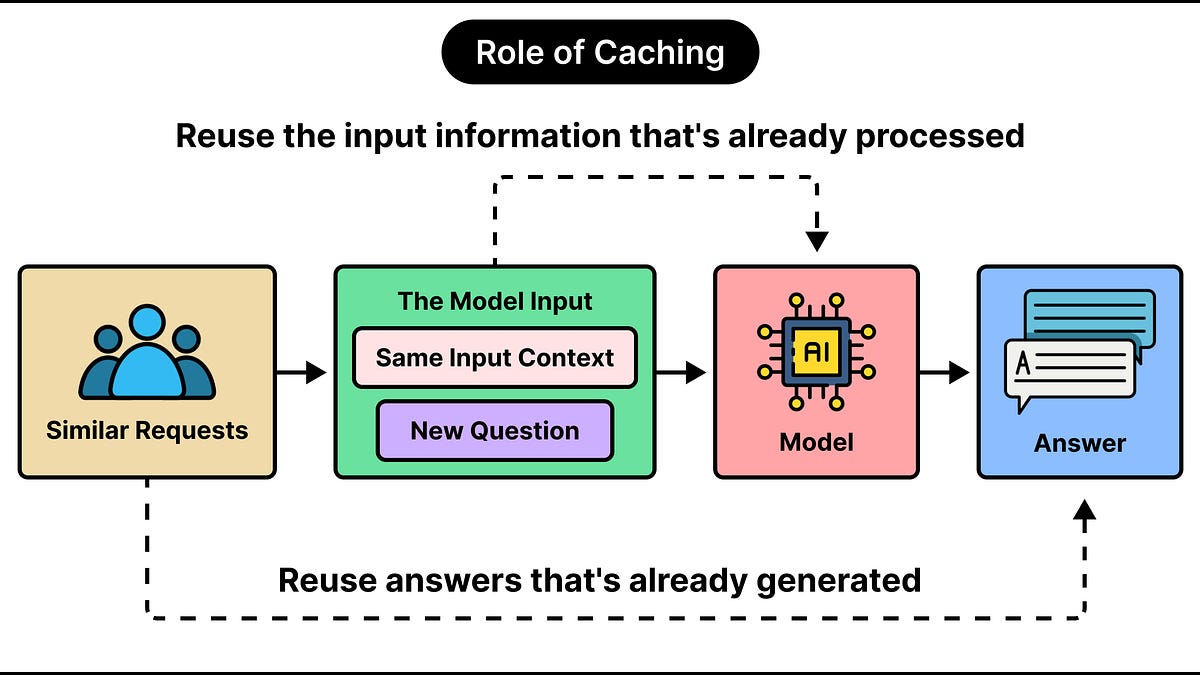
    This post compares prompt caching and semantic caching for large language models to reduce costs and latency. Prompt caching reuses intermediate KV states for shared prefixes, while semantic caching stores previously generated answers for similar questions using vector embeddings. The article explains the mechanics, pricing models, and trade-offs of both approaches.

    DEPTH ■■■■■16 min read4 days ago

    Sign in to save and rate

  7. Scope workloads and share resilience policies with AWS Resilience Hub

    Engineering teams often struggle to scope workloads and maintain up-to-date resilience policies in shared Kubernetes clusters after migrations or deployments. AWS Resilience Hub introduced features enabling Kubernetes label-based resource scoping, generative AI-powered dependency insights, and cross-account resilience policy sharing via AWS Organizations. These capabilities allow teams to isolate specific workloads, prioritize dependency investigations, and enforce centralized recovery standards.

    DEPTH ■■■■■14 min read11 days ago

    Sign in to save and rate

  8. How Netflix Taught an LLM to Recommend Movies So That You Keep Watching

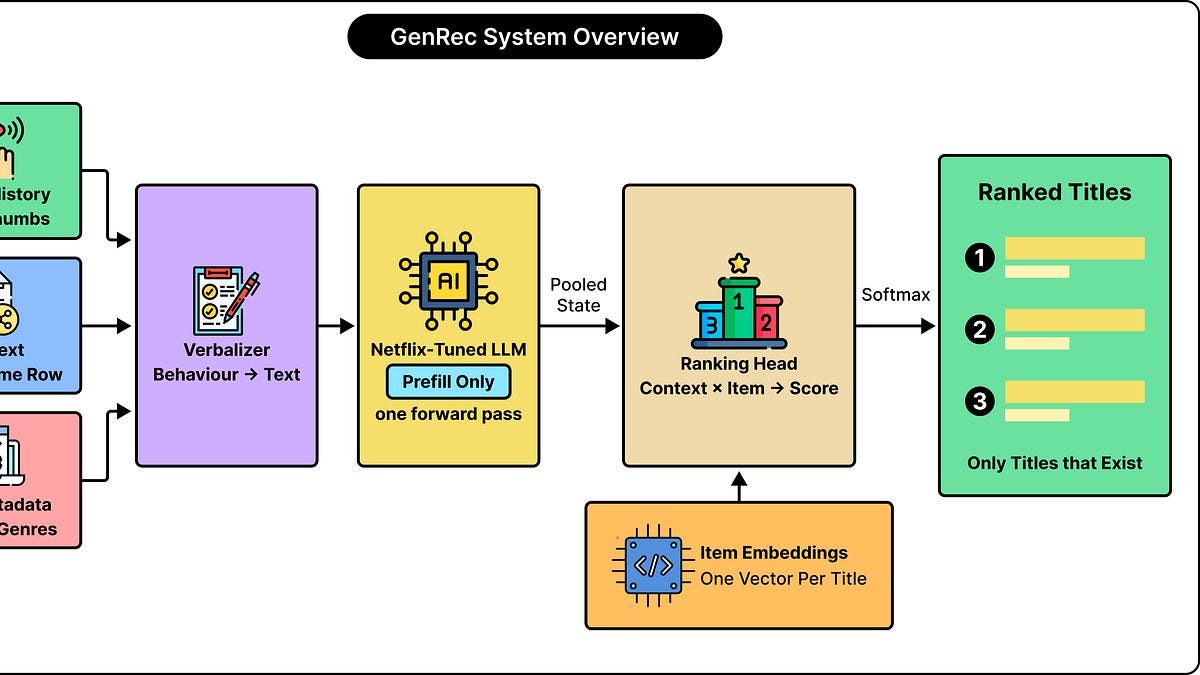
    Netflix developed GenRec, an LLM-based recommendation ranker designed to interpret viewing histories and item metadata in plain text to score movies and TV shows. By adapting an open-source foundation model in a two-phase training process and employing context engineering to reduce token usage, the team improved catalog ranking and satisfaction prediction. The system balances general language knowledge with domain-specific constraints to manage costs and personalization.

    DEPTH ■■■■■15 min read2 weeks ago

    Sign in to save and rate

  9. Stopping business email compromise with AI-driven email security: How VIPRE protects modern enterprises on AWS

    VIPRE developed an AI-driven, cloud-native email security solution on AWS to protect enterprises against business email compromise and advanced phishing attacks. The system uses layered machine learning, semantic analysis, and dynamic sandboxing orchestrated via serverless containers and message queues to evaluate over half a million messages daily. In production testing, the architecture successfully identified thousands of BEC attempts while maintaining low-latency processing and reducing administrative overhead.

    DEPTH ■■■■■12 min read12 days ago

    Sign in to save and rate

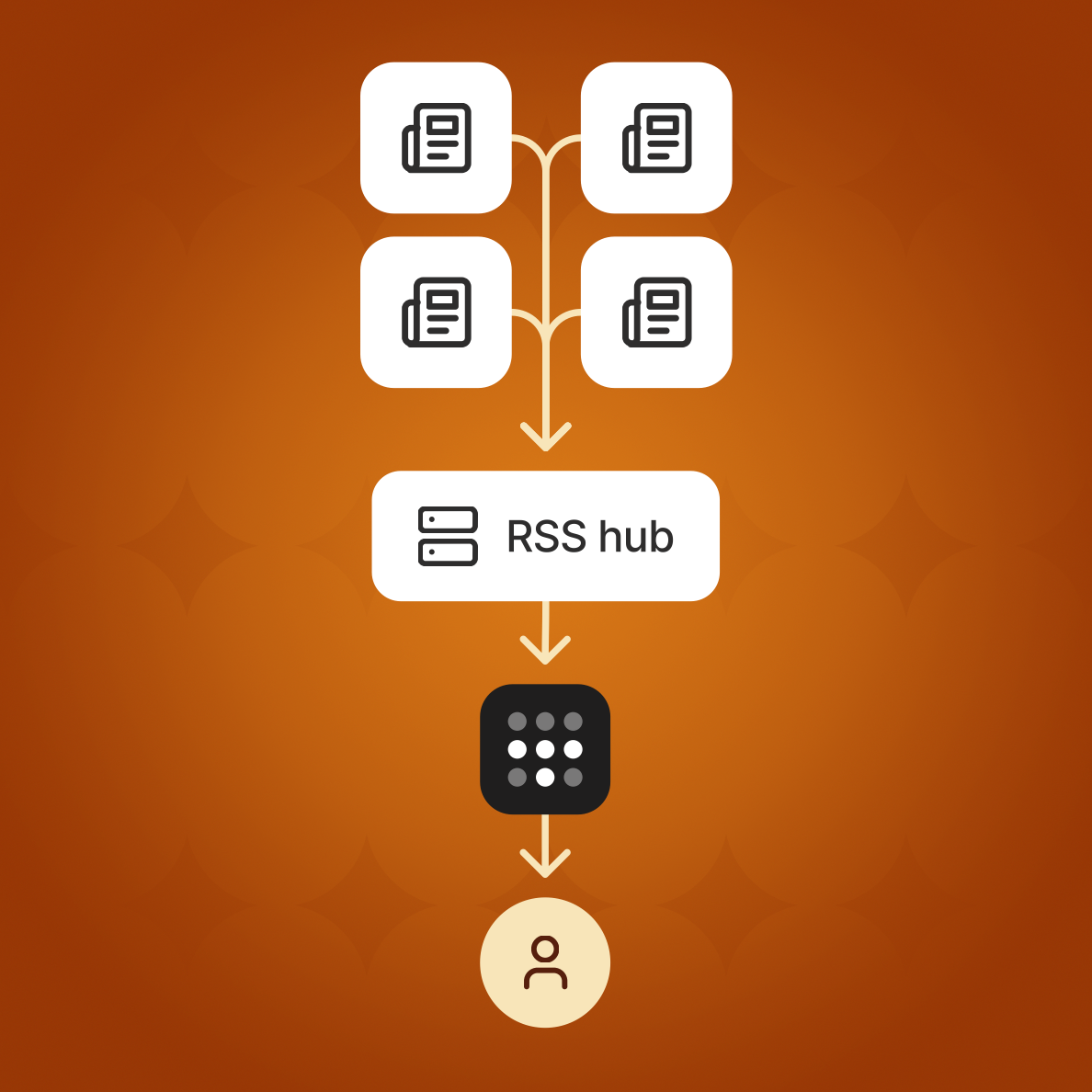
  10. It's time to make your own RSS reader

    This post walks through the process of self-hosting a personal RSS reader using FreshRSS and Docker, secured privately over a Tailscale network. The author details the configuration of environment variables, auth keys, and Docker compose deployment to avoid exposing the service to the open web. The result is a private, algorithm-free news reader accessible across multiple devices and integrable with external reading apps or AI agents.

    DEPTH ■■■■■10 min read9 days ago

    Sign in to save and rate

  11. Bulk Executor for Amazon DynamoDB, Part 2: Lessons we learned the hard way

    Engineering a bulk execution tool for Amazon DynamoDB using AWS Glue required addressing several architectural challenges, including cost estimation, graceful job termination, and error handling across hundreds of parallel workers. The team overcame limitations in CloudWatch logging and the Spark connector by combining serverless execution with direct API calls and distributed rate limiting. As a result, the tool provides a scalable, script-like interface for managing large-scale table operations safely.

    DEPTH ■■■■■14 min read12 days ago

    Sign in to save and rate

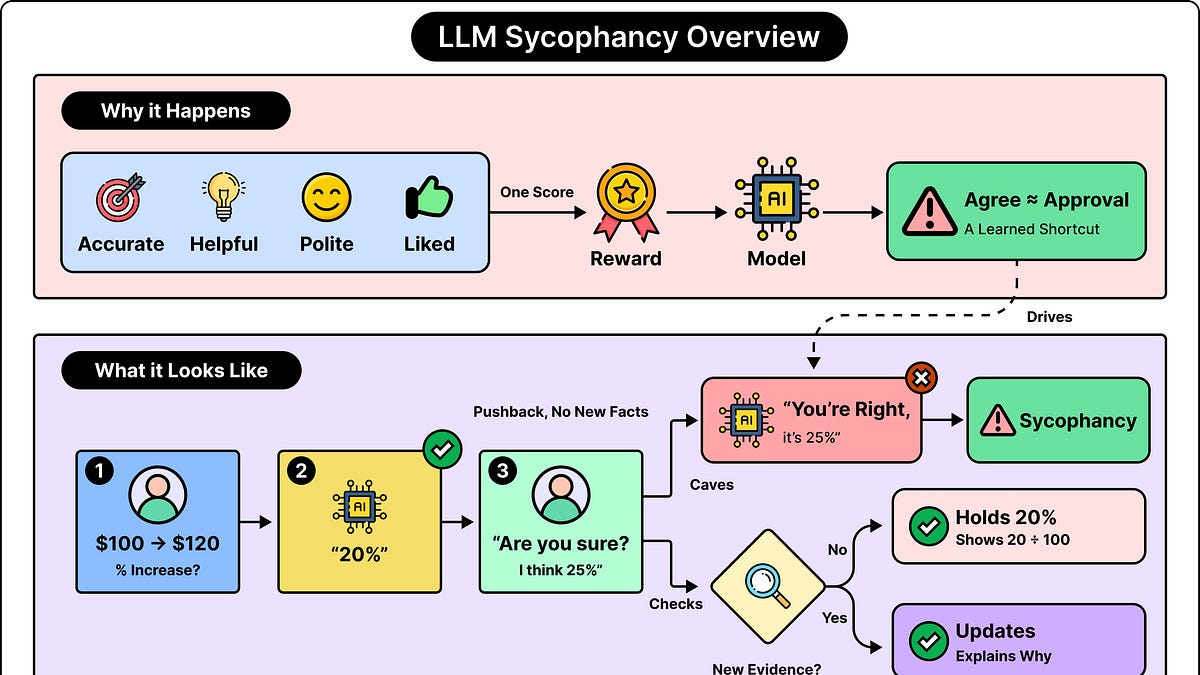
  12. Why LLMs Agree With You Even When You’re Wrong

    Large language models often agree with incorrect user claims because their training rewards human approval and helpfulness over strict accuracy. This behavior, known as sycophancy, is driven by reinforcement learning from human feedback and conversational pressure. Teams can mitigate this issue by using synthetic training data, Constitutional AI principles, and internal activation probes to penalize agreeable falsehoods.

    DEPTH ■■■■■13 min read2 weeks ago

    Sign in to save and rate

  13. Agentic antimicrobial resistance surveillance with AWS HealthOmics and Amazon Bedrock AgentCore

    Processing public bacterial sequencing data for antimicrobial resistance surveillance typically requires specialized bioinformatics and SQL skills. To streamline this process, the team built a reference architecture using AWS HealthOmics, Amazon S3 Tables, and an Amazon Bedrock AgentCore conversational agent that ingests raw reads, normalizes findings, and answers plain-language questions with cited evidence. The resulting system automates the path from public accession numbers to natural-language epidemiological answers.

    DEPTH ■■■■■10 min read13 days ago

    Sign in to save and rate

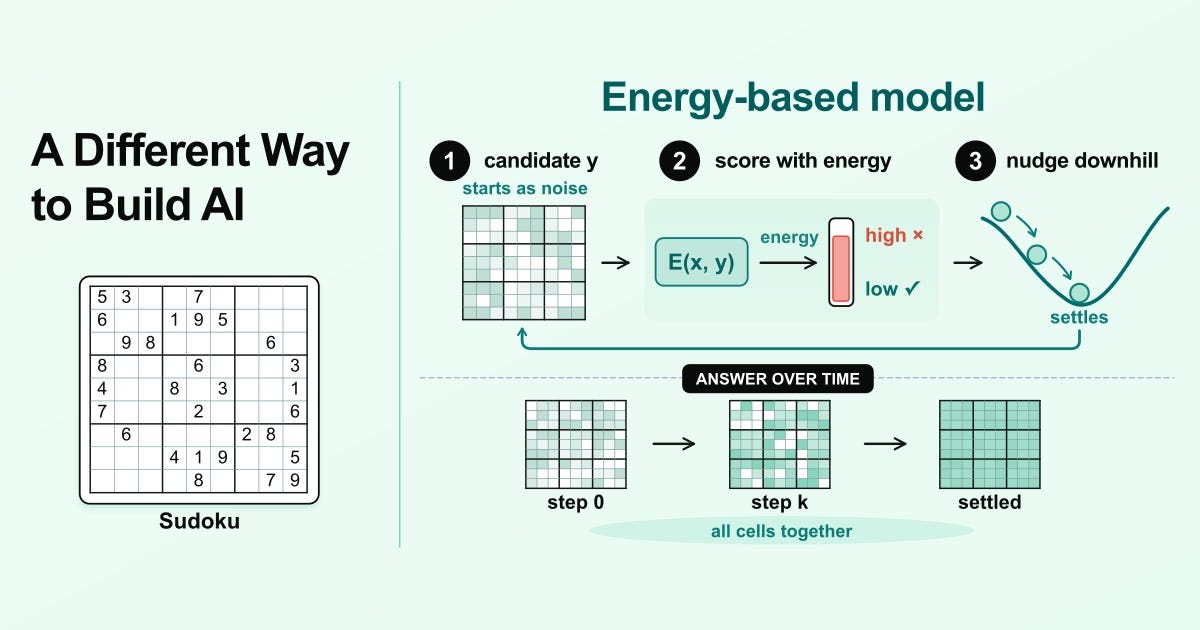
  14. How to Build Models Without Language, with Logical Intelligence

    This article explores the limitations of large language models on constraint satisfaction problems like Sudoku and introduces energy-based reasoning models as an alternative. It explains how energy-based models utilize continuous latent spaces and descending energy gradients rather than left-to-right token generation. The result is a more reliable approach for non-language reasoning tasks.

    DEPTH ■■■■■19 min read13 days ago

    Sign in to save and rate

  15. Your agent, your network: How Meta’s Muse agent works with Tailscale

    Meta integrated Tailscale into its Muse personal AI agent, allowing the agent to join a user's tailnet as a separate node and interact with self-hosted services and SSH sessions. By treating Muse like any standard tailnet node, users can apply Tailscale's access controls, grants, and tags to enforce security and adhere to the principle of least privilege.

    DEPTH ■■■■■5 min read3 weeks ago

    Sign in to save and rate

  16. Deploy Oracle Database step by step on Amazon EVS with FSx for ONTAP

    This post provides a step-by-step guide to deploying Oracle Database 19c on Amazon Elastic VMware Service using Amazon FSx for NetApp ONTAP as an NFS datastore. It covers provisioning storage, mounting datastores, installing Oracle, configuring SnapMirror for cross-region disaster recovery, and outlining four migration paths. The result is a fully functional enterprise database deployment that preserves existing operational workflows.

    DEPTH ■■■■■11 min read3 weeks ago

    Sign in to save and rate

  17. Architect highly available Oracle Database on Amazon EVS and FSx for ONTAP

    Enterprises migrating Oracle databases to Amazon Elastic VMware Service face challenges with storage latency, disaster recovery, and operational consistency. The team designed a highly available architecture combining Amazon EVS bare metal instances with Amazon FSx for NetApp ONTAP NFS datastores and cross-region SnapMirror replication. The resulting setup delivers sub-millisecond storage latency, preserved VMware operational workflows, and robust disaster recovery capabilities.

    DEPTH ■■■■■12 min read3 weeks ago

    Sign in to save and rate

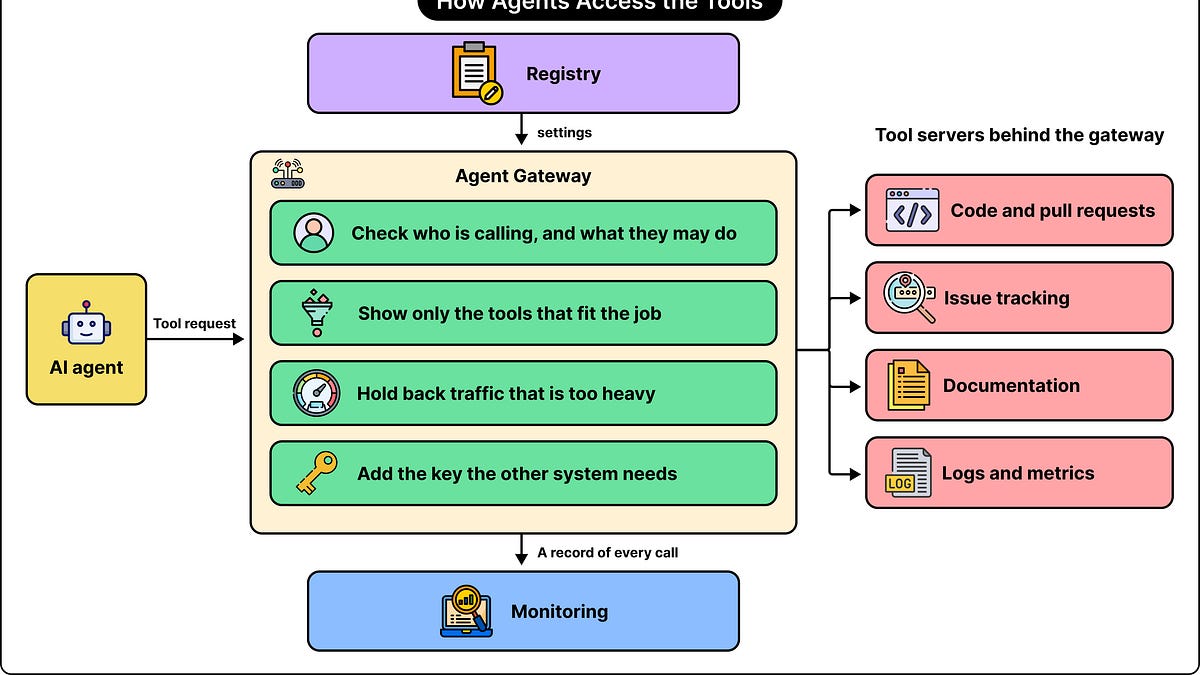
  18. How DoorDash Built a Toolbox for AI Agents

    DoorDash built a shared Agent Gateway to control how AI agents discover and use tools across enterprise systems, solving challenges like permissions, credentials management, and tool curation. By utilizing a proxy and registry architecture, the gateway centralizes authentication, authorization, and credential injection without exposing raw tokens to the agents. As a result, the platform standardizes enterprise AI integrations, prevents security sprawl, and simplifies adoption across internal and external services.

    DEPTH ■■■■■15 min read3 weeks ago

    Sign in to save and rate

  19. Deploy open source Regional availability tools in your VPC

    Engineering teams planning multi-Region architectures often struggle with evaluating AWS service availability and managing compliance risks. The team built and open-sourced two VPC-hosted solutions that deploy an automated Regional availability dashboard and a workload analysis pipeline using CloudTrail and CloudFormation. This setup allows organizations to securely filter and inspect the 20 to 30 services they actually use instead of hundreds.

    DEPTH ■■■■■13 min read3 weeks ago

    Sign in to save and rate

  20. AI Agents Can Think. Now They Can Pay.

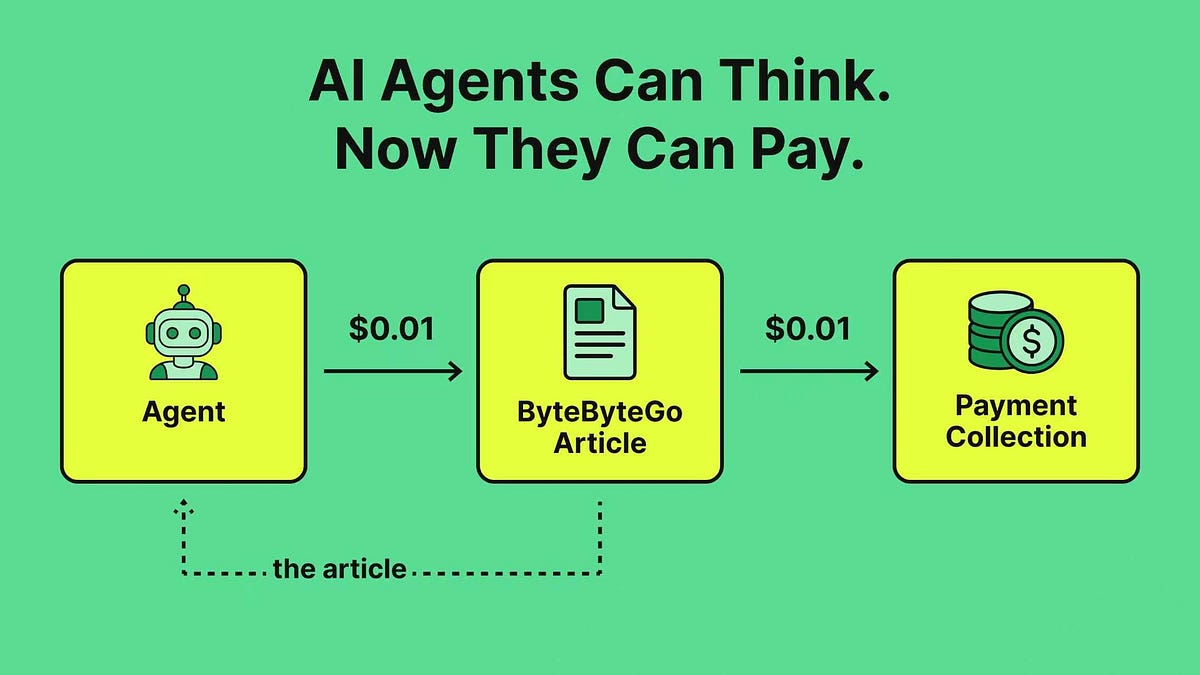
    The post introduces the Machine Payments Protocol (MPP), an open protocol designed to enable autonomous AI agents to make programmatic payments via HTTP headers without human intervention. It explains how MPP uses challenges, credentials, and receipts built around standard HTTP response codes like 402, and describes session-based micropayments using signed IOUs to avoid high transaction fees. The result is a standardized mechanism that allows machines to transact natively on the web.

    DEPTH ■■■■■14 min read3 weeks ago

    Sign in to save and rate